


As a supplier of ABB PLCs, I often get asked by customers about how often they should backup their ABB PLC programs. This is a crucial question because a well - planned backup strategy can save a lot of time, money, and headaches in case of system failures, data corruption, or other unforeseen events.
Understanding the Importance of PLC Program Backups
Before delving into the frequency of backups, it's essential to understand why backing up ABB PLC programs is so important. PLCs (Programmable Logic Controllers) are at the heart of many industrial automation systems. They control and monitor various processes, from simple conveyor belts to complex manufacturing lines. The programs stored in these PLCs contain the logic that drives these processes.
If a PLC program is lost or corrupted, it can lead to production downtime, equipment damage, and even safety hazards. For example, in a chemical processing plant, a malfunctioning PLC program could cause incorrect chemical mixing, leading to dangerous reactions. By having a recent backup, you can quickly restore the program and resume normal operations.
Factors Influencing Backup Frequency
Several factors should be considered when determining how often to backup ABB PLC programs:
1. Program Stability
If the PLC program is relatively stable and rarely changes, you may not need to backup as frequently. For instance, in a simple packaging line where the same process has been running for years without significant modifications, a monthly or quarterly backup might be sufficient. However, if the program is in a state of constant development, such as in a research and development environment where new features are being added regularly, daily or even more frequent backups are necessary.
2. Production Impact
The impact of program loss on production is another crucial factor. In high - volume manufacturing plants where every minute of downtime can result in significant financial losses, more frequent backups are required. For example, an automotive assembly line that produces hundreds of cars per day cannot afford to be down for an extended period. In such cases, backups should be performed at least daily, and in some critical applications, even multiple times a day.
3. Environmental Conditions
The environment in which the PLC operates can also affect the backup frequency. Harsh environments with high levels of dust, moisture, or electrical interference can increase the risk of program corruption. For example, in a mining operation where the PLCs are exposed to dust and vibrations, more frequent backups are advisable. Additionally, if the PLC is located in an area prone to power outages or natural disasters, regular backups are essential to prevent data loss.
4. Regulatory Requirements
In some industries, there are regulatory requirements regarding data backup. For example, in the pharmaceutical industry, strict regulations govern the storage and backup of process control data to ensure product quality and safety. Companies in these industries must adhere to specific backup schedules to remain compliant.
Recommended Backup Frequencies
Based on the above factors, here are some general recommendations for backup frequencies:
1. Daily Backups
- Development and Testing Environments: In a development or testing environment, where the PLC program is constantly being modified, daily backups are a must. This ensures that any changes made during the day are not lost in case of a system crash or other issues.
- High - Risk Production Environments: Industries such as aerospace, semiconductor manufacturing, and oil and gas, where production downtime can have severe consequences, should also perform daily backups. These industries often rely on complex PLC programs to control critical processes, and a recent backup can minimize the impact of program loss.
2. Weekly Backups
- Stable Production Environments: For production environments where the PLC program is relatively stable and changes are infrequent, weekly backups are usually sufficient. This includes industries such as food and beverage processing, where the basic production processes remain the same over long periods.
3. Monthly or Quarterly Backups
- Simple or Static Applications: In applications where the PLC program is very simple and rarely changes, such as in some small - scale automated systems, monthly or quarterly backups may be adequate. For example, a small - scale water treatment plant with a basic control system may only need to backup the program quarterly.
Best Practices for Backup
Regardless of the backup frequency, there are some best practices that should be followed:
1. Use Multiple Storage Locations
It's important to store backups in multiple locations to protect against disasters such as fires, floods, or theft. For example, you can store one backup on a local hard drive and another on an off - site cloud storage service.

2. Verify Backups Regularly
Just having backups is not enough; you need to verify that they are working correctly. Periodically restore the backups to a test PLC to ensure that the program can be successfully recovered.
3. Document Backups
Keep a detailed record of all backups, including the date, time, and version of the program. This documentation can be useful in case of a dispute or when you need to track down a specific version of the program.
Our Product Offerings
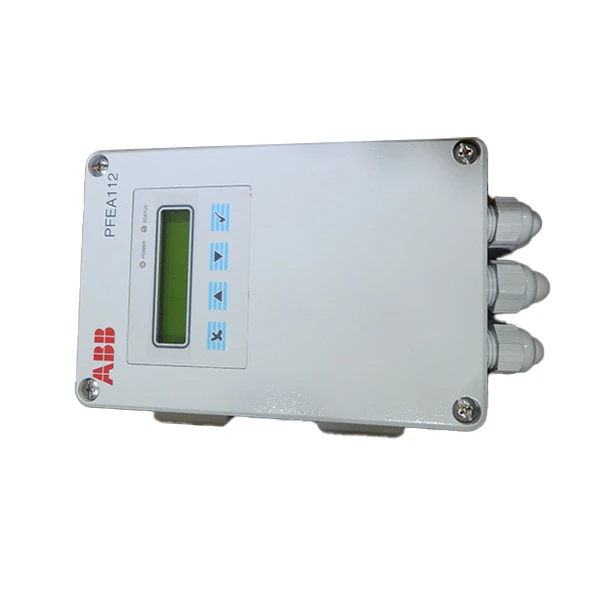
As an ABB PLC supplier, we offer a wide range of high - quality ABB PLC products. For example, we have the Abb 1sbh143001r8822 Contactor Relay, which is a reliable component for controlling electrical circuits in your PLC system. Another product is the ABB PFEA112 - 65 3BSE050091R65, which provides advanced power monitoring capabilities. And the ABB 2TLA020070R4700 PLC is a powerful and versatile PLC suitable for a variety of industrial applications.
Contact Us for Purchase and Consultation
If you are looking to purchase ABB PLC products or need more advice on backup strategies for your ABB PLC programs, we are here to help. Our team of experts can provide you with detailed information about our products and assist you in developing a customized backup plan that meets your specific needs. Whether you are a small - scale manufacturer or a large - scale industrial enterprise, we have the solutions to keep your PLC systems running smoothly.
References
- "Industrial Automation Handbook", John Wiley & Sons
- "PLC Programming for Beginners", Pearson Education
- ABB PLC Technical Documentation


