


Hey there! As a Siemens PLC module supplier, I often get asked about how to pick the right communication module for a Siemens PLC according to network requirements. It's a crucial decision, and I'm here to walk you through the whole process.
First off, let's talk about why choosing the correct communication module matters. Your Siemens PLC is like the brain of an industrial system, and the communication module is how it talks to other devices. Whether it's sending data to a control center, receiving commands from a human - machine interface (HMI), or interacting with other PLCs in a network, the right module ensures smooth and efficient operation.
Understanding Your Network Requirements
The first step is to figure out what your network needs are. You gotta ask yourself a few questions:
What kind of network are you using?
There are different types of industrial networks, such as Ethernet, Profibus, and DeviceNet. Ethernet is super popular because it's fast, reliable, and widely used in both industrial and non - industrial settings. Profibus, on the other hand, is a tried - and - true fieldbus system that's great for connecting multiple devices over short to medium distances. DeviceNet is often used in automation systems for connecting sensors and actuators.
How much data do you need to transfer?
If you're just sending simple on/off signals, you won't need a high - speed communication module. But if you're dealing with large amounts of data, like sensor readings from multiple devices or complex control algorithms, you'll need a module that can handle high - bandwidth data transfer.
What's the distance between your PLC and other devices?
If your devices are close together, you might be able to use a short - range communication protocol. But if they're spread out over a large area, you'll need a module that supports long - distance communication.
Types of Siemens Communication Modules
Siemens offers a wide range of communication modules to meet different network requirements. Here are some of the common ones:
Ethernet Communication Modules
These modules allow your Siemens PLC to connect to an Ethernet network. They're great for integrating your PLC into a larger corporate network or for communicating with other Ethernet - enabled devices. For example, the Siemens 6SE6400 - 1PB00 - 0AA0 Communication Module is designed to provide reliable Ethernet communication for your PLC. It supports standard Ethernet protocols like TCP/IP, which means it can easily communicate with other devices on the network.
Profibus Communication Modules
Profibus is a well - established fieldbus protocol, and Siemens has several modules that support it. These modules are ideal for connecting your PLC to other Profibus - compatible devices, such as sensors, actuators, and other PLCs. They offer fast and reliable data transfer over short to medium distances.
Serial Communication Modules
Serial communication modules are used when you need to connect your PLC to devices that use serial communication protocols, like RS - 232 or RS - 485. These protocols are often used for connecting older devices or for communicating over short distances.
Factors to Consider When Choosing a Communication Module
Now that you know about your network requirements and the types of Siemens communication modules available, let's look at some factors to consider when making your choice:
Compatibility
The most important thing is to make sure the communication module is compatible with your Siemens PLC. Different PLC models support different communication modules, so you need to check the specifications of your PLC before making a purchase. For example, if you have a SIMATIC S7 - 200 PLC, you might want to consider the SIMATIC S7 - 200 EM222 Digital Output Module, which is designed to work specifically with this PLC model.
Performance
You need to consider the performance of the communication module in terms of data transfer speed, bandwidth, and reliability. If you have high - data - rate requirements, you'll need a module with a high - speed interface. Also, look for modules that offer features like error correction and data encryption to ensure reliable communication.
Cost
Cost is always a factor. You don't want to overspend on a communication module, but you also don't want to go for the cheapest option that might not meet your requirements. Compare the prices of different modules and consider the long - term costs, such as maintenance and support.
Ease of Use
Choose a communication module that's easy to install and configure. Some modules come with user - friendly software that makes it simple to set up the communication parameters. This can save you a lot of time and hassle, especially if you're not an experienced technician.
Case Studies
Let's look at a couple of real - world examples to see how these factors play out in practice.
Case 1: A small manufacturing plant
A small manufacturing plant has a few Siemens PLCs that need to communicate with each other and with a central control computer. The devices are located within a relatively small area, and the data transfer requirements are not very high. In this case, a Profibus communication module would be a good choice. It's cost - effective, easy to install, and can handle the data transfer needs of the plant.
Case 2: A large - scale automation system
A large - scale automation system has hundreds of sensors and actuators spread out over a large area. The system needs to transfer large amounts of data in real - time. Here, an Ethernet communication module would be the best option. It offers high - speed data transfer, long - distance communication capabilities, and can be easily integrated into a larger network.
Conclusion
Choosing the right communication module for a Siemens PLC based on network requirements is not a one - size - fits - all decision. You need to understand your network needs, consider the types of available modules, and evaluate factors like compatibility, performance, cost, and ease of use. By taking the time to make the right choice, you can ensure that your Siemens PLC system operates smoothly and efficiently.

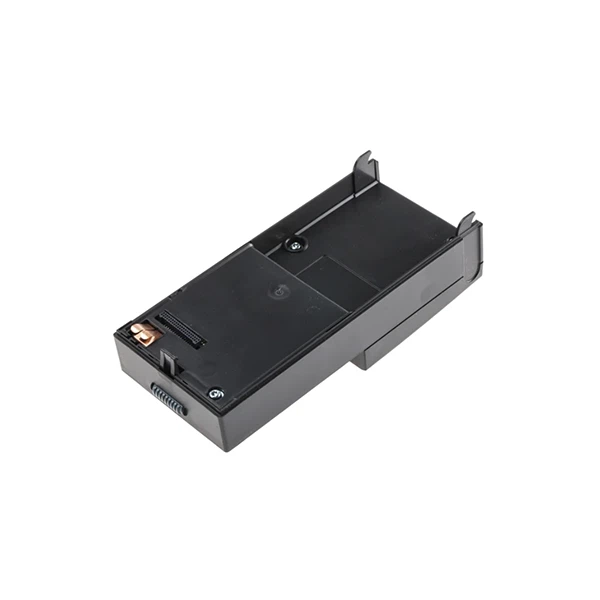
If you're in the market for a Siemens PLC communication module and need some help making the right choice, don't hesitate to reach out. We're here to assist you with all your Siemens PLC module needs, from selection to installation and support. Contact us to start a procurement discussion and get the best solution for your network requirements.
References
- Siemens official documentation on PLC communication modules
- Industrial networking textbooks and articles
- Case studies from Siemens customers in various industries


