


As a Siemens VFD supplier, I've encountered numerous situations where customers face the issue of motor over - heating when using Siemens Variable Frequency Drives (VFDs). This problem can lead to reduced motor lifespan, increased maintenance costs, and even system failures. In this blog, I'll share some effective troubleshooting steps to help you address motor over - heating faults when using Siemens VFDs.
Understanding the Basics of VFD and Motor Interaction
Before diving into troubleshooting, it's essential to understand how a Siemens VFD works with a motor. A VFD controls the speed and torque of an electric motor by varying the frequency and voltage supplied to it. However, improper settings or external factors can cause the motor to overheat.

Common Causes of Motor Over - Heating
- Incorrect VFD Settings
- Frequency and Voltage Mismatch: If the VFD is not configured to provide the correct frequency - voltage ratio for the motor, it can lead to over - current and over - heating. For example, if the VFD is set to supply a higher voltage than the motor can handle at a particular frequency, the motor will draw excessive current, generating more heat.
- Acceleration and Deceleration Time: Too short acceleration or deceleration times can cause the motor to draw high currents, resulting in over - heating. The motor needs sufficient time to ramp up or down its speed to avoid stress on the windings.
- Environmental Factors
- High Ambient Temperature: Motors are designed to operate within a certain temperature range. If the surrounding environment is too hot, the motor will have difficulty dissipating heat, leading to over - heating. For instance, in a poorly ventilated industrial area where the temperature can reach high levels, the motor's cooling efficiency will be significantly reduced.
- Dust and Dirt: Accumulation of dust and dirt on the motor and VFD can insulate the components, preventing proper heat dissipation. This is especially common in industrial settings with high levels of airborne particles.
- Mechanical Issues
- Belt Tension: In belt - driven systems, incorrect belt tension can cause the motor to work harder than necessary, leading to over - heating. If the belt is too tight, it will put extra stress on the motor shaft, increasing the load and heat generation.
- Motor Bearing Problems: Worn - out or damaged bearings can cause increased friction, which generates heat. This can also lead to misalignment of the motor shaft, further exacerbating the problem.
Troubleshooting Steps
- Check VFD Settings
- Review Frequency - Voltage Curve: Ensure that the VFD is configured with the correct frequency - voltage curve for the motor. Refer to the motor's datasheet for the recommended settings. You can access the VFD's parameter settings through its control panel or a programming device.
- Adjust Acceleration and Deceleration Times: Increase the acceleration and deceleration times gradually to reduce the stress on the motor during speed changes. Start with small increments and monitor the motor temperature.
- Inspect the Environment
- Improve Ventilation: If the ambient temperature is high, consider improving the ventilation in the area where the motor and VFD are installed. This can be done by installing fans or air - conditioning units. Make sure that there is enough clearance around the motor and VFD for proper air circulation.
- Clean the Components: Regularly clean the motor and VFD to remove dust and dirt. Use a soft brush or compressed air to clean the external surfaces. For more thorough cleaning, you may need to open the motor and VFD (following proper safety procedures) and clean the internal components.
- Examine Mechanical Components
- Check Belt Tension: Use a belt tension gauge to measure the tension of the belts. Adjust the tension according to the manufacturer's recommendations. If the belts are worn out, replace them with new ones.
- Inspect Motor Bearings: Listen for any abnormal noises coming from the motor bearings. If you suspect bearing problems, use a vibration analyzer to check for excessive vibration. Replace the bearings if necessary.
Specific Troubleshooting for Different Siemens VFD Models
- SINAMICS G120 Frequency Converter
- This model offers advanced diagnostic features. You can use the built - in fault indicators to identify the root cause of the motor over - heating. Check the parameter r0026, which displays the motor temperature. If the temperature is too high, review the other relevant parameters such as the current limit and torque limit settings.
- The SINAMICS G120 also has a cooling fan control function. Make sure that the cooling fan is working properly and that the air intake and exhaust vents are not blocked.
- SINAMICS S210
- For the SINAMICS S210, the drive has a sophisticated motor protection function. Check the motor protection parameters such as the thermal model settings. The thermal model calculates the motor temperature based on the current and other factors. If the calculated temperature is high, review the load profile and the VFD settings.
- The drive also provides real - time monitoring of the motor's electrical and mechanical parameters. Use this feature to detect any abnormal behavior that may be causing the over - heating.
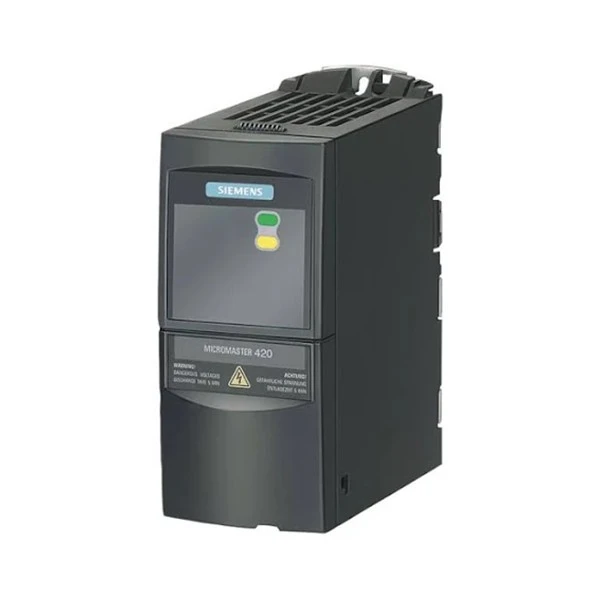
- Siemens 6SE6420 - 2UD17 - 5AA1 Drives
- This drive has a user - friendly control panel. Check the fault history on the control panel to see if there are any previous over - heating events. Review the parameter P0640, which is the motor overload factor. If this value is set too high, it can cause the motor to operate in an over - loaded condition.
- Ensure that the power cables connected to the drive and the motor are properly sized and tightened. Loose or undersized cables can cause voltage drops and increased resistance, leading to over - heating.
Preventive Measures
- Regular Maintenance
- Establish a regular maintenance schedule for the motor and VFD. This includes cleaning, lubricating the bearings, and checking the electrical connections. Regular maintenance can help detect and prevent potential problems before they cause motor over - heating.
- Monitoring and Data Logging
- Use monitoring devices to continuously track the motor's temperature, current, and other parameters. Data logging can help you analyze the motor's performance over time and identify any trends that may indicate a potential problem.
- Training
- Provide training to the operators and maintenance personnel on the proper use and maintenance of the Siemens VFDs and motors. This can help them make informed decisions and take appropriate actions when faced with motor over - heating issues.
Conclusion
Motor over - heating when using Siemens VFDs is a common but solvable problem. By understanding the common causes, following the troubleshooting steps, and implementing preventive measures, you can effectively address this issue and ensure the reliable operation of your motor and VFD system.
If you are experiencing motor over - heating problems or are interested in purchasing Siemens VFDs, we are here to help. Our team of experts can provide you with professional advice and support. Contact us to start a procurement discussion and find the best solutions for your needs.
References
- Siemens VFD User Manuals
- Motor Manufacturer's Datasheets
- Industrial Electrical Engineering Textbooks


