


As a supplier of Siemens PLC modules, understanding the power supply requirements for these modules is crucial. It not only ensures the proper functioning of the PLC systems but also helps in avoiding potential issues that could lead to system failures. In this blog, we will delve into the power supply requirements for Siemens PLC modules, providing you with comprehensive information to make informed decisions when purchasing and using these products.
General Power Supply Concepts for Siemens PLC Modules
Siemens PLC modules are designed to operate within specific power supply ranges. These ranges are carefully determined to ensure the stability and reliability of the modules. The power supply for Siemens PLC modules can be broadly classified into two main types: DC (Direct Current) and AC (Alternating Current) power supplies.
DC Power Supply
Most Siemens PLC modules are designed to operate with a DC power supply. The typical voltage range for DC power supplies used with Siemens PLC modules is 24V DC. This voltage level is widely used in industrial automation applications due to its safety and compatibility with other components in the system.
The 24V DC power supply provides a stable and reliable source of power for the PLC modules. It is important to note that the power supply must be able to provide sufficient current to meet the power requirements of all the connected modules. The current consumption of each module varies depending on its type and function. For example, input/output (I/O) modules may have a lower current consumption compared to communication modules or CPU modules.
When selecting a DC power supply for Siemens PLC modules, it is essential to choose a power supply that has a sufficient power rating. The power rating is usually specified in watts (W) or amperes (A). A power supply with a higher power rating can provide more current, which is necessary to power multiple modules or modules with high power requirements.
AC Power Supply
In some cases, Siemens PLC modules can also be powered by an AC power supply. The typical voltage range for AC power supplies used with Siemens PLC modules is 100 - 240V AC. AC power supplies are often used in applications where a DC power supply is not readily available or where the system requires a more flexible power source.
When using an AC power supply, it is important to ensure that the power supply is properly grounded to prevent electrical shocks and interference. Additionally, the power supply must be able to provide a stable voltage output within the specified range. Fluctuations in the AC voltage can affect the performance of the PLC modules and may lead to system failures.
Power Supply Requirements for Different Types of Siemens PLC Modules
CPU Modules
The CPU (Central Processing Unit) module is the heart of the Siemens PLC system. It is responsible for executing the control programs and managing the communication between different modules. The power supply requirements for CPU modules are relatively high compared to other modules.
Most Siemens CPU modules require a 24V DC power supply. The current consumption of the CPU module depends on its processing power and the number of tasks it is required to perform. For example, a high-performance CPU module may have a higher current consumption compared to a basic CPU module.
It is important to ensure that the power supply for the CPU module is stable and reliable. Any fluctuations in the power supply can cause the CPU module to malfunction, leading to system failures. Therefore, it is recommended to use a high-quality power supply with a sufficient power rating for the CPU module.
I/O Modules
Input/output (I/O) modules are used to interface the PLC system with external devices such as sensors, actuators, and switches. The power supply requirements for I/O modules are relatively low compared to CPU modules.
Most I/O modules require a 24V DC power supply. The current consumption of the I/O module depends on the number of input or output channels and the type of devices connected to them. For example, a digital input module with a large number of input channels may have a higher current consumption compared to a digital output module with a small number of output channels.
When connecting multiple I/O modules to the same power supply, it is important to ensure that the power supply can provide sufficient current to meet the power requirements of all the modules. Overloading the power supply can cause the modules to malfunction or even damage them.

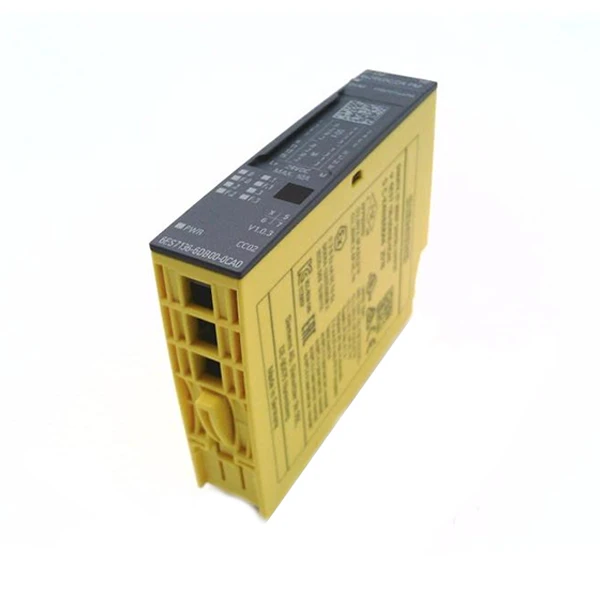
Communication Modules
Communication modules are used to establish communication between the PLC system and other devices such as computers, human-machine interfaces (HMIs), and other PLC systems. The power supply requirements for communication modules vary depending on the type of communication protocol they support.
Most communication modules require a 24V DC power supply. The current consumption of the communication module depends on the data transfer rate and the complexity of the communication protocol. For example, a high-speed Ethernet communication module may have a higher current consumption compared to a serial communication module.
It is important to ensure that the power supply for the communication module is stable and reliable. Any interference or fluctuations in the power supply can affect the communication performance of the module and may lead to communication errors.
Power Supply Considerations for Siemens PLC Modules
Power Supply Compatibility
When selecting a power supply for Siemens PLC modules, it is important to ensure that the power supply is compatible with the modules. Siemens provides detailed specifications and guidelines for the power supply requirements of each module. It is recommended to refer to these specifications when selecting a power supply.
In addition to the voltage and current requirements, the power supply must also be compatible with the electrical characteristics of the modules. For example, the power supply must have a low ripple voltage to ensure the stability of the power supply. High ripple voltage can cause electrical noise and interference, which can affect the performance of the PLC modules.
Power Supply Redundancy
In critical applications where system downtime is not acceptable, it is recommended to use a redundant power supply system. A redundant power supply system consists of two or more power supplies that are connected in parallel. If one power supply fails, the other power supply can continue to provide power to the PLC modules, ensuring the continuous operation of the system.
Siemens offers various power supply redundancy solutions for its PLC modules. These solutions include redundant power supply modules and power supply monitoring devices. By using a redundant power supply system, you can increase the reliability and availability of your PLC system.
Power Supply Protection
To protect the Siemens PLC modules from power supply failures and electrical surges, it is important to use appropriate power supply protection devices. These devices include fuses, circuit breakers, and surge protectors.
Fuses are used to protect the power supply and the PLC modules from overcurrent. If the current exceeds the rated value of the fuse, the fuse will blow, cutting off the power supply and preventing damage to the modules. Circuit breakers are similar to fuses but can be reset after they trip.
Surge protectors are used to protect the PLC modules from electrical surges caused by lightning strikes or other electrical disturbances. Surge protectors can absorb the energy of the surge and prevent it from reaching the PLC modules, protecting them from damage.
Conclusion
Understanding the power supply requirements for Siemens PLC modules is essential for ensuring the proper functioning and reliability of the PLC system. By selecting the right power supply, considering power supply compatibility, redundancy, and protection, you can optimize the performance of your PLC system and minimize the risk of system failures.
As a supplier of Siemens PLC modules, we offer a wide range of power supplies and related products to meet your specific needs. Our products are of high quality and are designed to provide reliable and stable power to your Siemens PLC modules. If you have any questions or need assistance in selecting the right power supply for your Siemens PLC modules, please feel free to [contact us for purchasing and negotiation]. We look forward to serving you.
References
- Siemens AG. (Year). Siemens PLC Module Technical Documentation. Retrieved from [Siemens official website]
- Industrial Automation Handbook. (Year). Power Supply Requirements for PLC Systems. Publisher: [Publisher name]


