


Hey there! I'm a supplier of Schneider PLCs, and today I'm gonna walk you through how to use the energy management functions in Schneider PLCs. Energy management is becoming more and more crucial these days, not only for cost - saving but also for environmental reasons. With Schneider PLCs, you've got some pretty powerful tools at your disposal to manage energy efficiently.
Understanding the Basics of Energy Management in Schneider PLCs
First things first, let's understand what energy management in a Schneider PLC means. In simple terms, it's about monitoring, controlling, and optimizing the energy consumption of your industrial processes. Schneider PLCs are equipped with various sensors and algorithms that can collect data on energy usage, voltage, current, and power factor.
One of the key features of Schneider PLCs is their ability to integrate with different energy - related devices. For example, the BMXAMI0810 Schneider Electric is a great module that can be used for energy measurement. It can accurately measure electrical parameters and send this data to the PLC for further analysis.
Setting Up Energy Monitoring
The first step in using the energy management functions is setting up energy monitoring. You'll need to connect the appropriate sensors to your Schneider PLC. These sensors can measure things like current, voltage, and power. Once the sensors are connected, you can configure the PLC to start collecting data.
In the PLC programming environment, you'll need to create a data block to store the energy - related data. This data block will hold values such as total energy consumption, peak power, and average power. You can also set up alarms in case the energy consumption exceeds a certain threshold. For instance, if your production process usually consumes a certain amount of energy, and suddenly it goes way above that, the PLC can trigger an alarm to let you know.
Analyzing Energy Data
Once you've started collecting energy data, the next step is to analyze it. Schneider PLCs come with built - in functions for data analysis. You can use these functions to generate reports on energy consumption over a specific period. For example, you can see how much energy your factory uses during different shifts or on different days of the week.
You can also use the data to identify energy - intensive processes. Maybe there's a particular machine in your production line that consumes a disproportionate amount of energy. By analyzing the data, you can pinpoint these areas and take steps to optimize them. This could involve adjusting the operating parameters of the machine or even replacing it with a more energy - efficient model.
Controlling Energy Consumption
After analyzing the data, it's time to take action and control energy consumption. Schneider PLCs allow you to implement various control strategies. For example, you can use the PLC to turn off non - essential equipment during periods of low production. If you know that your factory has a slow period in the middle of the day, you can program the PLC to shut down some of the less important machines.
Another control strategy is load shedding. In case of a power shortage or high energy costs, the PLC can automatically reduce the load by shutting down certain equipment. This helps to balance the energy demand and avoid overloading the electrical system.

Using Energy - Saving Modes
Schneider PLCs also offer energy - saving modes. These modes can be programmed to adjust the operating parameters of your equipment to reduce energy consumption without sacrificing performance. For example, you can set up a mode where the motors in your production line run at a lower speed during periods of low demand.
The SCHNEIDER RXM2LB2BD Miniature Relay can be used in conjunction with the PLC to control the power supply to different parts of your system. You can program the PLC to use the relay to turn on or off specific circuits based on the energy management strategy you've implemented.
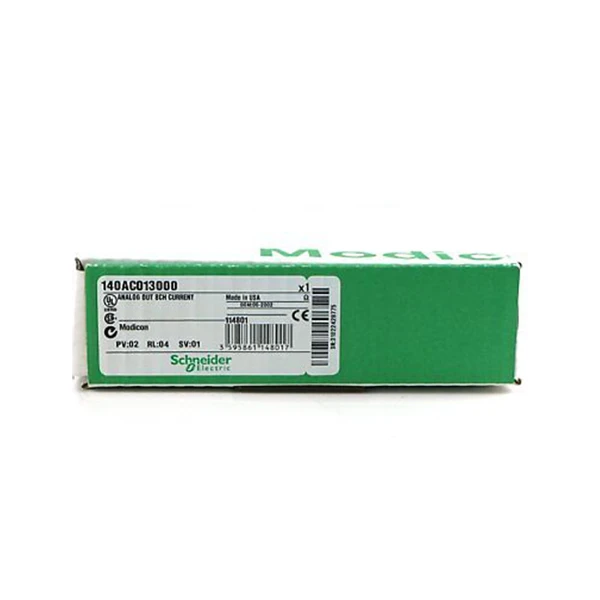
Advanced Energy Management with Schneider 140ACO13000
The Schneider 140ACO13000 is a high - end Schneider PLC that offers even more advanced energy management features. It has a powerful processor and a large memory, which allows it to handle complex energy management algorithms.
With the 140ACO13000, you can implement predictive energy management. This means that the PLC can analyze historical energy data and predict future energy consumption. Based on these predictions, it can adjust the control strategies in advance to optimize energy usage.
Troubleshooting Energy Management Issues
Sometimes, you might run into issues with the energy management functions in your Schneider PLC. One common problem is inaccurate energy measurement. This could be due to faulty sensors or incorrect configuration. If you suspect that the sensors are faulty, you can test them using a multimeter. And if the configuration is wrong, you'll need to go back to the PLC programming environment and double - check your settings.
Another issue could be that the control strategies aren't working as expected. This could be because the PLC isn't receiving the correct data or because the algorithms are incorrect. In this case, you'll need to review the data flow and the programming logic to identify and fix the problem.
Conclusion
Using the energy management functions in Schneider PLCs can bring significant benefits to your industrial operations. It can help you save on energy costs, reduce your environmental impact, and improve the overall efficiency of your production processes. Whether you're using a basic Schneider PLC or a high - end model like the 140ACO13000, there are plenty of tools and features available to help you manage energy effectively.
If you're interested in implementing energy management solutions with Schneider PLCs or have any questions about our products, feel free to reach out for a procurement discussion. We're here to help you make the most of these powerful energy management capabilities.
References
- Schneider Electric official documentation on PLC energy management functions.
- Industrial automation textbooks on energy management in PLC - controlled systems.


