


As a dedicated supplier of Mitsubishi Variable Frequency Drives (VFDs), I've witnessed firsthand the transformative impact that firmware upgrades can have on these remarkable pieces of equipment. In this blog post, I'll delve into the numerous benefits of upgrading the firmware of Mitsubishi VFDs, highlighting how these enhancements can optimize performance, improve efficiency, and provide a competitive edge in various industrial applications.
1. Enhanced Performance and Functionality
One of the primary benefits of upgrading the firmware of Mitsubishi VFDs is the significant improvement in performance and functionality. Newer firmware versions often include advanced control algorithms and features that can enhance the drive's ability to regulate motor speed, torque, and power consumption more precisely. For example, the Mitsubishi FR - A8NCE with an updated firmware may offer improved vector control capabilities, allowing for smoother and more accurate motor operation. This is particularly beneficial in applications where precise speed control is critical, such as in conveyor systems, pumps, and fans.
Moreover, firmware upgrades can introduce new operating modes and functions that expand the versatility of the VFD. These may include energy - saving modes, which optimize the drive's operation to reduce power consumption without sacrificing performance. For instance, the upgraded firmware might implement intelligent algorithms that adjust the motor speed based on the actual load requirements, resulting in substantial energy savings over time.
2. Improved Compatibility and Connectivity
In today's interconnected industrial landscape, compatibility and connectivity are essential for seamless integration with other systems. Firmware upgrades for Mitsubishi VFDs can enhance the drive's compatibility with a wider range of communication protocols and devices. This means that the VFD can be easily integrated into existing automation networks, such as Ethernet/IP, Modbus, or Profibus.
For example, the Mitsubishi Electric FR - E840 - 0120 - 4 - 60 after a firmware upgrade may support additional communication interfaces, enabling it to communicate more effectively with programmable logic controllers (PLCs), human - machine interfaces (HMIs), and other industrial devices. This improved connectivity not only simplifies system integration but also allows for better monitoring and control of the VFD from a central location. It also facilitates remote access, enabling technicians to diagnose and troubleshoot issues without being physically present at the site.
3. Increased Reliability and Stability
Firmware upgrades often include bug fixes and stability improvements. Mitsubishi engineers are constantly working to identify and resolve any issues that may arise in the VFD's operation. By upgrading the firmware, you can ensure that your VFD is running on the latest, most stable version of the software. This reduces the risk of system failures, unexpected shutdowns, and other operational issues that can disrupt production and lead to costly downtime.
For example, an older version of the FR - F840 - 00250 - E2 - 60 Mitsubishi Electric may have had a minor glitch in its over - current protection algorithm. A firmware upgrade can correct this issue, providing more reliable protection for the motor and the drive itself. Additionally, stability improvements can enhance the VFD's resistance to electrical noise and other environmental factors, ensuring consistent performance in challenging industrial environments.
4. Enhanced Safety Features
Safety is a top priority in industrial applications, and Mitsubishi VFDs are designed with a range of safety features. Firmware upgrades can further enhance these safety features, providing an additional layer of protection for operators and equipment. Newer firmware versions may introduce advanced safety functions such as Safe Torque Off (STO), which can quickly and safely disable the motor's torque output in case of an emergency.
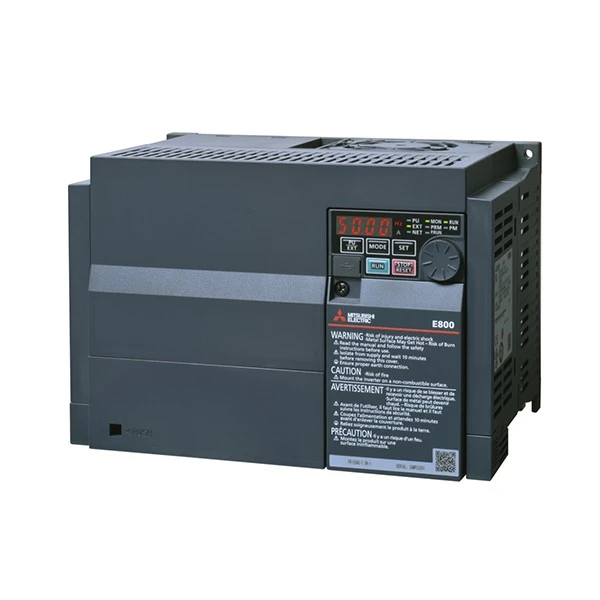

This feature is crucial in applications where there is a risk of injury to operators or damage to equipment. For example, in a robotic assembly line, the STO function can be activated immediately if a worker enters a restricted area, preventing the motor from causing any harm. Firmware upgrades can also improve the accuracy of other safety functions, such as over - temperature protection and short - circuit protection, ensuring that the VFD operates safely under all conditions.
5. Regulatory Compliance
As industry standards and regulations evolve, it is essential for industrial equipment to remain compliant. Firmware upgrades can help Mitsubishi VFDs meet the latest regulatory requirements. For example, new environmental regulations may require equipment to be more energy - efficient. By upgrading the firmware, the VFD can implement energy - saving features that help it meet these requirements.
In addition, safety regulations may be updated to include new requirements for motor control and protection. Firmware upgrades can ensure that the VFD meets these new safety standards, protecting your business from potential legal issues and penalties.
6. Cost - Effectiveness
While there may be a cost associated with firmware upgrades, the long - term benefits far outweigh the initial investment. The energy savings achieved through improved efficiency can result in significant cost reductions over time. For example, a factory that uses multiple VFDs in its production processes can save a substantial amount of money on electricity bills by upgrading the firmware to enable energy - saving modes.
Moreover, the increased reliability and reduced downtime associated with firmware upgrades can also lead to cost savings. Fewer system failures mean less time and money spent on maintenance and repairs. In addition, the improved performance and functionality of the VFD can enhance productivity, leading to increased output and potentially higher revenues.
7. Future - Proofing Your Investment
Technology is constantly evolving, and by upgrading the firmware of your Mitsubishi VFDs, you can future - proof your investment. Newer firmware versions are likely to introduce features and capabilities that will be essential for future industrial applications. For example, as the trend towards Industry 4.0 continues, VFDs will need to be more connected, intelligent, and adaptable.
Firmware upgrades can ensure that your VFDs can keep up with these technological advancements, allowing you to take advantage of new opportunities and stay competitive in the market. By investing in firmware upgrades, you are ensuring that your VFDs will remain relevant and useful for years to come.
Conclusion
In conclusion, upgrading the firmware of Mitsubishi VFDs offers a multitude of benefits, including enhanced performance, improved compatibility, increased reliability, enhanced safety, regulatory compliance, cost - effectiveness, and future - proofing. As a supplier of Mitsubishi VFDs, I highly recommend that our customers consider upgrading the firmware of their drives to unlock these benefits and optimize their industrial operations.
If you are interested in learning more about firmware upgrades for Mitsubishi VFDs or are considering a purchase, I encourage you to reach out for a detailed discussion. Our team of experts is ready to assist you in making the best decision for your specific needs. Whether you have questions about the upgrade process, the benefits for your application, or need advice on which VFD model is right for you, we are here to help.
References
- Mitsubishi Electric Corporation. (20XX). Variable Frequency Drive Product Manuals.
- Industry publications on motor control and automation technologies.
- Regulatory documents related to industrial equipment safety and energy efficiency.


