


As a reliable supplier of ABB PLC products, I've witnessed firsthand the transformative power of integrating machine learning with these industrial workhorses. In this blog post, I'll share practical insights on how to harness the capabilities of machine learning in conjunction with ABB PLCs, unlocking new levels of efficiency, productivity, and predictive maintenance in industrial settings.
Understanding the Basics of ABB PLCs and Machine Learning
Before delving into the integration process, it's essential to have a solid understanding of ABB PLCs and machine learning. ABB PLCs are widely used in industrial automation for controlling and monitoring various processes. They are known for their reliability, flexibility, and scalability, making them a popular choice across different industries.
On the other hand, machine learning is a subset of artificial intelligence that enables systems to learn from data, identify patterns, and make predictions without being explicitly programmed. By leveraging machine learning algorithms, we can analyze large volumes of data generated by ABB PLCs and extract valuable insights to optimize industrial processes.
Data Collection and Preprocessing
The first step in using machine learning with ABB PLCs is to collect relevant data. ABB PLCs are equipped with sensors and communication interfaces that allow them to gather data from various sources, such as temperature sensors, pressure sensors, and flow meters. This data can be used to monitor the performance of industrial equipment, detect anomalies, and predict potential failures.
Once the data is collected, it needs to be preprocessed to ensure its quality and suitability for machine learning algorithms. This involves cleaning the data, handling missing values, and normalizing the data to a common scale. Additionally, the data may need to be labeled or categorized to facilitate supervised learning algorithms.
Selecting the Right Machine Learning Algorithm
There are several machine learning algorithms available, each with its own strengths and weaknesses. The choice of algorithm depends on the specific problem we want to solve and the nature of the data. Some common machine learning algorithms used in industrial applications include:

- Regression algorithms: These algorithms are used to predict a continuous output variable, such as temperature, pressure, or flow rate. Linear regression, decision trees, and neural networks are examples of regression algorithms.
- Classification algorithms: These algorithms are used to classify data into different categories, such as normal or abnormal operating conditions. Logistic regression, support vector machines, and random forests are examples of classification algorithms.
- Clustering algorithms: These algorithms are used to group similar data points together based on their characteristics. K-means clustering, hierarchical clustering, and DBSCAN are examples of clustering algorithms.
Integrating Machine Learning with ABB PLCs
Once the data is preprocessed and the appropriate machine learning algorithm is selected, the next step is to integrate the machine learning model with the ABB PLC. This can be achieved through various methods, such as:
- Edge computing: In edge computing, the machine learning model is deployed directly on the ABB PLC or a nearby edge device. This allows for real-time data processing and decision-making, reducing latency and improving system responsiveness.
- Cloud computing: In cloud computing, the machine learning model is hosted on a cloud server, and the ABB PLC sends data to the cloud for processing. This approach is suitable for applications that require large amounts of data storage and processing power.
- Hybrid approach: A hybrid approach combines the advantages of edge computing and cloud computing. The ABB PLC performs some initial data processing on the edge device, and then sends the processed data to the cloud for further analysis and model training.
Real-World Applications
The integration of machine learning with ABB PLCs has numerous real-world applications across different industries. Some examples include:
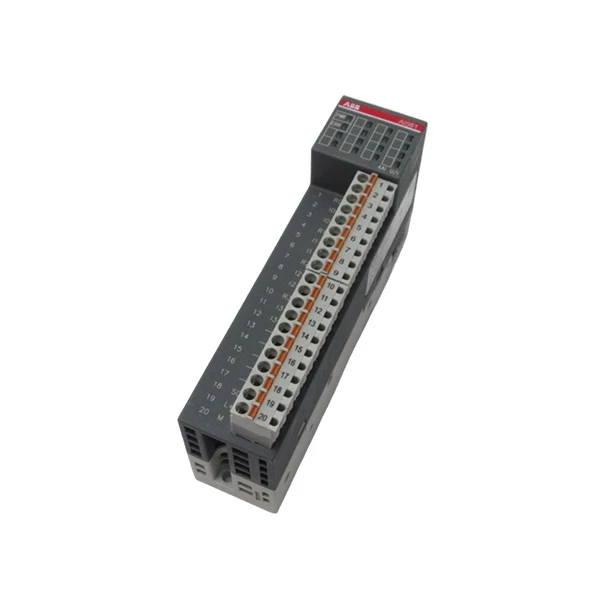
- Predictive maintenance: By analyzing historical data and real-time sensor readings, machine learning algorithms can predict when industrial equipment is likely to fail. This allows for proactive maintenance, reducing downtime and maintenance costs. For example, using machine learning with an 1TNE968902R1101 ABB - AI561 module, we can monitor the performance of a motor and predict potential failures before they occur.
- Process optimization: Machine learning algorithms can analyze process data to identify opportunities for optimization, such as reducing energy consumption, improving product quality, and increasing production efficiency. For instance, an ABB PFEA112-65 3BSE050091R65 power monitoring module can provide data that can be used by machine learning models to optimize the energy consumption of an industrial process.
- Quality control: Machine learning can be used to detect defects and anomalies in products during the manufacturing process. By analyzing images, sensor data, and other relevant information, machine learning algorithms can identify products that do not meet the required quality standards. An ABB CI501-PNIO 1SAP220600R0001 communication module can be used to transmit data from sensors to the machine learning system for quality control purposes.
Challenges and Considerations
While the integration of machine learning with ABB PLCs offers significant benefits, there are also some challenges and considerations to keep in mind:
- Data security: Industrial data is often sensitive and confidential, and protecting it from unauthorized access and cyberattacks is crucial. When integrating machine learning with ABB PLCs, it's important to implement appropriate security measures, such as encryption, access control, and intrusion detection.
- Model interpretability: Machine learning models can be complex and difficult to interpret, especially in high-stakes industrial applications. It's important to choose interpretable models or develop methods to explain the decisions made by the models.
- Scalability: As the volume of data and the complexity of industrial processes increase, the machine learning system needs to be scalable to handle the growing demands. This may require the use of distributed computing, parallel processing, and cloud-based solutions.
Conclusion
Integrating machine learning with ABB PLCs is a powerful approach that can revolutionize industrial automation. By leveraging the capabilities of machine learning algorithms, we can analyze large volumes of data generated by ABB PLCs and extract valuable insights to optimize industrial processes, improve productivity, and reduce costs.
If you're interested in exploring the possibilities of using machine learning with ABB PLCs for your industrial applications, I encourage you to contact us for a consultation. Our team of experts can help you assess your needs, develop a customized solution, and guide you through the implementation process.
References
- [ABB PLC Product Catalog](ABB's official product documentation)
- [Machine Learning for Industrial Applications: A Review](Journal of Industrial and Production Engineering)
- [Edge Computing in Industrial Internet of Things: A Survey](IEEE Internet of Things Journal)


