


As a reliable Siemens PLC supplier, I am frequently asked about the intricacies of using a filling machine control system with Siemens PLCs. In this blog post, I'll share in - depth knowledge and practical steps on how to achieve seamless control of filling machines using Siemens PLCs.
Understanding the Basics of Filling Machine Control
Filling machines are widely used in various industries such as food and beverage, pharmaceuticals, and cosmetics. The primary goal of a filling machine control system is to accurately dispense a specific volume or weight of a product into containers. This requires precise control over the filling process, including starting and stopping the filling operation, controlling the flow rate, and ensuring proper container handling.
Selecting the Right Siemens PLC for Filling Machine Control
Siemens offers a wide range of PLCs, each with different features and capabilities. When choosing a PLC for filling machine control, several factors need to be considered, such as the complexity of the filling process, the number of inputs and outputs required, and the communication interfaces needed.
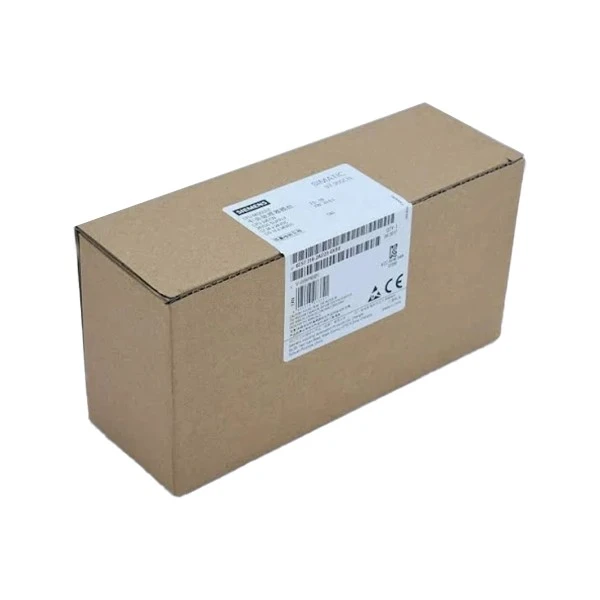
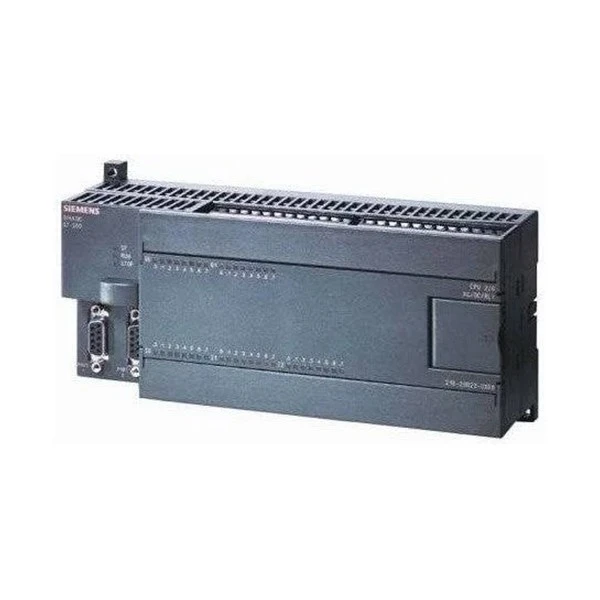
- SIMATIC S7 - 200 SMART CPU CR40 AC/DC: This PLC is a great option for small - to medium - sized filling machines. It has a compact design and offers a good balance between performance and cost. With its integrated power supply and built - in communication interfaces, it can easily be integrated into a filling machine control system. You can find more information about it here.
- 6ES7216 - 2AD23 - 0XB8 Siemens CPU: For more complex filling machine applications that require high - speed processing and a large number of I/Os, the 6ES7216 - 2AD23 - 0XB8 Siemens CPU is a suitable choice. It offers advanced programming capabilities and can handle multiple tasks simultaneously. Check out its details here.
- S7 - 1200 CPU 1214C DC/DC/DC: This PLC is known for its flexibility and ease of use. It has a modular design, which allows for easy expansion as the filling machine requirements change. It also supports various communication protocols, making it ideal for integrating with other devices in the production line. Learn more about it here.
Steps to Use Siemens PLC for Filling Machine Control
1. System Design and Planning
- Define the requirements: Clearly define the filling process requirements, such as the filling volume, filling speed, and the type of containers to be filled. This will help in determining the appropriate PLC and the necessary I/O modules.
- Create a process flow diagram: Draw a detailed process flow diagram that shows the sequence of operations in the filling process. This will serve as a blueprint for programming the PLC.
2. Hardware Installation
- Mount the PLC: Install the selected Siemens PLC in a suitable location, preferably in a control cabinet away from sources of interference.
- Connect the I/O modules: Connect the input and output modules to the PLC according to the wiring diagram. Inputs may include sensors for detecting container presence, filling level, etc., while outputs are used to control valves, pumps, and other actuators.
- Power up the system: Ensure that all the hardware components are properly powered and functioning.
3. Software Configuration and Programming
- Install the programming software: Install the appropriate Siemens programming software, such as TIA Portal for S7 - 1200 or STEP 7 - Micro/WIN for S7 - 200 SMART.
- Configure the PLC: Use the programming software to configure the PLC, including setting up the communication interfaces, defining the I/O addresses, and setting the operating parameters.
- Write the control program: Based on the process flow diagram, write the control program using ladder logic, structured text, or other programming languages supported by the PLC. The program should include logic for starting and stopping the filling process, controlling the flow rate, and handling any error conditions.
4. Testing and Debugging
- Perform a dry run: Before filling actual products, perform a dry run of the filling machine with the control system. This will help in identifying and fixing any programming errors or hardware issues.
- Monitor the system: Use the programming software to monitor the input and output signals, as well as the internal variables of the PLC. This will allow you to verify the proper functioning of the control program.
- Make adjustments: Based on the test results, make any necessary adjustments to the control program or the hardware settings.
5. Commissioning and Optimization
- Start production: Once the system has been successfully tested, start the production process. Continuously monitor the filling machine performance and make any fine - tuning adjustments to the control program to optimize the filling accuracy and efficiency.
Troubleshooting Common Issues
Even with proper installation and programming, issues may arise during the operation of the filling machine control system. Here are some common problems and their possible solutions:
- Sensor failures: If a sensor is not working properly, check the wiring connections, the power supply to the sensor, and the sensor itself. Replace the sensor if necessary.
- Actuator problems: If a valve or a pump is not responding, check the output signal from the PLC, the wiring connections, and the actuator's power supply. Also, check for any mechanical issues with the actuator.
- Communication errors: If there are communication problems between the PLC and other devices, check the communication settings, the network cables, and the communication modules.
Conclusion
Using a Siemens PLC for filling machine control offers numerous benefits, including high reliability, precise control, and easy integration with other systems. By following the steps outlined in this blog post, you can successfully implement a filling machine control system using Siemens PLCs.
If you are interested in purchasing Siemens PLCs for your filling machine control needs or have any questions about the implementation process, feel free to reach out to us. We are here to assist you in finding the best solution for your specific requirements.
References
- Siemens PLC Technical Manuals
- Industry - standard guidelines for filling machine control systems


