


In the dynamic landscape of modern manufacturing, the integration of Programmable Logic Controllers (PLCs) with Manufacturing Execution Systems (MES) has emerged as a pivotal strategy for enhancing operational efficiency, productivity, and overall competitiveness. As a trusted supplier of Omron PLC modules, I've witnessed firsthand the transformative impact this integration can have on manufacturing processes. In this blog, I'll delve into the numerous advantages of integrating Omron PLC modules with MES systems, exploring how this synergy can revolutionize your manufacturing operations.
Real - time Data Acquisition and Monitoring
One of the primary benefits of integrating Omron PLC modules with MES systems is the ability to acquire and monitor real - time data from the production floor. Omron PLCs, such as the Omron CP2E - N30DR - A, are equipped with advanced sensors and communication capabilities that can collect a wide range of data, including machine status, production rates, and quality metrics. This data is then transmitted to the MES system, which provides a centralized platform for monitoring and analysis.
With real - time data at their fingertips, manufacturers can make informed decisions quickly. For example, if a machine is experiencing a slowdown or a quality issue, the MES system can alert operators immediately, allowing them to take corrective action before the problem escalates. This proactive approach to problem - solving can significantly reduce downtime and improve product quality.
Improved Production Planning and Scheduling
Integrating Omron PLC modules with MES systems also enables more accurate production planning and scheduling. The MES system can use the real - time data collected from the PLCs to create detailed production schedules based on actual machine availability, capacity, and workload. This ensures that production orders are processed in the most efficient manner possible, minimizing idle time and maximizing throughput.
Moreover, the MES system can adjust production schedules in real - time in response to changes in demand or unforeseen events. For instance, if an order needs to be expedited, the MES system can re - prioritize tasks and allocate resources accordingly, ensuring that the order is completed on time. This flexibility in production planning and scheduling allows manufacturers to respond quickly to market changes and meet customer demands more effectively.
Enhanced Quality Control
Quality control is a critical aspect of manufacturing, and the integration of Omron PLC modules with MES systems can significantly enhance this process. Omron PLCs, like the Omron CP1W - CIF01 RS232 Module, can be programmed to perform in - line quality checks at various stages of the production process. These checks can include measurements, inspections, and tests to ensure that products meet the required quality standards.
The data collected from these quality checks is then sent to the MES system, which can analyze the data to identify trends and patterns. If a particular machine or process is consistently producing defective products, the MES system can flag the issue and recommend corrective actions, such as adjusting machine settings or replacing worn - out parts. By implementing these corrective actions, manufacturers can improve product quality and reduce the number of defective products, leading to higher customer satisfaction and lower costs associated with rework and returns.
Streamlined Inventory Management
Another advantage of integrating Omron PLC modules with MES systems is streamlined inventory management. The MES system can use the real - time data from the PLCs to track inventory levels accurately. For example, it can monitor the usage of raw materials and components on the production floor and automatically generate purchase orders when inventory levels reach a certain threshold.
This real - time inventory tracking helps manufacturers avoid overstocking or understocking, which can lead to increased costs or production delays. Additionally, the MES system can provide visibility into the location and status of inventory items, making it easier to manage and optimize inventory storage and retrieval processes.

Increased Equipment Utilization
Omron PLC modules integrated with MES systems can also help increase equipment utilization. The MES system can analyze the data collected from the PLCs to identify bottlenecks and inefficiencies in the production process. For example, it can determine if a particular machine is underutilized or if there are unnecessary delays between production steps.
Based on this analysis, manufacturers can take steps to optimize equipment utilization. This may involve adjusting machine settings, re - arranging production layouts, or implementing preventive maintenance schedules. By increasing equipment utilization, manufacturers can get more output from their existing equipment, reducing the need for costly capital investments.
Better Traceability and Compliance
In today's manufacturing environment, traceability and compliance are crucial. Integrating Omron PLC modules with MES systems provides comprehensive traceability throughout the production process. The MES system can track the movement of raw materials, components, and finished products from the moment they enter the factory to the point of delivery. This includes recording information such as batch numbers, production dates, and quality control results.
This level of traceability is not only important for quality control but also for regulatory compliance. Many industries, such as food and pharmaceuticals, are subject to strict regulations regarding product traceability. By having a detailed record of the production process, manufacturers can easily demonstrate compliance with these regulations, avoiding costly fines and legal issues.
Cost Savings
Overall, the integration of Omron PLC modules with MES systems can lead to significant cost savings. By reducing downtime, improving product quality, streamlining inventory management, and increasing equipment utilization, manufacturers can lower their production costs. Additionally, the ability to make informed decisions based on real - time data can help optimize resource allocation and reduce waste.
For example, by using the MES system to schedule preventive maintenance, manufacturers can avoid costly breakdowns and extend the lifespan of their equipment. Similarly, by improving quality control, they can reduce the costs associated with rework and returns. These cost savings can have a substantial impact on the bottom line, making the integration of Omron PLC modules with MES systems a wise investment for manufacturers.
Conclusion
The integration of Omron PLC modules with MES systems offers a multitude of advantages for modern manufacturers. From real - time data acquisition and improved production planning to enhanced quality control and cost savings, this synergy can transform manufacturing operations and drive business success.
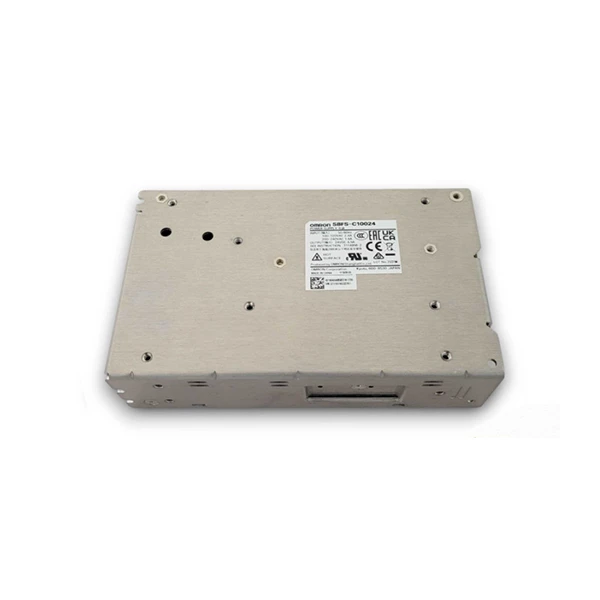
If you're interested in exploring how the integration of Omron PLC modules with MES systems can benefit your manufacturing process, I encourage you to reach out to me. As a supplier of high - quality Omron PLC modules, including the Omron S8FS - C10024, I can provide you with the expertise and support you need to implement this integration successfully. Let's work together to take your manufacturing operations to the next level.
References
- "Manufacturing Execution Systems: The Foundation for Smart Manufacturing" by David B. Weiss.
- "Programmable Logic Controllers: Principles and Applications" by Thomas J. Gerrard.
- Omron Corporation official product documentation.


