


As a supplier of ABB PLC modules, I've witnessed firsthand the transformative impact these advanced components have on various industries. Among them, the textile industry stands out as a sector that has greatly benefited from the integration of ABB PLC modules. In this blog, I'll explore some of the key application cases of ABB PLC modules in the textile industry, highlighting their significance and the value they bring to textile manufacturing processes.

1. Spinning Process Automation
The spinning process is a fundamental stage in textile production, where raw fibers are transformed into yarn. ABB PLC modules play a crucial role in automating and optimizing this process. For instance, the AI845 ABB Analog Input Module can be used to monitor and control various parameters such as temperature, humidity, and fiber tension. By accurately measuring these analog signals, the PLC can adjust the spinning machinery in real - time to ensure consistent yarn quality.
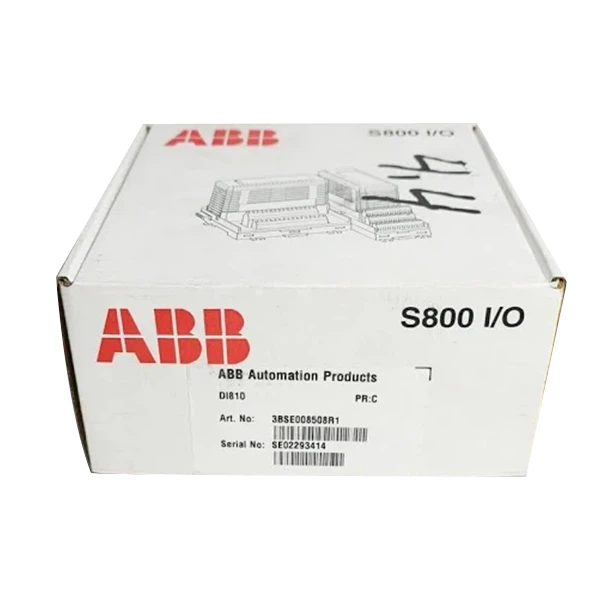
In addition, the ABB DI810 3BSE008508R1 digital input module is used to detect the status of different sensors on the spinning equipment. This includes sensors for detecting the presence of fibers, the rotation speed of spindles, and the position of various mechanical components. The PLC can then use this information to make decisions, such as starting or stopping specific parts of the machine, or alerting operators in case of any malfunctions.
The use of ABB PLC modules in the spinning process improves production efficiency, reduces waste, and enhances the quality of the yarn produced. This not only saves costs for textile manufacturers but also allows them to meet the high - quality standards of the market.
2. Weaving Machine Control
Weaving is another critical process in textile production, where yarns are interlaced to form fabric. ABB PLC modules are extensively used in modern weaving machines to control their complex operations. The ABB 1SAP231300R0000 Digital Output Module can be employed to control the movement of the weaving shuttle, the opening and closing of the warp shed, and the beating - up mechanism.
The PLC can precisely coordinate these movements based on pre - programmed patterns, ensuring that the fabric is woven with the correct design and density. Moreover, by using the ABB RPBA - 01 ProfiBus - DP Adapter, the PLC can communicate with other devices on the factory floor, such as sensors and actuators, in a seamless and efficient manner. This enables real - time monitoring and adjustment of the weaving process, reducing the occurrence of defects and improving the overall productivity of the weaving operation.
3. Dyeing and Finishing Operations
Dyeing and finishing are the processes that give textiles their color and desired surface properties. ABB PLC modules are essential in automating these operations to ensure accurate color matching and consistent finishing quality. The AI845 analog input module can be used to measure parameters such as dye concentration, temperature, and pH value in the dyeing baths. The PLC can then adjust the flow rate of dyes, the heating and cooling systems, and the addition of chemicals to maintain the optimal conditions for dyeing.
In the finishing process, the ABB DX571 1TNE968902R2302 module can be used to control the application of finishing agents, such as softeners and water - repellents. The PLC can precisely control the amount and distribution of these agents, ensuring uniform treatment across the textile surface. This results in high - quality finished products that meet the specific requirements of customers.
4. Quality Control and Inspection
Quality control is of utmost importance in the textile industry. ABB PLC modules are used in quality control systems to monitor and inspect the textile products at various stages of production. Digital input and output modules are connected to sensors and cameras that can detect defects such as holes, stains, and uneven weaving patterns. The PLC can analyze the data from these sensors and cameras in real - time. If a defect is detected, the PLC can trigger an alarm, mark the defective area, or even stop the production line to prevent further defective products from being produced.
This proactive approach to quality control helps textile manufacturers to improve their product quality, reduce customer complaints, and enhance their reputation in the market. It also allows for better control of production costs by minimizing the amount of waste and rework.
5. Material Handling and Logistics
In a modern textile factory, efficient material handling and logistics are essential for smooth production operations. ABB PLC modules are used to control conveyor belts, automated guided vehicles (AGVs), and warehouse management systems. Digital output modules can be used to start and stop the conveyor belts, control the loading and unloading of materials, and direct the movement of AGVs.
The PLC can receive input from sensors such as proximity sensors and barcode scanners to ensure that materials are transported accurately and in a timely manner. This integration of ABB PLC modules in material handling and logistics systems improves the overall efficiency of the factory, reduces labor costs, and minimizes the risk of material damage during transportation.
Conclusion and Call to Action
In conclusion, the application of ABB PLC modules in the textile industry has revolutionized the way textile products are manufactured. From the spinning process to the final quality control and material handling, these modules offer precise control, real - time monitoring, and seamless communication, which are essential for improving production efficiency, product quality, and cost - effectiveness.
If you are a textile manufacturer looking to upgrade your production processes or a business involved in the textile supply chain, I encourage you to consider the benefits of ABB PLC modules. Our team of experts is ready to assist you in selecting the right modules for your specific needs and providing comprehensive technical support. Contact us today to start a discussion about how ABB PLC modules can transform your textile operations.
References
- "Automation in the Textile Industry: An Overview," International Textile Journal.
- "PLC - based Control Systems in Manufacturing Processes," Journal of Industrial Automation.
- Technical manuals and brochures of ABB PLC modules provided by ABB.


