


As a reliable supplier of ABB Variable Frequency Drives (VFDs), I've witnessed firsthand the transformative impact these drives have on the textile industry. ABB VFDs are engineered to offer unparalleled control functions, which are crucial for the efficient operation of textile machines. In this blog, I'll delve into the key characteristics of the textile machine control function in ABB VFDs.
Precise Speed Control
One of the most significant characteristics of ABB VFDs in textile machine control is their ability to provide precise speed control. In the textile industry, different processes such as spinning, weaving, and knitting require specific and accurate speeds. ABB VFDs can maintain a stable speed within a very narrow tolerance range, regardless of changes in load or external factors.
For example, in a spinning machine, the speed of the spindle must be precisely controlled to ensure the quality of the yarn. ABB VFDs use advanced control algorithms to adjust the frequency and voltage supplied to the motor, enabling it to run at the exact speed required. This precision not only improves the quality of the textile products but also reduces the risk of machine breakdowns caused by speed variations.
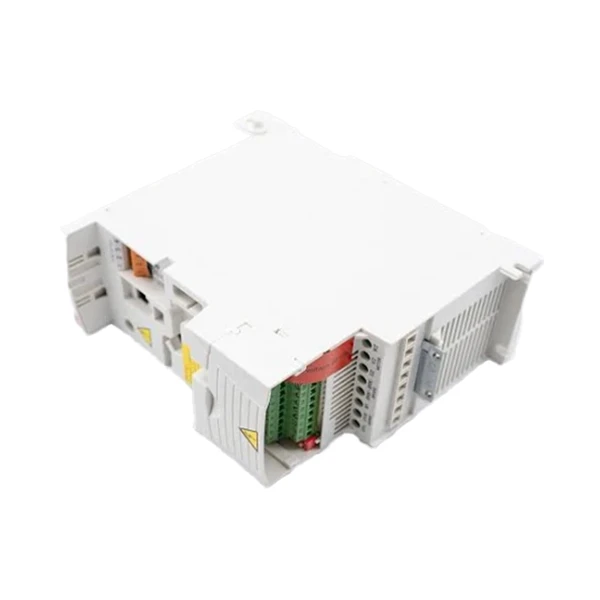
The ACS350 - 03E - 01A9 - 4 ABB is a prime example of an ABB VFD that offers excellent speed control capabilities. It is designed with a high - resolution encoder interface, which allows for accurate speed feedback and adjustment. This drive can handle a wide range of motor types and power ratings, making it suitable for various textile applications.
Torque Control
In addition to speed control, torque control is another essential aspect of textile machine operation. Textile machines often need to overcome significant mechanical resistance during processes such as starting, stopping, and changing the direction of rotation. ABB VFDs are equipped with sophisticated torque control algorithms that can provide the necessary torque at different operating conditions.
During the weaving process, for instance, the loom needs to exert a certain amount of torque to pull the warp and weft threads through the reed. ABB VFDs can accurately control the torque output of the motor, ensuring smooth and efficient operation. This is particularly important when dealing with delicate or high - strength fibers, as excessive torque can damage the threads, while insufficient torque can lead to incomplete weaving.
The ABB ACS355 - 03E - 08A8 - 4 Inverter Drive is known for its excellent torque control performance. It can quickly respond to changes in load and adjust the torque output accordingly. This drive also offers a wide range of torque - related parameters that can be customized to meet the specific requirements of different textile machines.
Multi - Axis Synchronization
Many textile machines consist of multiple axes that need to work in synchronization. For example, in a circular knitting machine, the needles, yarn feeders, and take - down rollers all need to move in a coordinated manner to produce the desired knitting pattern. ABB VFDs support multi - axis synchronization, allowing multiple drives to communicate and operate together seamlessly.
ABB's communication protocols, such as Modbus, Profibus, and CANopen, enable the drives to exchange data and synchronize their operations. This ensures that all axes of the textile machine move at the right time and with the right speed, resulting in high - quality and consistent textile products.
The ABB ACS355 - 03E - 01A9 - 4 drive can be easily integrated into a multi - axis system. Its flexible control functions and communication interfaces make it possible to create a synchronized network of drives, which is essential for complex textile manufacturing processes.

Energy Efficiency
Energy consumption is a major concern in the textile industry. ABB VFDs are designed to optimize energy usage in textile machines. By adjusting the motor speed according to the actual load requirements, these drives can significantly reduce energy waste.
When a textile machine is operating at a lower load, the VFD can reduce the motor speed, which in turn reduces the power consumption. ABB VFDs also use regenerative braking technology, which can convert the energy generated during braking into electrical energy and feed it back to the power grid. This not only saves energy but also reduces the heat generated in the braking resistors, extending the lifespan of the machine components.
Easy Programming and Configuration
ABB VFDs are user - friendly and easy to program and configure. They come with intuitive interfaces, such as LCD displays and keypad controls, which allow operators to set up the drive parameters quickly and easily. Even those with limited technical knowledge can operate and configure these drives with minimal training.
Moreover, ABB provides software tools, such as Drive composer, which can be used to program and monitor the drives from a computer. This software offers a graphical user interface that simplifies the configuration process and allows for remote monitoring and troubleshooting.
Reliability and Durability
Textile manufacturing is a continuous process, and any downtime can result in significant losses. ABB VFDs are built to be reliable and durable. They are designed with high - quality components and undergo rigorous testing to ensure long - term performance.
These drives are also equipped with protection features, such as over - current protection, over - voltage protection, and over - temperature protection. These features help to prevent damage to the drive and the connected motor, ensuring the smooth operation of the textile machine.
Compatibility with Different Textile Machines
ABB VFDs are compatible with a wide range of textile machines, including spinning machines, weaving machines, knitting machines, and dyeing machines. They can be easily integrated into existing textile production lines, providing a cost - effective solution for upgrading the control systems of these machines.
In conclusion, the textile machine control functions in ABB VFDs offer a comprehensive set of features that are essential for the efficient, high - quality, and energy - efficient operation of textile machines. Whether it's precise speed control, torque control, multi - axis synchronization, energy efficiency, or ease of use, ABB VFDs have proven to be a reliable choice for the textile industry.
If you're in the textile industry and looking for a high - performance VFD solution, I encourage you to reach out for a detailed discussion on how ABB VFDs can meet your specific requirements. We can explore the best models for your textile machines and provide you with a customized solution. Let's work together to enhance the productivity and quality of your textile manufacturing processes.
References
- ABB Variable Frequency Drives Product Manuals
- Textile Industry Automation and Control Systems Research Reports


