


As a supplier of Siemens Variable Frequency Drives (VFDs), I've witnessed firsthand the transformative impact these devices have on industrial operations. One of the most crucial aspects of Siemens VFDs is their current limit function, which plays a pivotal role in ensuring the safety, efficiency, and longevity of both the drive and the connected equipment. In this blog post, I'll delve into the details of the current limit function of Siemens VFDs, exploring its significance, operation, and practical applications.
Understanding the Current Limit Function
At its core, the current limit function of a Siemens VFD is designed to restrict the amount of current that can flow through the drive and the motor. This is achieved by continuously monitoring the current and adjusting the output voltage and frequency to maintain the current within a predefined limit. By doing so, the current limit function protects the drive and the motor from overheating, damage, and premature failure, while also preventing excessive energy consumption and improving system efficiency.
Significance of Current Limiting
The current limit function is essential for several reasons. Firstly, it protects the VFD and the motor from overcurrent conditions, which can occur due to a variety of factors, such as short circuits, mechanical overloads, or improper motor sizing. By limiting the current, the drive can prevent damage to its internal components, such as the power modules, capacitors, and control circuits, and extend the lifespan of the motor.
Secondly, current limiting helps to improve the stability and reliability of the system. By preventing sudden spikes in current, the drive can reduce the risk of tripping and downtime, ensuring continuous operation and minimizing production losses. This is particularly important in critical applications, such as conveyor systems, pumps, and fans, where any interruption in operation can have a significant impact on productivity and profitability.
Thirdly, current limiting can help to optimize energy consumption. By maintaining the current within a safe and efficient range, the drive can reduce the amount of energy wasted as heat and improve the overall efficiency of the system. This not only helps to lower energy costs but also reduces the environmental impact of the operation.

How the Current Limit Function Works
The current limit function of a Siemens VFD is typically implemented using a combination of hardware and software. The hardware component consists of current sensors, which are used to measure the current flowing through the drive and the motor. The software component consists of a control algorithm, which compares the measured current with the predefined current limit and adjusts the output voltage and frequency accordingly.
When the measured current exceeds the predefined limit, the control algorithm reduces the output voltage and frequency of the drive to bring the current back within the limit. This is done in a gradual and controlled manner to avoid sudden changes in speed or torque, which could cause the motor to stall or damage the mechanical components of the system.
The current limit can be set manually or automatically, depending on the application requirements. In manual mode, the user can set the current limit value based on the motor's rated current and the expected load conditions. In automatic mode, the drive can adjust the current limit dynamically based on the operating conditions, such as the motor speed, torque, and temperature.
Practical Applications of Current Limiting
The current limit function of Siemens VFDs has a wide range of practical applications in various industries. Some of the most common applications include:
- Conveyor Systems: In conveyor systems, the current limit function can be used to prevent overloading of the motor and the conveyor belt. By limiting the current, the drive can ensure that the conveyor operates smoothly and efficiently, even under heavy loads.
- Pumps and Fans: In pumps and fans, the current limit function can be used to protect the motor from overheating and damage. By limiting the current, the drive can prevent the motor from drawing excessive power and reduce the risk of burnout.
- Machine Tools: In machine tools, the current limit function can be used to protect the motor and the cutting tools from damage. By limiting the current, the drive can prevent the motor from stalling or overloading, ensuring accurate and precise machining operations.
- HVAC Systems: In HVAC systems, the current limit function can be used to optimize energy consumption and improve the efficiency of the system. By limiting the current, the drive can ensure that the fans and pumps operate at the optimal speed and power, reducing energy waste and lowering operating costs.
Different Types of Current Limiting in Siemens VFDs
Siemens VFDs offer different types of current limiting to meet the specific requirements of different applications. Some of the most common types of current limiting include:
- Constant Current Limit: In constant current limit mode, the drive maintains the current at a fixed value, regardless of the motor speed or load. This mode is typically used in applications where the load is relatively constant and the motor needs to operate at a fixed speed.
- Dynamic Current Limit: In dynamic current limit mode, the drive adjusts the current limit dynamically based on the motor speed and load. This mode is typically used in applications where the load varies frequently and the motor needs to operate at different speeds.
- Peak Current Limit: In peak current limit mode, the drive limits the peak current that can be drawn by the motor. This mode is typically used in applications where the motor needs to start or stop quickly, such as in elevator systems or cranes.
Current Limit Settings in Popular Siemens VFD Models
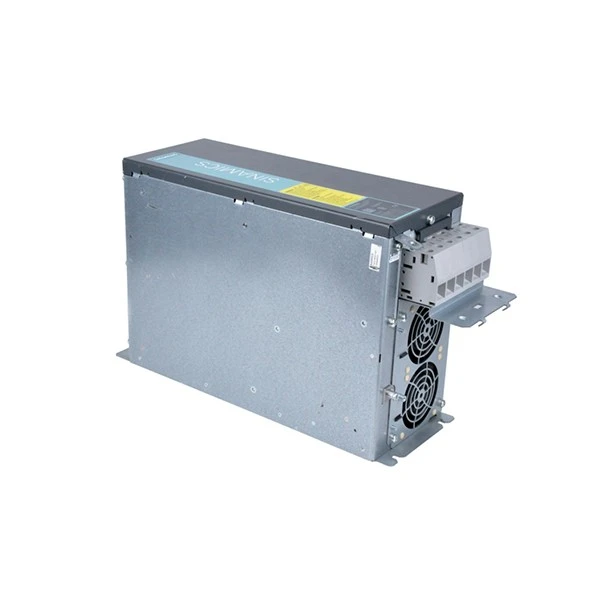
Siemens offers a wide range of VFD models, each with its own set of current limit settings and features. Some of the most popular models include the SINAMICS G120 Frequency Converter, the SINAMICS V90, and the Siemens 6SL3100-0BE23-6AB0.
In the SINAMICS G120 Frequency Converter, the current limit can be set using the parameter P2124. This parameter allows the user to specify the maximum current that the drive can deliver to the motor. The drive also offers a dynamic current limit function, which can be enabled using the parameter P2125. This function allows the drive to adjust the current limit dynamically based on the motor speed and load.
In the SINAMICS V90, the current limit can be set using the parameter P2900. This parameter allows the user to specify the maximum current that the drive can deliver to the motor. The drive also offers a peak current limit function, which can be enabled using the parameter P2901. This function allows the drive to limit the peak current that can be drawn by the motor during startup and acceleration.
In the Siemens 6SL3100-0BE23-6AB0, the current limit can be set using the parameter P2124. This parameter allows the user to specify the maximum current that the drive can deliver to the motor. The drive also offers a constant current limit function, which can be enabled using the parameter P2125. This function allows the drive to maintain the current at a fixed value, regardless of the motor speed or load.
Conclusion
The current limit function is a critical feature of Siemens VFDs, providing essential protection, stability, and efficiency for industrial applications. By limiting the current, the drive can protect itself and the motor from overcurrent conditions, improve the reliability and stability of the system, and optimize energy consumption.
As a supplier of Siemens VFDs, I'm committed to providing our customers with the highest quality products and services. If you're interested in learning more about the current limit function of Siemens VFDs or need assistance with selecting the right drive for your application, please don't hesitate to contact us. We'll be happy to help you find the best solution for your needs and ensure that your system operates safely, efficiently, and reliably.
References
- Siemens Industry Inc. (2023). SINAMICS G120 Frequency Converter User Manual.
- Siemens Industry Inc. (2023). SINAMICS V90 User Manual.
- Siemens Industry Inc. (2023). Siemens 6SL3100-0BE23-6AB0 Technical Data Sheet.


