


Hey there! As a supplier of Siemens PLC modules, I've gotten a ton of questions about the motion control module in a Siemens PLC system. So, I thought I'd sit down and break it all down for you.
First off, let's talk about what a motion control module actually is. In a nutshell, it's a key component in a Siemens PLC system that's responsible for managing and regulating the movement of machinery. It's like the brain that tells the machine how fast to go, when to stop, and in what direction to move.

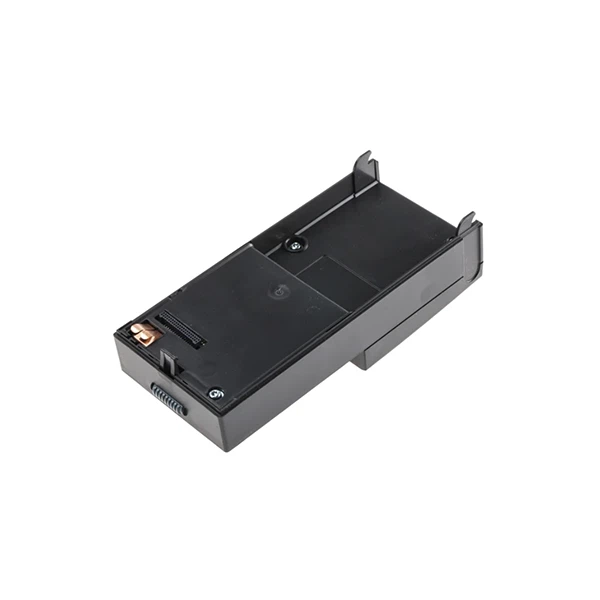
One of the main functions of a motion control module is speed control. In industrial settings, different machines need to operate at specific speeds to ensure optimal performance. For example, in a conveyor belt system, the speed needs to be just right so that products are transported smoothly without any jams. The motion control module in a Siemens PLC system can precisely adjust the speed of motors and other moving parts. It can handle both constant speed operations and variable speed requirements. This is super important because it helps improve productivity and reduces the risk of equipment damage.
Another crucial function is position control. In many manufacturing processes, it's essential for parts to be placed in exact positions. Think about a robotic arm in an assembly line. It needs to pick up components and place them with high precision. The motion control module can accurately determine the position of moving elements and make real - time adjustments. It uses feedback from sensors to ensure that the actual position matches the desired position. This results in high - quality products and efficient production processes.
Torque control is also a significant function. In some applications, such as in a winding machine, the amount of torque applied to the material being wound is critical. Too much torque can break the material, while too little can cause it to unwind. The motion control module in a Siemens PLC system can regulate the torque output of motors. It monitors the load and adjusts the torque accordingly to maintain a stable operation.
Now, let's take a look at some specific Siemens PLC modules that are related to motion control. One of them is the Siemens 6ES7360 - 3AA01 - 0AA0. This module is known for its reliability and compatibility with a wide range of Siemens PLC systems. It can be used in various motion control applications, providing accurate speed and position control.
The Siemens 6SE6400 - 1PB00 - 0AA0 Communication Module is also very important. In a motion control system, communication between different components is key. This module enables seamless communication between the motion control module, the PLC, and other devices. It ensures that data can be transferred quickly and accurately, which is essential for real - time control.
And then there's the Siemens 6ES7972 - 0BA42 - 0XA0. This module plays a role in the overall connectivity of the system. It can be used for programming, configuration, and data transfer. It helps technicians and engineers to set up and manage the motion control functions of the Siemens PLC system more effectively.
In addition to these basic functions, the motion control module in a Siemens PLC system also offers some advanced features. For example, it can perform synchronization. In a multi - axis system, where multiple motors or moving parts need to work together in harmony, synchronization is crucial. The motion control module can coordinate the movement of different axes so that they move in a coordinated manner. This is very useful in applications like printing presses, where multiple rollers need to move in sync to produce high - quality prints.
Diagnostic capabilities are another great advantage. The motion control module can continuously monitor the status of the system. It can detect faults such as over - current, over - temperature, and mechanical failures. Once a fault is detected, it can send out alarms and provide detailed diagnostic information. This helps maintenance teams to quickly identify and fix problems, minimizing downtime.
The flexibility of the motion control module in a Siemens PLC system is also worth mentioning. It can be easily integrated with other modules and components in the system. Whether you're using different types of sensors, input/output modules, or communication interfaces, the motion control module can work in harmony with them. This makes it suitable for a wide range of industrial applications, from small - scale workshops to large - scale manufacturing plants.
If you're in the market for Siemens PLC modules, especially those related to motion control, I'm here to help. I've been in the business for a while, and I know how important it is to have reliable and high - performance modules for your industrial needs. Whether you need to upgrade your existing system or set up a new one, I can provide you with the right solutions. Don't hesitate to reach out if you have any questions or if you're interested in purchasing. We can discuss your specific requirements and find the best - fitting modules for your business.
In conclusion, the motion control module in a Siemens PLC system is a vital component that offers a wide range of functions. From speed control and position control to torque control and advanced features like synchronization and diagnostics, it plays a crucial role in ensuring the smooth operation of industrial machinery. If you want to improve the efficiency, productivity, and quality of your manufacturing processes, investing in the right motion control module is a smart move.
References
- Siemens PLC System Technical Manuals
- Industrial Automation Industry Reports
- Motion Control Technology Journals


