


As a trusted supplier of Siemens Variable Frequency Drives (VFDs), I've witnessed firsthand the importance of understanding the load capacity of these devices at different frequencies. This knowledge is crucial for ensuring optimal performance, energy efficiency, and longevity of your industrial equipment. In this blog post, I'll delve into the factors that influence the load capacity of Siemens VFDs and how it varies across different frequencies.
Understanding Variable Frequency Drives
Before we discuss load capacity, let's briefly review what a VFD is and how it works. A Variable Frequency Drive, also known as an adjustable frequency drive or inverter, is an electronic device that controls the speed and torque of an electric motor by varying the frequency and voltage of the power supplied to it. By adjusting the motor's speed to match the requirements of the application, VFDs can significantly reduce energy consumption, improve process control, and extend the lifespan of the motor.
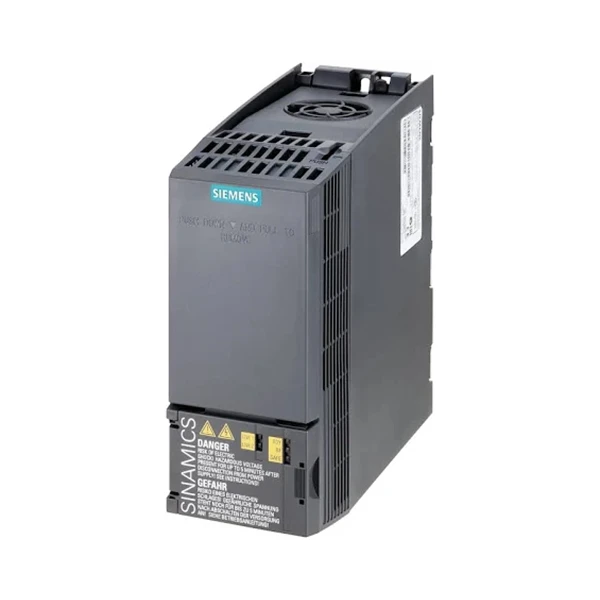
Siemens offers a wide range of VFDs, each designed to meet the specific needs of different industries and applications. Some of the popular models include the SINAMICS G120C, SIEMENS 6SL3210-1SE21-0UA0 SINAMICS S120, and Siemens 6SL3120-2TE21-8AA3. These drives are known for their reliability, efficiency, and advanced features, making them a top choice for many industrial users.
Factors Affecting Load Capacity
The load capacity of a Siemens VFD at different frequencies is influenced by several factors, including:
1. Motor Rating
The motor rating, which includes the horsepower (HP) or kilowatt (kW) rating and the rated current, is one of the primary factors that determine the load capacity of a VFD. The VFD must be sized to handle the maximum current and power requirements of the motor. When operating at lower frequencies, the motor may draw more current to maintain the required torque, so it's important to ensure that the VFD can handle this increased current without overheating or tripping.
2. Cooling Method
The cooling method of the VFD also plays a role in its load capacity. VFDs generate heat during operation, and effective cooling is essential to prevent overheating and ensure reliable performance. Siemens VFDs are available with different cooling methods, such as air cooling and liquid cooling. Liquid-cooled VFDs generally have a higher load capacity than air-cooled VFDs because they can dissipate heat more efficiently.
3. Ambient Temperature
The ambient temperature in which the VFD operates can affect its load capacity. Higher ambient temperatures can reduce the efficiency of the VFD and increase the risk of overheating. Siemens provides derating curves for its VFDs, which show how the load capacity is reduced at higher ambient temperatures. It's important to consider the ambient temperature when selecting a VFD and to ensure that it is installed in a well-ventilated area.
4. Duty Cycle
The duty cycle of the application, which refers to the ratio of the time the motor is running to the total time, also affects the load capacity of the VFD. Applications with a high duty cycle, such as continuous operation, require a VFD with a higher load capacity to handle the sustained load. On the other hand, applications with a low duty cycle, such as intermittent operation, may allow for a smaller VFD.
Load Capacity at Different Frequencies
The load capacity of a Siemens VFD varies depending on the frequency at which it is operating. In general, the load capacity decreases as the frequency decreases. This is because at lower frequencies, the motor requires more current to produce the same amount of torque, and the VFD must be able to handle this increased current.

Constant Torque Operation
In constant torque applications, such as conveyor belts and positive displacement pumps, the torque required by the motor remains constant regardless of the speed. At lower frequencies, the VFD must provide more voltage to maintain the constant torque, which results in an increase in current. As a result, the load capacity of the VFD is reduced at lower frequencies.
Variable Torque Operation
In variable torque applications, such as centrifugal fans and pumps, the torque required by the motor is proportional to the square of the speed. At lower frequencies, the torque requirement decreases, and the VFD can operate at a lower current. This means that the load capacity of the VFD is less affected by the frequency in variable torque applications compared to constant torque applications.
Example: Load Capacity of a Siemens VFD
Let's take a look at an example to illustrate how the load capacity of a Siemens VFD varies at different frequencies. Suppose we have a SINAMICS G120C VFD rated for 5.5 kW at 50 Hz and a motor with a rated power of 5.5 kW.
- At 50 Hz: The VFD can operate at its full load capacity of 5.5 kW, providing the rated current and voltage to the motor.
- At 25 Hz: In a constant torque application, the motor may require more current to maintain the same torque at the lower speed. As a result, the load capacity of the VFD may be reduced to, say, 3.7 kW. In a variable torque application, the torque requirement decreases at the lower speed, and the VFD may still be able to operate at a higher load capacity, perhaps 4.5 kW.
Importance of Proper Sizing
Proper sizing of the Siemens VFD is crucial to ensure optimal performance and reliability. If the VFD is undersized, it may overheat, trip, or cause damage to the motor. On the other hand, if the VFD is oversized, it may be more expensive and less efficient.
When selecting a Siemens VFD, it's important to consider the motor rating, the application requirements, the ambient temperature, and the duty cycle. Siemens provides sizing guidelines and selection tools to help users choose the right VFD for their application. It's also recommended to consult with a Siemens representative or a qualified engineer to ensure that the VFD is properly sized and installed.
Conclusion
Understanding the load capacity of a Siemens VFD at different frequencies is essential for selecting the right drive for your application and ensuring optimal performance. By considering factors such as motor rating, cooling method, ambient temperature, and duty cycle, you can make an informed decision and choose a VFD that can handle the load requirements of your motor at all frequencies.
If you're in the market for a Siemens VFD or need more information about load capacity and sizing, I encourage you to contact me. As a trusted supplier of Siemens VFDs, I have the expertise and experience to help you find the right solution for your needs. Let's work together to optimize your industrial processes and improve your energy efficiency.
References
- Siemens Variable Frequency Drive Catalog
- Siemens Application Manuals
- Electrical Engineering Textbooks on Motor Control and VFDs


