


As a dedicated supplier of Schneider Variable Frequency Drives (VFDs), I've received numerous inquiries about the response time of these drives to speed changes. This is a crucial aspect, especially for applications where precise and rapid speed adjustments are required. In this blog, I'll delve into the factors influencing the response time of Schneider VFDs, explore real - world implications, and share insights based on my experience in the field.

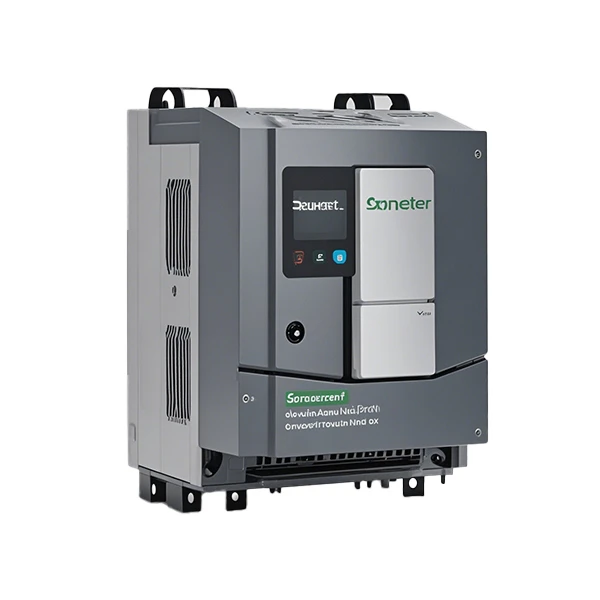
Understanding the Basics of VFD Response Time
Response time in a VFD refers to the time it takes for the drive to adjust the motor speed from its current value to a new setpoint. It encompasses the time required for the drive to process the speed change command, adjust the output voltage and frequency, and for the motor to physically reach the new speed.
Schneider VFDs are engineered with advanced control algorithms and high - speed processors to ensure efficient and accurate speed regulation. However, several factors can influence their response time.
Control Mode
The control mode selected on the VFD significantly impacts response time. For instance, open - loop control is relatively simple and fast. In open - loop control, the VFD adjusts the output frequency based on the input command without feedback from the motor. This mode is suitable for applications where high - precision speed control is not critical, such as some simple conveyor systems.
On the other hand, closed - loop control uses feedback from a speed sensor (e.g., an encoder) to continuously monitor and adjust the motor speed. While closed - loop control offers higher precision, it generally has a slightly longer response time due to the additional processing required to compare the actual speed with the setpoint and make corrections.
Load Inertia
The inertia of the load connected to the motor plays a vital role in determining response time. A high - inertia load, such as a large flywheel or a heavy conveyor belt, requires more energy and time to accelerate or decelerate. When a speed change command is issued, the VFD has to supply sufficient torque to overcome the load's inertia. As a result, the response time will be longer compared to a low - inertia load.
VFD Capacity and Rating
The capacity and rating of the VFD also affect response time. A VFD that is appropriately sized for the motor and load will be able to respond more quickly to speed changes. If the VFD is undersized, it may not be able to supply enough power to accelerate or decelerate the motor rapidly, leading to a longer response time. Conversely, an oversized VFD may not operate at its optimal efficiency, but it can generally provide faster response times as it has more power reserve.
Real - World Applications and Response Time Requirements
Different industrial applications have varying requirements for VFD response time. Let's take a look at some common scenarios.
Packaging Machinery
In packaging machinery, speed changes are frequent and often require quick responses. For example, when changing the packaging speed to accommodate different product sizes or production rates, the VFD needs to adjust the motor speed rapidly. A fast - responding VFD ensures smooth operation and high - quality packaging, reducing the risk of product damage or misalignment. The Schneider Xw Pro 6848 is a suitable choice for such applications, as it offers advanced control features and can handle rapid speed changes efficiently.
Elevators
Elevators require precise speed control and relatively fast response times. When passengers enter or exit the elevator, the VFD needs to adjust the motor speed smoothly and quickly to ensure a comfortable and safe ride. The response time is crucial for maintaining proper acceleration and deceleration profiles, preventing jerks or sudden stops. Schneider VFDs, with their reliable performance and advanced control algorithms, are well - suited for elevator applications. The ATV310HU22N4E Schneider Electric provides stable speed control and can respond effectively to speed change commands.
Machine Tools
In machine tools, such as lathes and milling machines, accurate speed control is essential for achieving high - quality machining results. When changing the cutting speed based on the material being processed or the machining operation, the VFD needs to adjust the motor speed precisely and in a timely manner. A slow response time can lead to poor surface finish, inaccurate dimensions, and reduced tool life. The Schneider ATV320U40N4B Variable Speed Drive offers excellent speed regulation and can respond quickly to speed changes, making it a popular choice for machine tool applications.
Optimizing Response Time in Schneider VFDs
As a supplier, I often provide customers with advice on optimizing the response time of their Schneider VFDs. Here are some practical tips:
Proper Sizing
Ensure that the VFD is correctly sized for the motor and load. Consult the VFD manufacturer's guidelines or work with an experienced engineer to select the appropriate VFD capacity. An undersized VFD can lead to slow response times and potential overheating, while an oversized VFD may be more expensive and less energy - efficient.
Parameter Tuning
Take the time to tune the VFD parameters correctly. Parameters such as acceleration and deceleration time, torque boost, and speed loop gain can be adjusted to optimize response time. However, parameter tuning should be done carefully, as incorrect settings can lead to unstable operation or other issues.
Maintenance
Regular maintenance of the VFD and the motor is essential for maintaining optimal performance. Keep the VFD clean, check for loose connections, and replace any worn - out components. A well - maintained VFD will be more likely to respond quickly and accurately to speed changes.
Conclusion
The response time of Schneider VFDs to speed changes is influenced by multiple factors, including control mode, load inertia, and VFD capacity. Understanding these factors and their impact on response time is crucial for selecting the right VFD for specific applications.
Whether you are involved in packaging machinery, elevators, or machine tools, choosing a Schneider VFD with the appropriate features and performance characteristics can ensure efficient and reliable operation. If you are considering purchasing Schneider VFDs for your project, I encourage you to contact me for more information and to discuss your specific requirements. I can provide detailed product specifications, technical support, and help you make an informed decision.
References
- Schneider Electric VFD User Manuals
- Industrial Drives and Controls Handbook


