

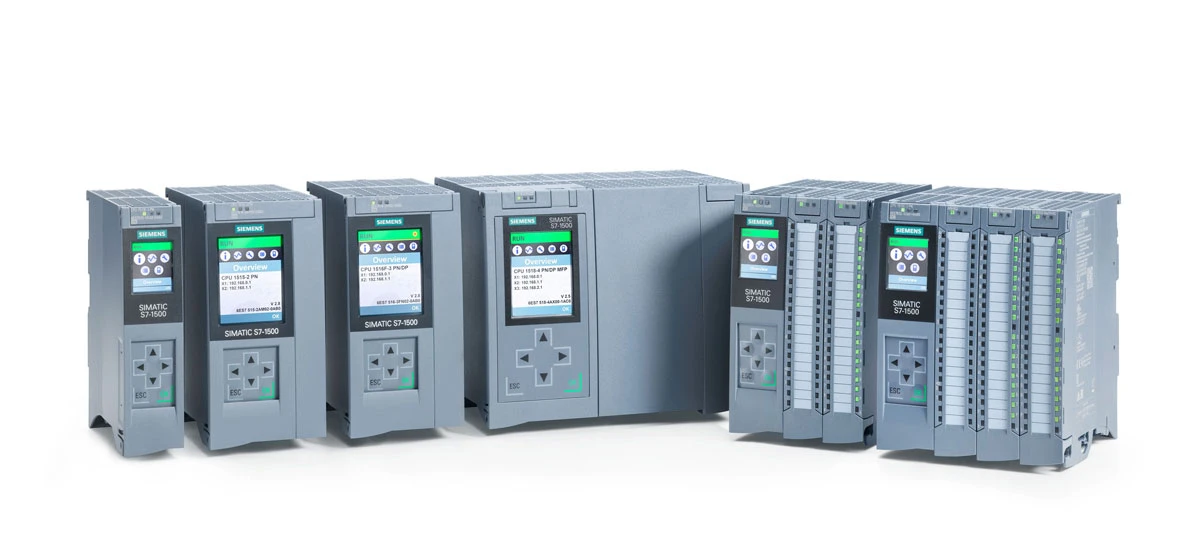
In today's industrial world, Siemens PLC (Programmable Logic Controllers) are the backbone of many manufacturing and production systems. These devices control critical processes, from assembly lines to power distribution. But as industrial networks become more connected, Siemens PLC cybersecurity risks are growing. Hackers and malicious actors target these systems to disrupt operations, steal data, or cause financial harm. This guide will walk you through essential Siemens PLC cybersecurity best practices to protect your industrial network. We'll cover key risks, practical steps to secure your Siemens PLC, and why these measures matter for your business.
Key Risks to Siemens PLC in Industrial Networks
Before diving into solutions, it's important to understand the main threats to your Siemens PLC. Knowing these risks helps you focus your security efforts where they're most needed. Below are the top risks that can compromise Siemens PLC cybersecurity.
Malware and Ransomware Attacks on Siemens PLC
Malware (malicious software) and ransomware are among the biggest threats to Siemens PLC systems. Ransomware, in particular, encrypts your PLC data and systems, forcing you to pay a ransom to regain access. For example, some attacks target the software used to program and monitor Siemens PLC, spreading through infected USB drives or compromised network connections. Once a Siemens PLC is infected, production can stop completely, leading to huge financial losses. This is why protecting against malware is a core part of Siemens PLC cybersecurity.
Unauthorized Access to Siemens PLC Systems
Another major risk is unauthorized access. This happens when someone who shouldn't have access gains entry to your Siemens PLC or its network. It could be a former employee with old login credentials, a hacker who guesses weak passwords, or someone who physically accesses the PLC device. Unauthorized access allows attackers to change PLC settings, disrupt processes, or steal sensitive operational data. This risk is heightened if your Siemens PLC is connected to the internet without proper security measures.
Siemens PLC Cybersecurity Best Practices
Now that you know the key risks, let's explore actionable Siemens PLC cybersecurity best practices. These steps are designed to be practical and easy to implement, even for small to medium industrial operations. Following these guidelines will significantly strengthen your industrial network security for Siemens PLC.
Keep Siemens PLC Firmware Updated
One of the simplest and most effective Siemens PLC cybersecurity steps is to keep your PLC firmware updated. Siemens regularly releases firmware updates to fix security vulnerabilities and improve performance. Vulnerabilities in outdated firmware are a common entry point for hackers. To do this, always download firmware updates directly from the official Siemens website-never use third-party sources. Before updating, back up your PLC program and test the update in a non-production environment to avoid disruptions. This practice directly addresses Siemens PLC vulnerability mitigation and keeps your systems protected against new threats.
Implement Strong Access Control for Siemens PLC
Controlling who can access your Siemens PLC is critical for cybersecurity. Start by using strong, unique passwords for all PLC accounts. Avoid simple passwords like "password123" or default credentials (Siemens PLC often come with default passwords that hackers know well). Enable multi-factor authentication (MFA) if your Siemens PLC system supports it-this adds an extra layer of security by requiring a second form of verification, like a code sent to your phone. Additionally, follow the "least privilege" principle: only give employees the minimum access they need to do their jobs. For example, a maintenance worker doesn't need full administrative access to the PLC. This helps prevent unauthorized changes and reduces the risk of internal threats. Learning how to protect Siemens PLC from cyber threats often starts with securing access to the system itself.
Use Network Segmentation for Siemens PLC Security
Network segmentation means dividing your industrial network into smaller, separate sections. This is a key Siemens PLC network security measure because it limits how far a cyberattack can spread. For example, separate your Siemens PLC systems from your office network and the internet. If a hacker gains access to your office network, they won't be able to easily reach your PLCs. Use firewalls and routers to create these segments and control traffic between them. You can also use virtual local area networks (VLANs) to isolate Siemens PLC devices. Make sure only necessary traffic is allowed to and from the PLC segment-block all other unnecessary connections. This practice not only protects your Siemens PLC but also improves the overall security of your industrial network.
Conduct Regular Security Audits for Siemens PLC
Regular security audits are essential to maintain strong Siemens PLC cybersecurity. An audit involves checking your PLC systems, network, and security policies to find vulnerabilities. You can conduct internal audits or hire a third-party expert with experience in industrial cybersecurity. During an audit, look for weak passwords, outdated firmware, unauthorized access points, and misconfigured network settings. After the audit, create a report with recommendations to fix any issues you find. Schedule audits at least once a year, or more often if your industrial processes change or if there's a major cybersecurity threat. This proactive step helps you stay ahead of risks and ensures your Siemens PLC security best practices are being followed.
Train Staff on Siemens PLC Cybersecurity
Your employees are one of your biggest assets in protecting your Siemens PLC-but they can also be a weak link. Many cybersecurity breaches happen because of human error, like clicking on a phishing email or using an infected USB drive. That's why training your staff on Siemens PLC cybersecurity is so important. Teach your employees to recognize phishing emails (which often pretend to be from Siemens or other trusted sources), avoid using personal USB drives on industrial computers, and report any suspicious activity. Provide hands-on training on how to use Siemens PLC security features, like password management and access control. Regular refresher training will help keep cybersecurity top of mind for your team. This training is a key part of industrial network security for Siemens PLC, as it empowers your staff to help protect your systems.
Why Siemens PLC Cybersecurity Matters for Industrial Operations
You might be wondering why Siemens PLC cybersecurity is worth the time and effort. The answer is simple: a breach of your Siemens PLC can have devastating consequences for your business. First, it can cause unplanned downtime. If your PLC is compromised, production stops, and you lose money every minute your operations are halted. Second, a breach can damage your reputation. Customers and partners may lose trust in your ability to keep your systems secure. Third, it can lead to legal and regulatory issues. Many industries have strict rules about data security and industrial safety, and a breach could result in fines or legal action. Finally, a breach can put your employees at risk. If your PLC controls safety systems (like emergency shutoffs), a cyberattack could compromise workplace safety. Investing in Siemens PLC cybersecurity is an investment in the future of your business.
Putting It All Together: Your Siemens PLC Cybersecurity Plan
Now that you know the best practices, it's time to create your own Siemens PLC cybersecurity plan. Start by assessing your current security posture-identify your Siemens PLC devices, their current firmware versions, and any existing security measures. Next, prioritize the best practices based on your biggest risks. For example, if you haven't updated your firmware in a while, that should be your first step. Then, implement the practices one by one, starting with the most critical. Finally, regularly review and update your plan as new threats emerge and your business grows. Remember, Siemens PLC cybersecurity is an ongoing process, not a one-time task.
By following these Siemens PLC cybersecurity best practices-keeping firmware updated, implementing strong access control, using network segmentation, conducting regular audits, and training your staff-you can significantly reduce the risk of a cyberattack on your industrial network. Protecting your Siemens PLC isn't just about keeping your systems safe; it's about keeping your business running, your employees safe, and your customers trusting you. Start implementing these steps today to secure your industrial network and your Siemens PLC systems.


