

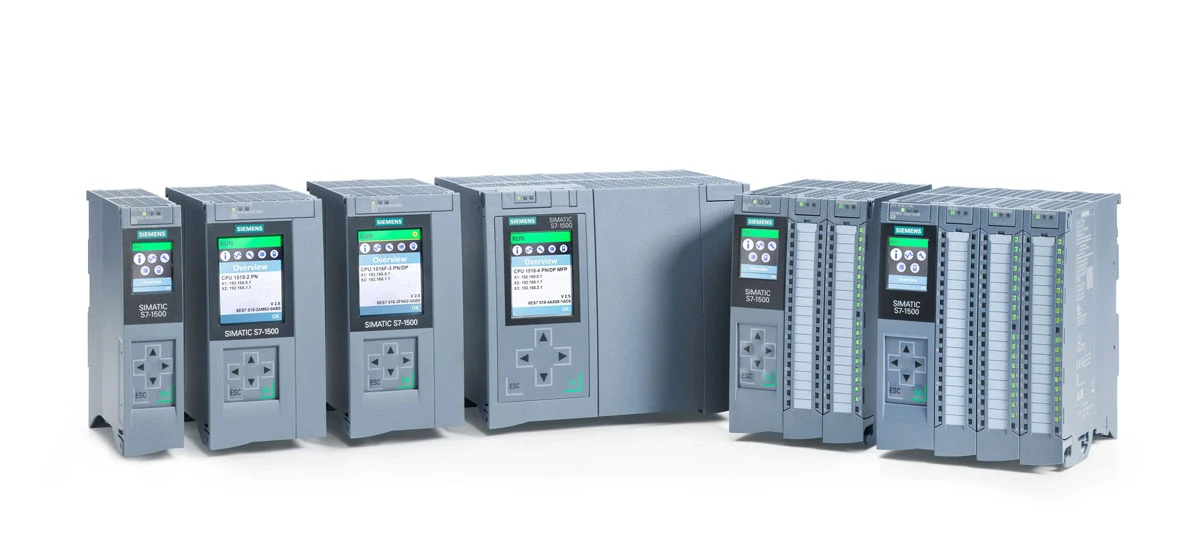
In the world of manufacturing, precision is everything-especially in machining and mold making. Even the smallest error, measured in microns (one micron equals 0.001 millimeters), can ruin a part, delay production, and increase costs. This is where Siemens PLCs come into play. Siemens PLCs are powerful, reliable tools that help manufacturers achieve the micron-level accuracy needed for high-quality precision tooling. Whether it's cutting metal parts for aerospace or creating molds for medical devices, Siemens PLCs have become a cornerstone of modern precision manufacturing.
Siemens PLCs: The Foundation of Precision Tooling
First, let's understand what a PLC is. PLC stands for Programmable Logic Controller, a small computer that controls industrial machines and processes. Unlike regular computers, PLCs are built to work in harsh factory environments with dust, vibration, and extreme temperatures. Siemens PLCs stand out because of their advanced technology, ease of use, and ability to handle the complex demands of precision tooling.
For precision tooling, consistency and accuracy are non-negotiable. Siemens PLCs excel here by processing instructions at ultra-fast speeds. This means they can adjust machine movements in real time, ensuring that every cut, drill, or mold press is exactly as planned. Whether you're using a milling machine for machining or an injection molding machine for mold making, Siemens PLCs act as the "brain" that keeps everything running with micron-level precision.
Key Advantages of Siemens PLCs for Precision Applications
Siemens PLCs offer several key benefits that make them ideal for precision tooling. First, they have high processing power, which allows them to handle multiple tasks at once-like monitoring sensors, controlling motors, and adjusting tool positions-without lag. Second, they are highly reliable. Downtime in precision manufacturing is costly, and Siemens PLCs are designed to run continuously for long periods with minimal maintenance.
Another advantage is their flexibility. Siemens PLCs can be programmed to work with different types of machines and processes, from small-scale mold making shops to large industrial machining facilities. This flexibility means manufacturers don't need to invest in different control systems for different tasks-one Siemens PLC can handle it all. Finally, Siemens provides excellent support and training, which helps manufacturers get the most out of their PLCs and maintain precision over time.
How Siemens PLCs Enable Micron-Level Accuracy in Machining
Machining is the process of cutting, shaping, or finishing materials like metal, plastic, or wood into precise parts. For industries like aerospace, automotive, and medical, these parts often need to meet micron-level tolerance requirements. Siemens PLCs play a critical role in making this possible through precise motor control and real-time feedback.
Real-Time Sensor Integration with Siemens PLCs
Siemens PLCs connect to a network of sensors that measure every aspect of the machining process-from the position of the tool to the temperature of the material. These sensors send data to the Siemens PLC at incredibly fast rates. The PLC then uses this data to make instant adjustments. For example, if a sensor detects that the tool is slightly off position, the Siemens PLC will adjust the motor to correct it before any error occurs. This real-time feedback loop is what allows for micron-level accuracy in machining.
Precise Motor Control with Siemens PLCs
The motors that drive machining tools need to move with extreme precision. Siemens PLCs work with servo motors, which are designed for accurate position control. The PLC sends precise signals to the servo motors, telling them exactly how far and how fast to move. This level of control ensures that the tool makes cuts with micron-level accuracy, even when working with hard materials like titanium or steel. Many manufacturers rely on Siemens PLCs for machining precision because of this seamless integration between the PLC and servo motors.
Siemens PLCs in Mold Making: Ensuring Consistency and Precision
Mold making is another area where micron-level accuracy is essential. Molds are used to create identical parts in large quantities, so even a tiny imperfection in the mold will be replicated in every part. Siemens PLCs help mold makers maintain consistent precision throughout the mold making process, from design to production.
Streamlining Mold Design and Production with Siemens PLCs
Siemens PLCs can be integrated with computer-aided design (CAD) software, which allows mold makers to translate digital designs into precise physical molds. The PLC uses the CAD data to control the mold making machine, ensuring that every detail of the design is accurately reproduced. This integration also reduces human error, as the PLC handles the precise movements needed to create complex mold shapes.
Maintaining Temperature and Pressure Control with Siemens PLCs
In injection mold making, temperature and pressure are critical factors that affect the quality of the final part. Siemens PLCs monitor and control these variables in real time. For example, the PLC will adjust the temperature of the molten plastic to ensure it flows evenly into the mold. It will also control the pressure used to inject the plastic, preventing defects like air bubbles or uneven filling. By maintaining precise control over these variables, Siemens PLCs in mold making help produce high-quality molds that meet micron-level accuracy requirements.
Real-World Applications of Siemens PLCs in Precision Tooling
Siemens PLCs are used in a wide range of precision tooling applications across different industries. Let's look at some real-world examples to see how they make a difference.
Aerospace Component Machining
The aerospace industry requires parts that are both lightweight and extremely precise. For example, turbine blades for jet engines need to have micron-level accuracy to ensure efficient performance. Manufacturers use Siemens PLCs to control the machining process of these blades. The PLCs integrate with sensors that measure the blade's shape and thickness, making real-time adjustments to the cutting tool. This ensures that every turbine blade meets the strict quality standards of the aerospace industry.
Medical Device Mold Making
Medical devices like syringes, catheters, and implantable devices require molds with micron-level precision. A small error in the mold could lead to a defective device that puts patients at risk. Medical device manufacturers use Siemens PLCs to control the mold making process. The PLCs ensure that the molds are produced with consistent accuracy, and they monitor the injection molding process to ensure that every device meets the required specifications. Siemens PLCs for precision tooling applications in the medical industry are trusted because of their reliability and accuracy.
Choosing the Right Siemens PLC for Your Precision Tooling Needs
Not all Siemens PLCs are the same, and choosing the right one for your precision tooling application is important. Here are some factors to consider:
- Processing Power: For complex precision tooling tasks, you'll need a Siemens PLC with high processing power to handle real-time data and fast adjustments.
- I/O Capacity: I/O (Input/Output) ports connect the PLC to sensors, motors, and other devices. Make sure the PLC has enough I/O ports for your application.
- Compatibility: Ensure the Siemens PLC is compatible with your existing machines and software, like CAD programs or motor control systems.
- Support and Training: Choose a Siemens PLC that comes with good support and training resources to help your team get up to speed quickly.
Siemens offers a range of PLCs designed for precision manufacturing, from the compact S7-1200 series for small-scale applications to the high-performance S7-1500 series for large industrial operations. No matter what your precision tooling needs are, there's a Siemens PLC that's right for you.
Conclusion: Siemens PLCs-The Key to Micron-Level Accuracy in Precision Tooling
In today's competitive manufacturing landscape, achieving micron-level accuracy in machining and mold making is essential for success. Siemens PLCs provide the precision, reliability, and flexibility needed to meet these strict requirements. From real-time sensor integration and precise motor control to seamless integration with CAD software and temperature/pressure control, Siemens PLCs are the backbone of modern precision tooling.
Whether you're in the aerospace, medical, automotive, or any other industry that requires precision parts, Siemens PLCs can help you improve quality, reduce costs, and increase productivity. By choosing the right Siemens PLC and leveraging its advanced features, you can achieve the micron-level accuracy that sets your products apart from the competition. If you're looking to take your precision tooling to the next level, Siemens PLCs are the solution you need.


