


Integrating Omron PLC modules with MES (Manufacturing Execution System) systems is a crucial step in modern manufacturing processes. As a supplier of Omron PLC modules, I've witnessed firsthand the transformative power of this integration. In this blog, I'll share practical insights on how to achieve seamless integration between Omron PLC modules and MES systems, ensuring enhanced efficiency, productivity, and data-driven decision-making in your manufacturing operations.
Understanding the Basics: Omron PLC Modules and MES Systems
Before delving into the integration process, it's essential to understand the fundamental roles of Omron PLC modules and MES systems. Omron PLC modules are programmable logic controllers designed to automate and control industrial processes. They are known for their reliability, flexibility, and high-performance capabilities. For instance, the Omron CP1W-CIF01 RS232 Module is a popular choice for serial communication applications, enabling seamless data transfer between the PLC and other devices.
On the other hand, MES systems are software solutions that manage and monitor manufacturing operations in real-time. They provide visibility into production processes, track inventory, manage quality control, and facilitate communication between different departments within a manufacturing facility. By integrating Omron PLC modules with MES systems, manufacturers can bridge the gap between the shop floor and the enterprise level, enabling real-time data exchange and synchronization.
Key Considerations for Integration
Integrating Omron PLC modules with MES systems requires careful planning and consideration of several factors. Here are some key considerations to keep in mind:
Compatibility
Ensure that the Omron PLC modules you choose are compatible with your MES system. Check the communication protocols supported by both the PLC modules and the MES system to ensure seamless data transfer. For example, if your MES system uses Modbus TCP/IP for communication, make sure your Omron PLC modules support this protocol.
Data Requirements
Identify the specific data requirements for your integration. Determine what data needs to be collected from the PLC modules and transferred to the MES system, such as production counts, machine status, temperature readings, etc. Understanding these requirements will help you configure the PLC modules and the MES system accordingly.
Security
Security is a critical aspect of any integration project. Implement appropriate security measures to protect the data transferred between the Omron PLC modules and the MES system. This may include using encryption, access controls, and firewalls to prevent unauthorized access and ensure the integrity of the data.
Scalability
Consider the scalability of your integration solution. As your manufacturing operations grow and evolve, you may need to add more PLC modules or expand your MES system. Choose an integration solution that can easily accommodate these changes without significant disruptions to your existing operations.
Integration Steps
Once you've considered the key factors, you can proceed with the integration process. Here are the general steps involved in integrating Omron PLC modules with MES systems:
Step 1: Define the Integration Scope
Clearly define the scope of your integration project. Determine which Omron PLC modules will be integrated with the MES system, what data will be exchanged, and the specific functionality you want to achieve. This will help you set clear goals and objectives for the project.
Step 2: Select the Integration Method
There are several methods for integrating Omron PLC modules with MES systems, including direct communication, middleware, and gateway devices. Choose the method that best suits your specific requirements and infrastructure. For example, if you have a small manufacturing facility with a limited number of PLC modules, direct communication may be a simple and cost-effective solution. On the other hand, if you have a large and complex manufacturing environment, using middleware or gateway devices may provide more flexibility and scalability.
Step 3: Configure the Omron PLC Modules
Configure the Omron PLC modules to enable data collection and communication with the MES system. This may involve setting up communication parameters, such as IP addresses, port numbers, and communication protocols. You may also need to create data tags in the PLC programming software to represent the data that will be transferred to the MES system.
Step 4: Configure the MES System
Configure the MES system to receive and process the data from the Omron PLC modules. This may involve creating data connections, defining data mappings, and setting up data processing rules. You may also need to configure the MES system to display the data in a meaningful way, such as creating dashboards and reports.
Step 5: Test the Integration
Before deploying the integration solution in a production environment, thoroughly test it to ensure that it works as expected. Conduct both functional and performance tests to verify that the data is being transferred accurately and in a timely manner. Make any necessary adjustments to the configuration of the PLC modules and the MES system based on the test results.
Step 6: Deploy and Monitor the Integration
Once the integration solution has been tested and verified, deploy it in your production environment. Monitor the integration closely to ensure that it continues to operate smoothly. Set up alerts and notifications to detect any issues or anomalies in the data transfer process and take appropriate actions to resolve them.
Case Studies
To illustrate the benefits of integrating Omron PLC modules with MES systems, let's look at a few real-world case studies:

Case Study 1: Automotive Manufacturing
A leading automotive manufacturer was facing challenges in managing its production processes due to the lack of real-time visibility into machine status and production counts. By integrating Omron PLC modules with their MES system, they were able to collect and analyze data from their production lines in real-time. This enabled them to identify bottlenecks, optimize production schedules, and improve overall productivity by 15%.
Case Study 2: Food and Beverage Industry
A food and beverage company was struggling with quality control issues due to inconsistent temperature and humidity levels in their production facilities. By integrating Omron PLC modules with their MES system, they were able to monitor and control these environmental factors in real-time. This helped them reduce product waste, improve product quality, and comply with regulatory requirements.
Conclusion
Integrating Omron PLC modules with MES systems is a powerful way to enhance the efficiency, productivity, and competitiveness of your manufacturing operations. By following the key considerations and integration steps outlined in this blog, you can achieve seamless integration between these two critical components of your manufacturing ecosystem.
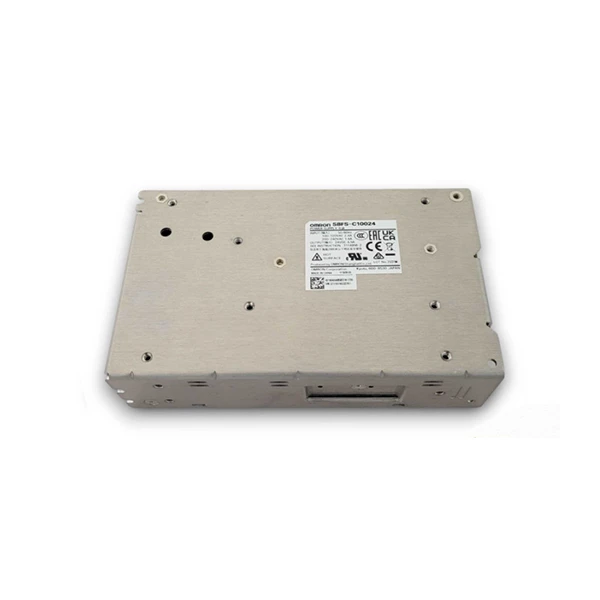
If you're interested in learning more about integrating Omron PLC modules with MES systems or have any questions about our Omron PLC module products, such as the Omron C200H-0D218 or the Omron S8FS-C10024, please don't hesitate to contact us. We'd be happy to discuss your specific requirements and provide you with a customized solution that meets your needs.
References
- Omron Corporation. (n.d.). Omron PLC Modules Product Catalog.
- Manufacturing Enterprise Solutions Association (MESA). (n.d.). MES Best Practices Guide.
- International Society of Automation (ISA). (n.d.). ISA-95 Standard for Enterprise-Control System Integration.


