


In the industrial realm, pumps and fans are crucial equipment, and Mitsubishi Variable Frequency Drives (VFDs) play a significant role in optimizing their performance. As a Mitsubishi VFD supplier, I have witnessed firsthand the transformative impact these drives can have on pump and fan applications. In this blog, I will share some key strategies and insights on how to optimize the performance of Mitsubishi VFDs in pump and fan applications.
Understanding the Basics of Mitsubishi VFDs
Mitsubishi VFDs are advanced devices that control the speed of electric motors by varying the frequency and voltage supplied to them. This allows for precise control of the motor's speed, which in turn can lead to significant energy savings, improved process control, and reduced wear and tear on equipment.
One of the key advantages of Mitsubishi VFDs is their ability to adapt to different load conditions. In pump and fan applications, the load can vary depending on factors such as the flow rate, pressure, and temperature. Mitsubishi VFDs can adjust the motor speed to match the load requirements, ensuring that the equipment operates at its most efficient level.
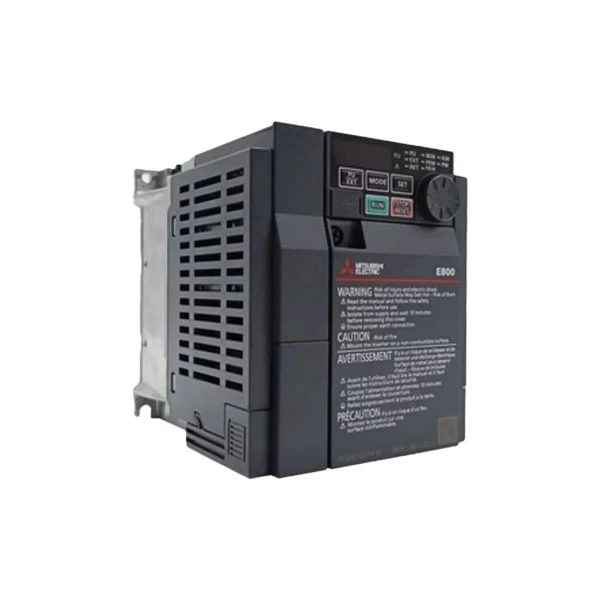

Selecting the Right Mitsubishi VFD for Your Application
The first step in optimizing the performance of a Mitsubishi VFD in a pump or fan application is to select the right drive for the job. There are several factors to consider when making this decision, including the motor power, the required speed range, the type of load, and the environmental conditions.
For example, if you are using a pump or fan with a high starting torque requirement, you may need to choose a VFD with a high overload capacity. On the other hand, if you are looking for a drive that can operate in a harsh environment, you may need to choose a VFD with a high degree of protection against dust, moisture, and other contaminants.
Some popular Mitsubishi VFD models for pump and fan applications include the FR-F840-00250-E2-60 Mitsubishi Electric, the Mitsubishi FR-E840-0095-4-60, and the Mitsubishi Fr-e720-0.4k Inverter. These drives offer a range of features and capabilities to meet the specific needs of different applications.
Proper Installation and Commissioning
Once you have selected the right Mitsubishi VFD for your application, the next step is to ensure proper installation and commissioning. This includes following the manufacturer's installation instructions, properly grounding the drive, and configuring the drive parameters to match the specific requirements of your pump or fan.
During the commissioning process, it is important to perform a series of tests to ensure that the drive is operating correctly and that the motor is running smoothly. This may include checking the motor current, voltage, and speed, as well as verifying the operation of any additional features or functions of the drive.
Optimizing VFD Parameters
One of the most effective ways to optimize the performance of a Mitsubishi VFD in a pump or fan application is to optimize the drive parameters. These parameters control various aspects of the drive's operation, such as the acceleration and deceleration times, the maximum and minimum speed limits, and the torque control settings.
By adjusting these parameters to match the specific requirements of your pump or fan, you can improve the efficiency, reliability, and performance of the system. For example, reducing the acceleration and deceleration times can help to reduce energy consumption and wear and tear on the motor, while increasing the torque control settings can improve the starting and running performance of the pump or fan.
Maintenance and Monitoring
Regular maintenance and monitoring are essential for ensuring the long-term performance and reliability of a Mitsubishi VFD in a pump or fan application. This includes performing routine inspections, cleaning the drive and motor, and checking the drive parameters and settings.
In addition, it is important to monitor the performance of the drive and motor over time to detect any potential problems or issues. This can be done using a variety of tools and techniques, such as vibration analysis, temperature monitoring, and current monitoring.
Energy Efficiency
One of the key benefits of using a Mitsubishi VFD in a pump or fan application is the potential for significant energy savings. By adjusting the motor speed to match the load requirements, the VFD can reduce the energy consumption of the pump or fan, resulting in lower operating costs and a reduced carbon footprint.
To maximize the energy efficiency of a Mitsubishi VFD in a pump or fan application, it is important to optimize the drive parameters, use energy-efficient motors, and implement a proper maintenance and monitoring program. In addition, it may be beneficial to consider using additional energy-saving features and technologies, such as variable-speed pumps and fans, and energy recovery systems.
Troubleshooting and Problem Solving
Despite the best efforts to optimize the performance of a Mitsubishi VFD in a pump or fan application, problems and issues may still arise. When this happens, it is important to have a systematic approach to troubleshooting and problem solving.
This may include checking the drive parameters and settings, inspecting the motor and other components for damage or wear, and using diagnostic tools and techniques to identify the root cause of the problem. Once the problem has been identified, it can be addressed using the appropriate repair or replacement procedures.
Conclusion
Optimizing the performance of a Mitsubishi VFD in a pump or fan application requires a combination of proper selection, installation, commissioning, parameter optimization, maintenance, and monitoring. By following these best practices, you can ensure that your pump or fan system operates at its most efficient and reliable level, resulting in lower operating costs, improved process control, and reduced downtime.
If you are interested in learning more about how Mitsubishi VFDs can optimize the performance of your pump or fan application, or if you would like to discuss your specific requirements with a knowledgeable expert, please do not hesitate to contact us. We are here to help you find the right solution for your needs and to ensure the success of your project.
References
- Mitsubishi Electric Corporation. (2023). Variable Frequency Drives Product Catalog.
- IEEE Standards Association. (2022). IEEE Recommended Practice for Electric Power Systems in Commercial Buildings.
- ASHRAE. (2021). ASHRAE Handbook - HVAC Systems and Equipment.


