


As a Siemens VFD supplier, I've witnessed firsthand the transformative impact these drives can have on food processing machines. Variable Frequency Drives (VFDs) are essential components in modern food processing, offering precise control over motor speed, energy efficiency, and process optimization. In this blog, I'll share insights on how to effectively use a Siemens VFD in a food processing machine application.
Understanding the Basics of Siemens VFDs
Siemens VFDs are known for their reliability, performance, and advanced features. They are designed to control the speed of electric motors by varying the frequency and voltage supplied to the motor. This allows for precise control of the motor's speed, torque, and acceleration, which is crucial in food processing applications where consistency and quality are paramount.
One of the key advantages of Siemens VFDs is their ability to save energy. By adjusting the motor speed to match the actual load requirements, VFDs can significantly reduce energy consumption compared to traditional fixed-speed motors. This not only lowers operating costs but also helps to reduce the environmental impact of food processing operations.
Selecting the Right Siemens VFD for Your Food Processing Machine
When selecting a Siemens VFD for a food processing machine, several factors need to be considered. These include the motor power rating, the required speed range, the load characteristics, and the environmental conditions.
The motor power rating is an important consideration as it determines the size and capacity of the VFD. It's essential to choose a VFD that can handle the motor's power requirements without overloading. The required speed range is also crucial, as different food processing applications may require different motor speeds. For example, a mixer may require a slow and steady speed, while a conveyor belt may require a higher speed.
The load characteristics of the food processing machine also need to be taken into account. Some machines may have a constant load, while others may have a variable load. Siemens VFDs can be configured to handle both types of loads, ensuring optimal performance and energy efficiency.
Finally, the environmental conditions in which the VFD will operate need to be considered. Food processing facilities can be harsh environments, with high humidity, dust, and temperature variations. Siemens VFDs are designed to withstand these conditions, but it's important to choose a VFD that is suitable for the specific environment.
Installing and Commissioning the Siemens VFD
Once you've selected the right Siemens VFD for your food processing machine, the next step is to install and commission it. Proper installation and commissioning are crucial to ensure the VFD operates safely and efficiently.
Before installing the VFD, it's important to read the manufacturer's instructions carefully. This will provide you with detailed information on how to install the VFD, connect the motor, and configure the settings. It's also important to ensure that the installation is carried out by a qualified electrician or technician.
During the commissioning process, the VFD will need to be configured to match the specific requirements of the food processing machine. This may involve setting the motor parameters, such as the rated power, speed, and torque, as well as the control settings, such as the acceleration and deceleration times. The commissioning process may also involve testing the VFD to ensure it is operating correctly.
Programming and Configuration of the Siemens VFD
Siemens VFDs offer a wide range of programming and configuration options, allowing you to customize the drive to meet the specific requirements of your food processing machine. The programming and configuration process can be carried out using a variety of methods, including the built-in keypad, a PC-based programming tool, or a remote control device.
The built-in keypad provides a simple and intuitive way to configure the VFD. It allows you to access the drive's settings and parameters, as well as monitor the drive's performance. The PC-based programming tool, such as the SINAMICS Startdrive software, provides a more advanced and comprehensive way to configure the VFD. It allows you to create and edit drive parameters, as well as monitor and analyze the drive's performance.
The remote control device, such as the SINAMICS Smart Access Module, allows you to control the VFD from a remote location. This is particularly useful in food processing applications where the VFD may be located in a hard-to-reach or hazardous area.
Maintenance and Troubleshooting of the Siemens VFD
Regular maintenance and troubleshooting are essential to ensure the long-term reliability and performance of the Siemens VFD. The maintenance requirements of the VFD will depend on the specific model and application, but generally, it's recommended to perform regular inspections, cleanings, and lubrications.
During the maintenance process, it's important to check the VFD for any signs of damage or wear, such as loose connections, overheating, or abnormal noise. It's also important to clean the VFD to remove any dust or debris that may have accumulated on the drive.

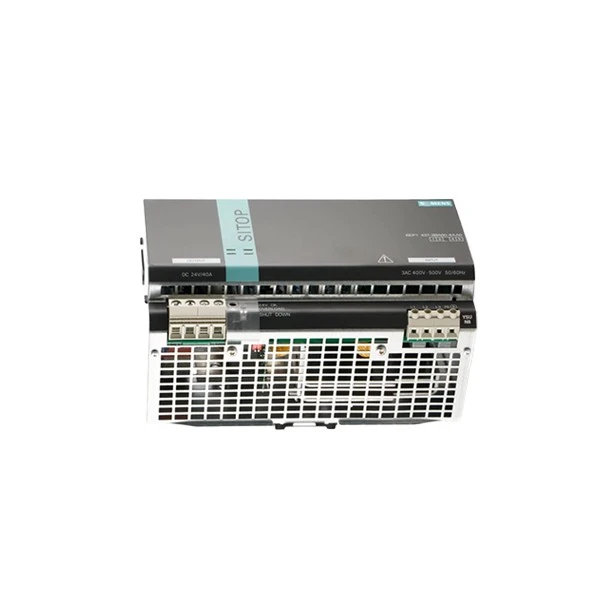
In the event of a problem with the VFD, it's important to troubleshoot the issue as quickly as possible. The Siemens VFDs are equipped with a variety of diagnostic tools and error codes, which can help you identify and resolve the problem. If you're unable to troubleshoot the issue yourself, it's recommended to contact a qualified Siemens service technician.
Applications of Siemens VFDs in Food Processing Machines
Siemens VFDs are used in a wide range of food processing machines, including mixers, conveyors, pumps, and fans. In mixers, VFDs can be used to control the speed of the mixer blades, ensuring consistent mixing and blending of ingredients. In conveyors, VFDs can be used to control the speed of the conveyor belt, allowing for precise control of the product flow. In pumps, VFDs can be used to control the flow rate and pressure of the liquid, ensuring efficient and accurate pumping. In fans, VFDs can be used to control the speed of the fan, allowing for precise control of the air flow.
For example, in a bakery, a Siemens VFD can be used to control the speed of the mixer, ensuring that the dough is mixed to the correct consistency. In a meat processing plant, a Siemens VFD can be used to control the speed of the conveyor belt, ensuring that the meat is processed at the correct rate. In a dairy processing plant, a Siemens VFD can be used to control the flow rate of the milk, ensuring that the milk is processed efficiently and accurately.
Conclusion
In conclusion, Siemens VFDs are an essential component in modern food processing machines. They offer precise control over motor speed, energy efficiency, and process optimization, which is crucial in food processing applications where consistency and quality are paramount. By selecting the right Siemens VFD, installing and commissioning it correctly, programming and configuring it to meet the specific requirements of your food processing machine, and performing regular maintenance and troubleshooting, you can ensure the long-term reliability and performance of your VFD.
If you're interested in learning more about how Siemens VFDs can benefit your food processing operations, or if you're looking to purchase a Siemens VFD, please don't hesitate to contact us. We're a leading Siemens VFD supplier, and we have the expertise and experience to help you select the right VFD for your application.
References
- Siemens Industry Online Support: https://support.industry.siemens.com/cs/ww/en
- Siemens SINAMICS Drives: https://new.siemens.com/global/en/products/drives.html
- Food Processing Machinery Association: https://www.fpma.org/
Product Links
If you're interested in purchasing any of these products or need further assistance, feel free to reach out for a detailed discussion and procurement negotiation.


