


As a trusted supplier of Omron Variable Frequency Drives (VFDs), I understand that selecting the appropriate model can be a daunting task. With a wide range of models available, each designed to meet specific industrial needs, it's crucial to make an informed decision. In this blog post, I'll guide you through the key factors to consider when choosing an Omron VFD, ensuring that you find the perfect match for your application.
Understanding Your Application Requirements
The first step in selecting the right Omron VFD is to understand the specific requirements of your application. Different applications have different power, speed, and torque requirements, and these factors will determine the type of VFD you need.
- Power Requirements: The power rating of a VFD is measured in kilowatts (kW) or horsepower (HP). It's essential to choose a VFD with a power rating that matches the requirements of your motor. If the VFD's power rating is too low, it may not be able to drive the motor effectively, leading to overheating and premature failure. On the other hand, if the power rating is too high, you'll end up paying more for a VFD than you need.
- Speed and Torque Requirements: The speed and torque requirements of your application will also influence your choice of VFD. Some applications require a constant speed, while others need variable speed control. Similarly, some applications require high torque at low speeds, while others need high torque at high speeds. Omron offers a range of VFDs with different speed and torque capabilities, so it's important to choose a model that can meet the specific requirements of your application.
- Environmental Conditions: The environmental conditions in which the VFD will operate are also an important consideration. If the VFD will be exposed to dust, moisture, or extreme temperatures, you'll need to choose a model that is designed to withstand these conditions. Omron offers VFDs with different levels of protection, including IP20, IP54, and IP66, so you can choose a model that is suitable for your environment.
Evaluating Omron VFD Features
Once you have a clear understanding of your application requirements, the next step is to evaluate the features of different Omron VFD models. Omron offers a wide range of VFDs with different features and capabilities, so it's important to choose a model that has the features you need.
- Control Modes: Omron VFDs offer a variety of control modes, including V/F control, vector control, and sensorless vector control. Each control mode has its own advantages and disadvantages, so it's important to choose a mode that is suitable for your application. For example, V/F control is a simple and cost-effective control mode that is suitable for applications that require constant speed control. Vector control, on the other hand, offers more precise control of motor speed and torque, making it suitable for applications that require high performance.
- Communication Interfaces: Omron VFDs offer a variety of communication interfaces, including Modbus, Profibus, and Ethernet. These interfaces allow you to connect the VFD to a PLC, HMI, or other control devices, enabling you to monitor and control the VFD remotely. If you need to integrate the VFD into a larger control system, it's important to choose a model that has the communication interfaces you need.
- Safety Features: Omron VFDs are equipped with a variety of safety features, including overcurrent protection, overvoltage protection, and undervoltage protection. These features help to protect the VFD and the motor from damage, ensuring reliable operation. If safety is a concern in your application, it's important to choose a model that has the safety features you need.
Considering Cost and Value
In addition to evaluating the features of different Omron VFD models, it's also important to consider the cost and value of each model. While cost is an important factor, it's not the only factor to consider. You also need to consider the long-term value of the VFD, including its reliability, performance, and ease of use.
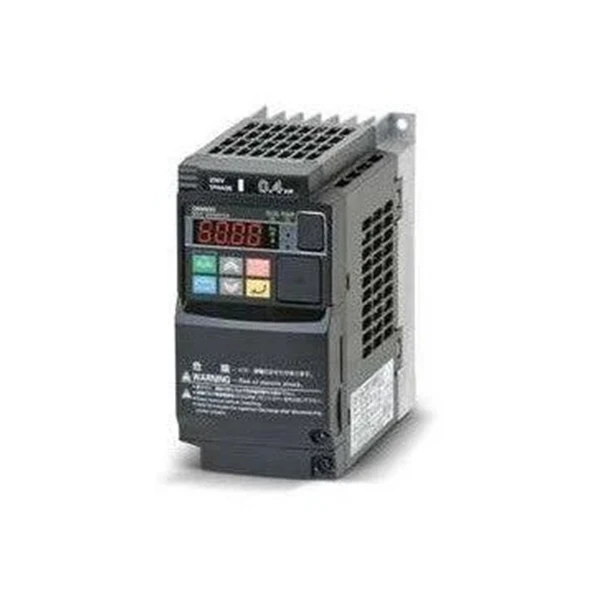

- Initial Cost: The initial cost of a VFD is an important consideration, especially if you're working with a limited budget. Omron offers a range of VFDs with different price points, so you can choose a model that fits your budget. However, it's important to remember that the cheapest option may not always be the best option. You need to consider the long-term value of the VFD, including its reliability, performance, and ease of use.
- Operating Cost: The operating cost of a VFD is another important consideration. A VFD that is energy-efficient can help to reduce your energy costs over the long term. Omron offers a range of VFDs with different energy efficiency ratings, so you can choose a model that is energy-efficient and cost-effective.
- Maintenance Cost: The maintenance cost of a VFD is also an important consideration. A VFD that is easy to maintain can help to reduce your maintenance costs over the long term. Omron offers a range of VFDs with different maintenance requirements, so you can choose a model that is easy to maintain and cost-effective.
Popular Omron VFD Models
To give you an idea of the different Omron VFD models available, here are some popular models and their features:
- Omron 3G3MX2-A4030-E: This VFD is designed for general-purpose applications and offers a power range of 0.4 to 30 kW. It features V/F control, sensorless vector control, and a variety of communication interfaces, including Modbus and Profibus.
- Omron Frequency Inverter 3G3JZ-A4007: This VFD is designed for small to medium-sized applications and offers a power range of 0.1 to 7.5 kW. It features V/F control, sensorless vector control, and a variety of safety features, including overcurrent protection and overvoltage protection.
- 3G3MX2-A2015-E Omron: This VFD is designed for general-purpose applications and offers a power range of 0.2 to 15 kW. It features V/F control, sensorless vector control, and a variety of communication interfaces, including Modbus and Profibus.
Conclusion
Selecting the appropriate model of Omron VFD requires a thorough understanding of your application requirements, an evaluation of the features of different models, and a consideration of the cost and value of each model. By following the guidelines outlined in this blog post, you can make an informed decision and choose the perfect Omron VFD for your application.
If you have any questions or need further assistance in selecting the right Omron VFD for your application, please don't hesitate to contact us. We're here to help you find the perfect solution for your needs.
References
- Omron Corporation. (n.d.). Variable Frequency Drives. Retrieved from [Omron's official website]
- Various industry publications and technical resources on variable frequency drives.


