


Hey there! I'm a supplier of Mitsubishi VFDs (Variable Frequency Drives), and today I'm gonna walk you through how to set up a Mitsubishi VFD for spindle motor speed and torque control. It might seem a bit daunting at first, but trust me, it's not as hard as it sounds.
Understanding the Basics
Before we dive into the setup process, let's quickly go over what a VFD does. A VFD is a device that controls the speed and torque of an electric motor by varying the frequency and voltage supplied to it. This is super useful for spindle motors, as it allows you to adjust the motor's performance based on the specific requirements of your application.
Choosing the Right VFD
The first step in setting up a Mitsubishi VFD for spindle motor control is choosing the right one for your needs. Mitsubishi offers a wide range of VFDs, each with its own set of features and capabilities. Some popular models include the Mitsubishi Fr-e720-0.4k Inverter, the Mitsubishi FR-A540-11K-EC AC Drive, and the Mitsubishi FR-E740-0.4K-CHT.
When choosing a VFD, you'll need to consider factors such as the motor's power rating, the required speed and torque range, and any specific features or functions you need. It's also a good idea to consult with a Mitsubishi VFD expert or refer to the manufacturer's documentation to ensure you select the right model for your application.
Installation
Once you've chosen the right VFD, the next step is to install it. Here are the general steps for installing a Mitsubishi VFD:
- Mount the VFD: Choose a suitable location for the VFD, making sure it's well-ventilated and away from any sources of heat or moisture. Use the mounting brackets provided to secure the VFD to a wall or panel.
- Connect the power supply: Connect the VFD to the power supply using the appropriate cables and terminals. Make sure to follow the manufacturer's instructions and adhere to all electrical safety codes.
- Connect the motor: Connect the VFD to the spindle motor using the appropriate cables and terminals. Again, make sure to follow the manufacturer's instructions and adhere to all electrical safety codes.
- Connect the control signals: Connect any control signals, such as speed setpoints or torque commands, to the VFD using the appropriate cables and terminals. This may involve connecting a potentiometer, a PLC, or other control devices.
Configuration
After installing the VFD, the next step is to configure it for your specific application. Here are the general steps for configuring a Mitsubishi VFD:
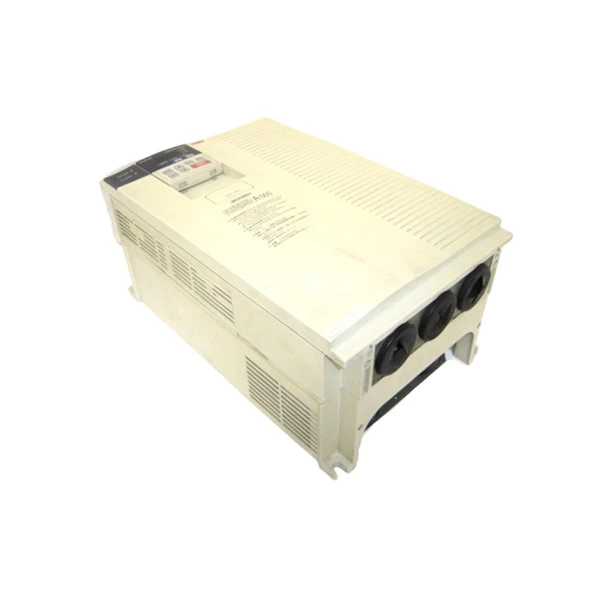
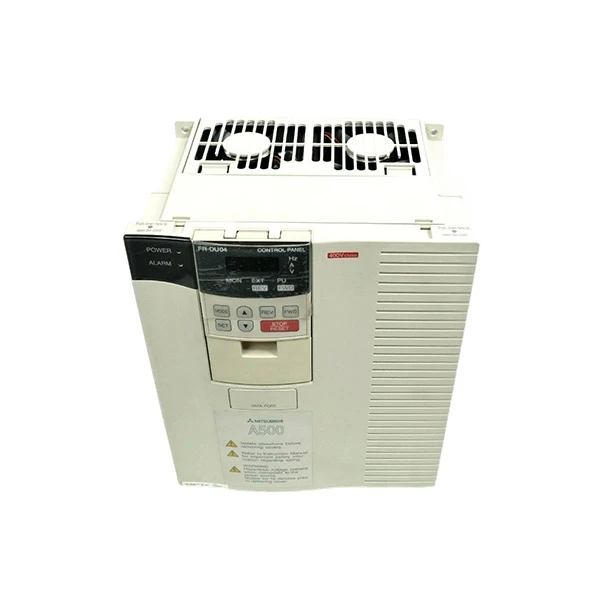
- Power on the VFD: Turn on the power supply to the VFD and wait for it to initialize.
- Access the parameter settings: Use the VFD's keypad or a programming device to access the parameter settings. The parameter settings allow you to customize the VFD's operation based on your specific requirements.
- Set the motor parameters: Enter the motor's rated power, voltage, current, and other parameters into the VFD. This information is used by the VFD to optimize the motor's performance and ensure safe operation.
- Set the speed and torque limits: Set the minimum and maximum speed and torque limits for the spindle motor. This helps to prevent the motor from operating outside of its safe operating range.
- Configure the control mode: Select the appropriate control mode for your application, such as V/F control, vector control, or sensorless vector control. The control mode determines how the VFD regulates the motor's speed and torque.
- Set the acceleration and deceleration times: Set the acceleration and deceleration times for the spindle motor. These times determine how quickly the motor ramps up or down to the desired speed.
- Test the configuration: Once you've configured the VFD, it's a good idea to test it to ensure it's working properly. Start the motor and gradually increase the speed to the desired setpoint. Monitor the motor's performance and make any necessary adjustments to the parameter settings.
Tuning
After configuring the VFD, the next step is to tune it for optimal performance. Tuning involves adjusting the VFD's parameters to optimize the motor's speed and torque control. Here are the general steps for tuning a Mitsubishi VFD:
- Perform an auto-tuning procedure: Many Mitsubishi VFDs have an auto-tuning function that allows the VFD to automatically adjust its parameters based on the motor's characteristics. To perform an auto-tuning procedure, follow the manufacturer's instructions and use the VFD's keypad or a programming device to initiate the procedure.
- Adjust the PID parameters: If the auto-tuning procedure doesn't provide satisfactory results, you may need to manually adjust the VFD's PID (Proportional-Integral-Derivative) parameters. The PID parameters control the VFD's response to changes in the motor's speed and torque.
- Monitor the motor's performance: Use a motor analyzer or other monitoring device to monitor the motor's performance during the tuning process. This allows you to make any necessary adjustments to the VFD's parameters to optimize the motor's performance.
Troubleshooting
Even with proper installation and configuration, you may encounter some issues with your Mitsubishi VFD. Here are some common issues and their possible solutions:
- Motor not starting: Check the power supply, the motor connections, and the VFD's parameter settings to ensure everything is properly connected and configured.
- Motor running too slow or too fast: Check the speed setpoint, the VFD's parameter settings, and the motor's performance to ensure everything is working properly. You may need to adjust the VFD's parameters or the motor's load to achieve the desired speed.
- Motor overheating: Check the motor's ventilation, the VFD's cooling system, and the motor's load to ensure everything is working properly. You may need to increase the ventilation or reduce the motor's load to prevent overheating.
- VFD displaying error messages: Refer to the VFD's user manual or contact a Mitsubishi VFD expert to diagnose and troubleshoot the error message.
Conclusion
Setting up a Mitsubishi VFD for spindle motor speed and torque control is a relatively straightforward process, but it does require some knowledge and expertise. By following the steps outlined in this blog post and referring to the manufacturer's documentation, you should be able to install, configure, and tune your VFD for optimal performance.
If you have any questions or need further assistance, please don't hesitate to contact us. We're here to help you get the most out of your Mitsubishi VFD and ensure your spindle motor operates safely and efficiently. Whether you're a small business owner or a large industrial manufacturer, we have the expertise and experience to provide you with the right VFD solution for your needs. So, if you're looking to purchase a Mitsubishi VFD or need help with installation, configuration, or troubleshooting, feel free to reach out to us. Let's start a conversation and find the best solution for your spindle motor control requirements.
References
- Mitsubishi Electric Corporation. (Year). Mitsubishi VFD User Manual. [Publication details]
- Electrical Safety Codes. [Details of relevant electrical safety codes]


