


Hey there! I'm an ABB PLC supplier, and today I'm gonna share with you how to track product history using ABB PLC. It's a pretty cool topic, and I've got some hands - on experience to back it up.
First off, let's talk about why tracking product history is so important. In the manufacturing world, knowing the history of a product can save you a ton of headaches. It helps with quality control, troubleshooting, and even compliance. For example, if there's a defect in a batch of products, being able to trace back where and when it happened can help you quickly identify the root cause and take corrective actions.

Now, ABB PLCs are some of the best in the business. They're reliable, flexible, and have a whole bunch of features that make product history tracking a breeze.
Setting up the ABB PLC for Tracking
The first step is to configure your ABB PLC properly. You need to define what data you want to track. This could include things like production start and end times, machine settings, and any sensor readings.
Let's say you're using a 2TLA020070R4700 ABB PLC. This PLC has a great memory capacity and can store a large amount of data. You'll want to set up data registers to hold the information you're interested in. For instance, you can use a register to record the temperature reading from a sensor during the production process.
To configure the data registers, you'll need to use the programming software that comes with the ABB PLC. It's user - friendly, even if you're not a programming whiz. You can define the data types, set up the addresses, and specify how often the data should be updated.
Data Collection
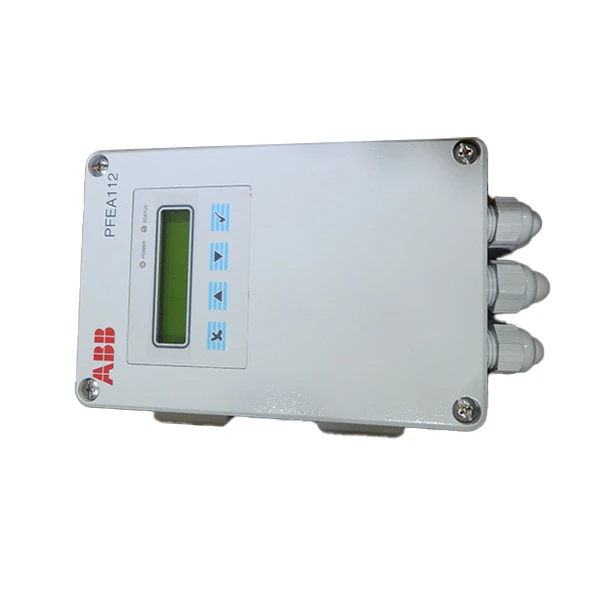
Once your PLC is set up, it's time to start collecting data. The ABB PLC can interface with various sensors and other devices on the production line. For example, if you're using an ABB PFEA112 - 65 3BSE050091R65 power monitoring device, it can send power consumption data to the PLC.
The PLC continuously reads the data from these devices and stores it in the pre - configured data registers. You can set up rules so that only relevant data is stored. For example, if the temperature sensor reading goes out of a certain range, the PLC can record that as an event along with the exact time and the value.
Storing the Data
After collecting the data, you need to store it in a way that it can be easily retrieved later. ABB PLCs support different storage options. You can use internal memory, but for long - term storage and more extensive data, an external storage device or a database is a better option.
You can connect the PLC to a local server or a cloud - based database. There are software tools available that can help you transfer the data from the PLC to the database. Once the data is in the database, it's organized and can be searched easily.
Retrieving and Analyzing the Data
When you need to access the product history, you can use the database management system to query the data. You can search for specific products, time periods, or events. For example, if you want to know the production history of a particular batch of products, you can enter the batch number in the search query.
The data can also be analyzed to find patterns and trends. You can use data analysis tools to create graphs and charts. This can help you understand how different factors affect the production process. For instance, you might notice that power consumption increases during a certain part of the production cycle.
Using Contactor Relays in the Process
Contactor relays play an important role in the overall system. An Abb 1sbh143001r8822 Contactor Relay can be used to control the power supply to different parts of the production line. The PLC can monitor the status of these contactor relays and record any changes.
If a contactor relay fails, the PLC can log the event along with the time and other relevant information. This can be crucial for maintenance purposes. You can quickly identify which relay failed and when, and take steps to replace it.
Challenges and Solutions
Of course, there are some challenges when it comes to tracking product history using ABB PLCs. One common issue is data security. Since you're dealing with sensitive production data, you need to make sure it's protected from unauthorized access. You can use encryption techniques and access control mechanisms to safeguard the data.
Another challenge is data integrity. Sometimes, there can be glitches in the data collection process, leading to inaccurate or incomplete data. To address this, you can implement data validation checks in the PLC programming. The PLC can verify the data before storing it to ensure its accuracy.
Conclusion
Tracking product history using ABB PLCs is a powerful tool for any manufacturing business. It helps you improve quality, reduce downtime, and make better - informed decisions. With the right setup, data collection, storage, and analysis, you can have a comprehensive view of your production process.
If you're interested in learning more about how ABB PLCs can help you track product history or if you're looking to purchase ABB PLC products for your business, don't hesitate to reach out. I'm here to help you with all your ABB PLC needs.
References
- ABB PLC User Manuals
- Industrial Automation Textbooks on PLC Applications
- Data Analysis and Management Guides for Manufacturing


