


Quality control is a critical aspect of any industrial operation, especially when dealing with Programmable Logic Controllers (PLCs) like those from ABB. As a trusted ABB PLC supplier, I understand the importance of ensuring that these high - tech devices meet the highest quality standards. In this blog, I will share some insights on how to use quality control with ABB PLCs.
Understanding the Basics of ABB PLCs
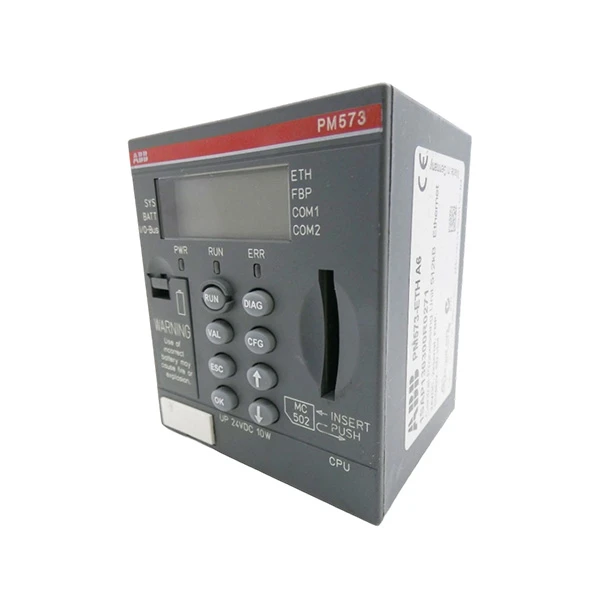
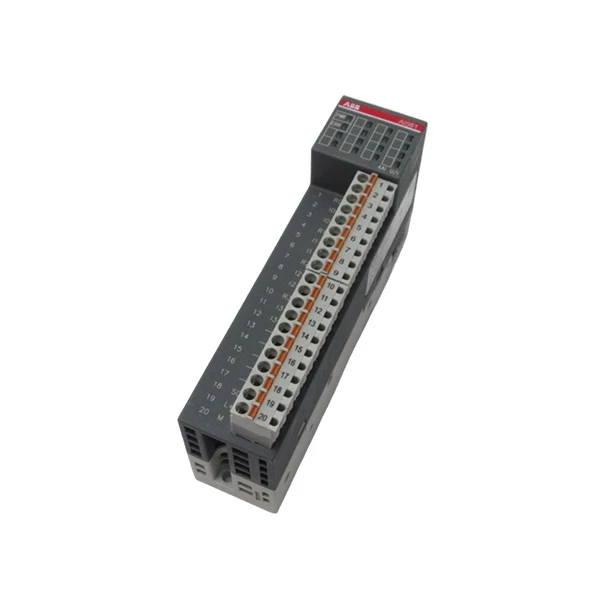
Before delving into quality control, it's essential to have a basic understanding of ABB PLCs. ABB offers a wide range of PLCs, each designed to meet specific industrial needs. For example, the 1TNE968902R1101 ABB - AI561 is an analog input module that provides reliable and accurate input data from various sensors. The ABB PFEA112 - 65 3BSE050091R65 is a power supply module, which is crucial for the stable operation of the entire PLC system. And the 1SAP130300R0271 ABB - PM573 - ETH is a high - performance CPU module with Ethernet connectivity, enabling seamless communication with other devices in the industrial network.
Quality Control in the Procurement Process
As an ABB PLC supplier, the first step in quality control starts at the procurement stage. We source our ABB PLCs directly from authorized channels. This ensures that the products we receive are genuine and have undergone ABB's own strict quality control procedures. When we receive the PLCs, we conduct a visual inspection. We check for any signs of physical damage, such as scratches, dents, or broken parts. Even a minor physical defect could potentially lead to malfunctions in the long run.
We also verify the product's documentation. Each ABB PLC comes with a set of technical manuals, datasheets, and certificates. We carefully review these documents to ensure that the product meets the specified technical requirements. For example, the datasheet provides detailed information about the PLC's input/output capabilities, operating temperature range, and power consumption. By cross - checking these specifications, we can confirm that the product is suitable for the intended industrial application.
In - house Testing
Once the ABB PLCs pass the initial procurement inspection, we conduct in - house testing. This is a crucial part of our quality control process. We have a dedicated testing laboratory equipped with state - of - the - art testing equipment.
For the input/output modules like the 1TNE968902R1101 ABB - AI561, we connect them to simulated sensors and apply different input signals. We then measure the output to ensure that the module is accurately converting the input signals. Any deviation from the expected output could indicate a problem with the module.
When testing power supply modules such as the ABB PFEA112 - 65 3BSE050091R65, we use specialized power analyzers. We test the output voltage stability, ripple factor, and power efficiency. A stable power supply is essential for the proper functioning of the entire PLC system. If the power supply is unreliable, it can cause erratic behavior in the PLC and other connected devices.
For the CPU modules like the 1SAP130300R0271 ABB - PM573 - ETH, we run a series of diagnostic programs. These programs check the CPU's processing speed, memory integrity, and communication capabilities. We also test the Ethernet connectivity to ensure that the module can communicate effectively with other devices in the network.
Quality Control during Installation and Commissioning
When our customers purchase ABB PLCs from us, we also provide installation and commissioning services. During this process, we continue to implement quality control measures.
Before installation, we carefully plan the layout of the PLC system. We ensure that the PLCs are installed in a suitable environment, away from sources of electromagnetic interference, excessive heat, and moisture. The installation location should also provide easy access for maintenance and troubleshooting.
During the commissioning phase, we perform a comprehensive system test. We connect all the PLC modules together and run a series of test programs. These programs simulate real - world industrial scenarios to ensure that the entire PLC system functions as expected. We monitor the system's performance, including input/output responses, communication between modules, and overall system stability.
Continuous Monitoring and Maintenance
Quality control is not a one - time process. It is an ongoing effort. After the ABB PLC system is installed and commissioned, we provide our customers with a maintenance plan.
We recommend regular system checks. This includes monitoring the PLC's operating temperature, power consumption, and input/output status. By continuously monitoring these parameters, we can detect any potential problems early. For example, an increase in operating temperature could indicate a cooling issue or a malfunctioning component.
We also offer software updates for the ABB PLCs. ABB regularly releases software updates to improve the PLC's performance, security, and functionality. By keeping the PLC's software up - to - date, we can ensure that the system remains reliable and efficient.
Importance of Quality Control for Customers
For our customers, using high - quality ABB PLCs is essential for the success of their industrial operations. A reliable PLC system can improve productivity, reduce downtime, and enhance safety.
In a manufacturing plant, for example, a malfunctioning PLC can cause production delays, leading to significant financial losses. By ensuring that the ABB PLCs we supply are of the highest quality, we help our customers avoid these problems. A well - maintained PLC system can also improve product quality. For instance, in a food processing plant, accurate control of temperature and pressure through a reliable PLC can ensure consistent product quality.
Conclusion
In conclusion, quality control is a multi - step process that starts from procurement and continues throughout the entire lifecycle of the ABB PLCs. As an ABB PLC supplier, we are committed to providing our customers with high - quality products and services. Our strict quality control measures ensure that the ABB PLCs we supply are reliable, efficient, and suitable for a wide range of industrial applications.
If you are interested in purchasing ABB PLCs or need more information about our quality control processes, please feel free to contact us for a procurement negotiation. We are always ready to provide you with the best solutions for your industrial needs.
References
- ABB PLC Technical Manuals
- Industrial Automation Quality Control Standards
- Best Practices in PLC Testing and Maintenance


