


In the dynamic landscape of the packaging industry, the choice of Programmable Logic Controllers (PLCs) plays a pivotal role in determining the efficiency, precision, and overall productivity of operations. Omron PLC modules have emerged as a preferred solution for many packaging companies, offering a plethora of advantages that cater to the unique demands of this sector. As a trusted supplier of Omron PLC modules, I am excited to delve into the key benefits that these modules bring to the packaging industry.

1. High - Speed and Precise Control
One of the primary requirements in the packaging industry is the ability to control machines with high speed and precision. Omron PLC modules are engineered to deliver rapid processing times, ensuring that packaging machines can operate at optimal speeds without compromising on accuracy. For instance, in a high - volume packaging line where products need to be filled, sealed, and labeled in quick succession, the Omron CP2E - N30DR - A can handle complex control tasks with ease. Its fast scan time allows for real - time adjustments, enabling the machine to maintain a consistent output rate and package products with exacting precision. This is crucial for industries such as food and beverage, where accurate filling levels and proper sealing are not only important for product quality but also for compliance with regulatory standards.
2. Flexibility and Adaptability
The packaging industry is constantly evolving, with new products, packaging formats, and production requirements emerging regularly. Omron PLC modules offer unparalleled flexibility, allowing packaging machines to be easily reconfigured for different tasks. They support a wide range of input and output options, which means that they can interface with various sensors, actuators, and other peripheral devices. Whether it's a change in the size of the packaging, a new labeling requirement, or an integration with a different conveyor system, Omron PLCs can be programmed to adapt. The NX - CIF105 Omron is a prime example of this flexibility. It can communicate with multiple networks, enabling seamless integration into existing or new production setups. This adaptability reduces the need for costly machine overhauls and allows companies to quickly respond to market changes.
3. Reliability and Durability
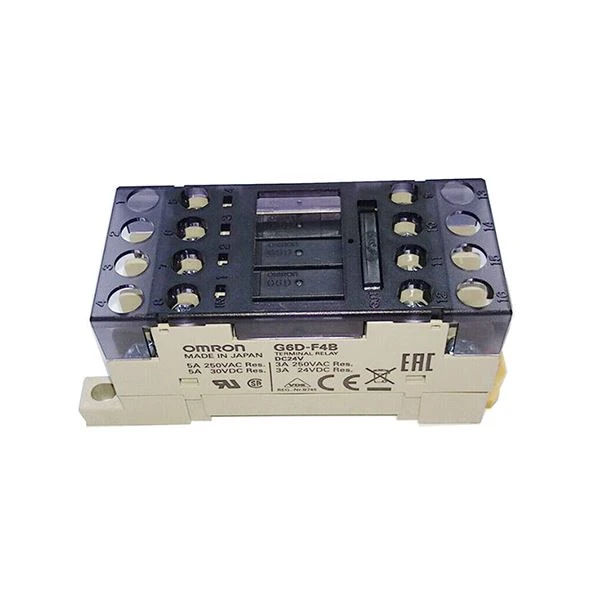
In a 24/7 production environment like the packaging industry, equipment reliability is non - negotiable. Omron PLC modules are known for their robust construction and high - quality components, which ensure long - term reliability. They are designed to withstand harsh industrial conditions, including temperature variations, humidity, and electrical interference. For example, the Omron G6D - F4B DC24 relay module is built to last, with a high contact reliability that minimizes the risk of system failures. This reliability translates into reduced downtime, which is critical for maintaining production schedules and meeting customer demands. Additionally, Omron's extensive quality control measures during manufacturing ensure that each PLC module meets the highest standards of performance and durability.
4. Advanced Diagnostic and Monitoring Capabilities
Effective diagnostic and monitoring are essential for proactive maintenance and efficient troubleshooting in the packaging industry. Omron PLC modules come equipped with advanced diagnostic features that provide real - time information about the status of the machine and its components. These features can detect issues such as sensor malfunctions, actuator failures, or communication errors before they lead to major breakdowns. For example, the PLC can monitor the temperature of critical components, the voltage levels, and the operating time of motors. This data can be used to schedule preventive maintenance, reducing the likelihood of unexpected downtime. Moreover, Omron's monitoring software allows operators to remotely access and analyze the data, enabling them to make informed decisions and take corrective actions quickly.
5. Cost - Effectiveness
While the initial investment in Omron PLC modules may seem significant, they offer long - term cost savings for packaging companies. Their high efficiency and reliability lead to reduced energy consumption, lower maintenance costs, and increased productivity. The flexibility of Omron PLCs also means that companies can avoid the expense of purchasing new machines when production requirements change. Instead, they can simply reprogram the existing PLCs to handle new tasks. Additionally, the advanced diagnostic features help in reducing the cost of downtime by enabling quick identification and resolution of problems. Over time, these cost savings can have a substantial impact on the bottom line of a packaging business.
6. Safety Features
Safety is a top priority in the packaging industry, where workers are often in close proximity to moving machinery. Omron PLC modules are designed with a range of safety features to protect both the operators and the equipment. They support safety - related functions such as emergency stops, safety door interlocks, and light curtain monitoring. These features are integrated into the control system, ensuring that the machine can be safely shut down in case of an emergency. Omron's safety - compliant PLCs also help companies meet strict safety regulations, reducing the risk of fines and legal liabilities.
7. Ease of Programming
Omron PLC modules are user - friendly when it comes to programming. They support industry - standard programming languages such as ladder logic, which is widely used and easy to learn for technicians and engineers. The programming software provided by Omron is intuitive and offers a range of tools for creating, testing, and modifying control programs. This ease of programming means that companies can quickly train their staff to operate and maintain the PLCs, reducing the time and cost associated with programming and system setup.
8. Integration with Other Systems
In modern packaging facilities, PLCs need to integrate seamlessly with other systems such as enterprise resource planning (ERP) systems, manufacturing execution systems (MES), and human - machine interfaces (HMIs). Omron PLC modules support a variety of communication protocols, making it easy to integrate them into a larger production ecosystem. This integration allows for better data sharing and coordination between different parts of the production process, enabling more efficient overall operation. For example, the PLC can send production data to the MES for analysis and reporting, while receiving instructions from the ERP system regarding production schedules.
Contact for Procurement
If you are in the packaging industry and looking to enhance the performance of your packaging machines, the advantages of using Omron PLC modules are clear. As a reliable supplier of Omron PLC modules, I am ready to assist you in finding the right solutions for your specific needs. Whether you need a single module for a small - scale operation or a comprehensive control system for a large - scale production line, I can provide you with high - quality products and expert advice. Please reach out to discuss your requirements and start a fruitful procurement negotiation.
References
- Omron Corporation. (2023). Omron PLC Product Manuals.
- Packaging World. (2023). Trends in Packaging Automation.
- Industrial Engineering Magazine. (2023). The Role of PLCs in Modern Manufacturing.


