


Hey there! As a supplier of Omron PLC modules, I've seen firsthand how these nifty devices are revolutionizing the automotive industry. In this blog, I'm gonna break down the application features of Omron PLC modules in the automotive world.
1. Precision Control in Assembly Lines
One of the key areas where Omron PLC modules shine is in automotive assembly lines. These lines are like the heart of a car manufacturing plant, where various components come together to form a complete vehicle. Omron PLCs offer precise control over the movement of conveyor belts, robotic arms, and other automated equipment.
Let's take the example of installing engines. The CP1W - DA041 Omron module can be used to control the hydraulic systems that lift and position the engine precisely into the chassis. It can adjust the speed and force of the hydraulic cylinders with high accuracy, ensuring that the engine is installed correctly every time. This not only improves the quality of the assembly but also reduces the risk of damage to the components.
In addition, Omron PLCs can synchronize the actions of multiple robotic arms. For instance, one arm might be responsible for attaching the doors, while another is installing the dashboard. The PLC ensures that these actions are coordinated in a seamless manner, minimizing the time between each step and increasing the overall production efficiency.
2. Quality Control and Testing
Quality control is a top priority in the automotive industry. Omron PLC modules play a crucial role in this aspect by monitoring and controlling various testing processes.
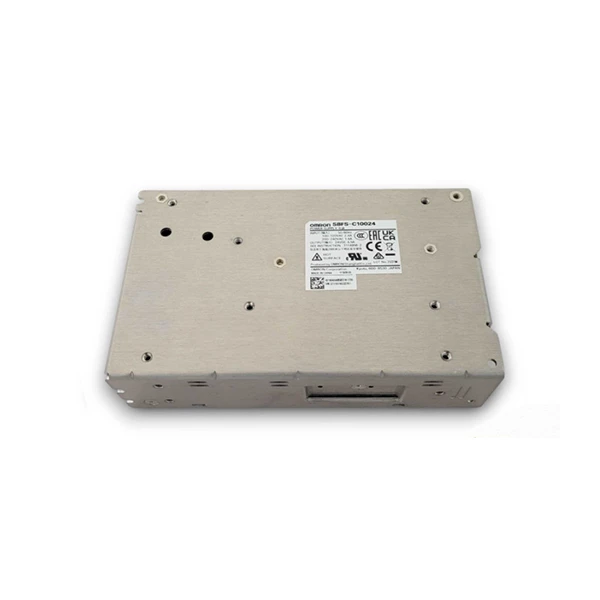
During the painting process, for example, the Omron S8FS - C10024 power supply module can ensure a stable power source for the sensors and actuators used in the painting equipment. This stability is essential for accurate paint application and thickness measurement. The PLC can also control the movement of the painting robots, making sure that the paint is applied evenly across the entire surface of the car body.

In the final testing phase, Omron PLCs are used to monitor the performance of various systems in the vehicle, such as the electrical system, braking system, and engine performance. They can collect data from sensors placed throughout the car and compare it with the pre - set standards. If any deviation is detected, the PLC can trigger an alarm or even stop the production line to prevent defective vehicles from leaving the factory.
3. Flexibility in Production
The automotive industry is constantly evolving, with new models and features being introduced regularly. Omron PLC modules offer the flexibility needed to adapt to these changes quickly.
PLCs can be easily reprogrammed to accommodate different production requirements. For example, if a car manufacturer decides to produce a new model with a different engine layout, the PLC controlling the engine assembly line can be reprogrammed to adjust the movement of the robotic arms and the operation of the conveyor belts. This means that the same production line can be used to manufacture multiple models, reducing the need for expensive re - tooling.
Moreover, Omron PLCs support modular design. This allows manufacturers to add or remove modules as needed, depending on the complexity of the production process. For example, if a new testing procedure is introduced, a new input/output module can be added to the PLC system to handle the additional sensors and data.
4. Communication and Integration
In modern automotive manufacturing plants, different systems and equipment need to communicate with each other seamlessly. Omron PLC modules have excellent communication capabilities, which enable them to integrate with other devices and systems.
The Omron CJ1W - SCU42 communication module, for example, can establish connections with other PLCs, sensors, and actuators using various communication protocols such as Ethernet, Modbus, and Profibus. This allows for real - time data exchange between different parts of the production line.
For instance, the PLC in the welding station can communicate with the PLC in the body assembly station. The welding station can send information about the quality of the welds to the body assembly station, which can then adjust its operation accordingly. This kind of integration improves the overall efficiency and quality of the production process.
5. Safety and Reliability
Safety is of utmost importance in the automotive industry, especially in a manufacturing environment where heavy machinery and high - voltage equipment are used. Omron PLC modules are designed with safety features to protect both the workers and the equipment.
PLCs can monitor the status of safety devices such as emergency stop buttons, safety gates, and light curtains. If any of these devices are triggered, the PLC can immediately stop the operation of the relevant equipment to prevent accidents. In addition, Omron PLCs have built - in diagnostic functions that can detect faults in the system early on. They can display error messages and provide troubleshooting guidance, reducing the downtime of the production line.
The reliability of Omron PLC modules is also a major advantage. They are built to withstand harsh industrial environments, including high temperatures, vibrations, and electromagnetic interference. This means that they can operate continuously for long periods without breakdowns, ensuring the smooth running of the automotive production process.
Why Choose Our Omron PLC Modules?
As a supplier of Omron PLC modules, we offer a wide range of products to meet the diverse needs of the automotive industry. Our team of experts has in - depth knowledge of Omron PLCs and can provide professional technical support and after - sales service.
We understand that every automotive manufacturer has unique requirements, and we are committed to working closely with our customers to find the best solutions for their production processes. Whether you need a simple PLC system for a small - scale assembly line or a complex, integrated system for a large - scale manufacturing plant, we've got you covered.
If you're interested in learning more about our Omron PLC modules or have any questions about their application in the automotive industry, don't hesitate to get in touch. We're here to help you take your automotive production to the next level. Contact us today to start a discussion about your specific needs and how our products can benefit your business.
References
- Omron Corporation. Omron PLC User Manuals.
- Automotive Manufacturing Technology Journals. Articles on the application of PLCs in automotive production.
- Industry reports on automotive manufacturing trends and the role of automation.


