


When it comes to industrial operations, the noise level of equipment is a crucial factor that can impact the working environment, employee comfort, and even compliance with noise regulations. As a supplier of Allen - Bradley Variable Frequency Drives (VFDs), I often receive inquiries about the noise level of these drives during operation. In this blog, I'll delve into what determines the noise level of an Allen - Bradley VFD, the typical noise levels you can expect, and how to manage and mitigate noise if necessary.
What Causes Noise in Allen - Bradley VFDs
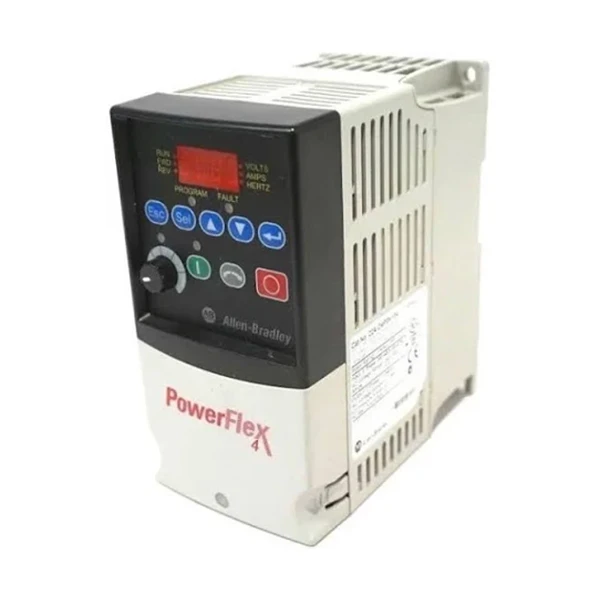
Allen - Bradley VFDs are sophisticated electronic devices used to control the speed and torque of electric motors. Several factors contribute to the noise generated during their operation.
1. Cooling Fans
One of the primary sources of noise in VFDs is the cooling fans. These fans are essential for dissipating the heat generated by the power electronics inside the drive. As the fans spin, they move air, and the interaction between the fan blades and the air creates aerodynamic noise. The speed of the fan, the design of the blades, and the size of the fan all play a role in the level of noise produced. For example, a larger fan running at a high speed will generally produce more noise than a smaller fan operating at a lower speed.
2. Power Electronics
The power electronics components within the VFD, such as the insulated - gate bipolar transistors (IGBTs), also contribute to the noise. When these components switch on and off at high frequencies, they generate electrical noise. This electrical noise can manifest as a high - pitched whine or a buzzing sound. The switching frequency of the IGBTs is a critical factor; higher switching frequencies can lead to increased electrical noise.
3. Magnetic Fields
The magnetic fields generated by the inductors and transformers in the VFD can also cause noise. These magnetic fields can cause the components to vibrate, which in turn produces audible noise. The design and construction of the magnetic components, as well as the operating conditions of the VFD, can affect the level of magnetic noise.
Typical Noise Levels of Allen - Bradley VFDs
The noise level of an Allen - Bradley VFD can vary depending on the model, size, and operating conditions. Generally, the noise levels of these drives are specified in decibels (dB(A)). The dB(A) scale is a weighted scale that takes into account the frequency response of the human ear, making it a more accurate measure of how loud a sound is perceived.
For smaller Allen - Bradley VFDs, such as the Allen - Bradley 22A - D4P0N104, the noise level during normal operation is typically in the range of 50 - 60 dB(A). This is comparable to the noise level of a normal conversation in a quiet room. These smaller drives usually have smaller cooling fans and lower power ratings, which results in less noise generation.
Medium - sized VFDs, like the Allen - Bradley 22C - D045A103, may have noise levels in the range of 60 - 70 dB(A). This is similar to the noise level of a busy office environment. These drives have more power and may require larger cooling fans to maintain proper operating temperatures, which can contribute to the increased noise level.
Larger Allen - Bradley VFDs, such as the Allen - Bradley 22F - D4P2N103 VFD, can produce noise levels up to 70 - 80 dB(A). This is comparable to the noise level of a vacuum cleaner. The larger size and higher power of these drives mean that they have more powerful cooling fans and larger power electronics components, which can generate more noise.
Measuring the Noise Level of an Allen - Bradley VFD
To accurately measure the noise level of an Allen - Bradley VFD, you need to use a sound level meter. Here are the steps to follow:
1. Select the Right Location
Place the sound level meter at a distance of about 1 meter from the VFD. Make sure the meter is at the same height as the center of the VFD. The location should be free from other sources of noise, such as other equipment or traffic outside.
2. Set the Sound Level Meter
Set the sound level meter to the A - weighting scale (dB(A)) to measure the noise in a way that is relevant to human perception. Also, set the meter to the slow - response mode to get an average reading of the noise level.
3. Take the Measurement
Turn on the VFD and let it reach its normal operating state. Then, take the noise level measurement. Wait for a few minutes to ensure that the reading stabilizes. Record the maximum and average noise levels.

Managing and Mitigating Noise from Allen - Bradley VFDs
If the noise level of an Allen - Bradley VFD is a concern, there are several strategies you can use to manage and mitigate it.
1. Select the Right VFD
When choosing an Allen - Bradley VFD, consider the noise level specifications. Some models are designed to be quieter than others. For example, drives with lower power ratings and more efficient cooling systems tend to produce less noise.
2. Installation
Proper installation of the VFD can also help reduce noise. Mount the VFD on a vibration - isolating pad to reduce the transmission of vibrations to the surrounding structure. Make sure the VFD is installed in a well - ventilated area to prevent the fans from having to work harder, which can increase noise.
3. Noise Enclosures
Using a noise enclosure around the VFD can significantly reduce the noise level. These enclosures are designed to absorb and block the sound waves. They are typically made of materials with good sound - absorbing properties, such as fiberglass or acoustic foam.
4. Maintenance
Regular maintenance of the VFD can also help keep the noise level in check. Clean the cooling fans regularly to remove dust and debris, which can cause the fans to run less efficiently and produce more noise. Check the VFD for any loose components or abnormal vibrations, as these can also contribute to increased noise.
Conclusion
The noise level of an Allen - Bradley VFD is influenced by several factors, including the cooling fans, power electronics, and magnetic fields. By understanding these factors and taking appropriate measures, you can manage and mitigate the noise generated by the VFD. As a supplier of Allen - Bradley VFDs, I can provide you with detailed information about the noise level specifications of different models and offer advice on how to choose the right VFD for your application.
If you are interested in purchasing an Allen - Bradley VFD and have concerns about the noise level, I encourage you to contact me for a detailed discussion. I can help you select the most suitable VFD for your needs and provide you with solutions to manage the noise.
References
- Allen - Bradley VFD product manuals
- Sound level meter user guides
- Industrial noise control standards and regulations


