


Yo, what's up! I'm an industry insider and a supplier of Mitsubishi HMI (Human - Machine Interface) screens. Today, I wanna dig deep into the resolution of Mitsubishi HMI screens. It's a topic that many of my clients often ask about, and it's super important when it comes to choosing the right HMI for your industrial needs.
Let's start with the basics. Resolution, in simple terms, refers to the number of pixels that a screen can display. It's usually expressed as the number of horizontal pixels multiplied by the number of vertical pixels. For example, a screen with a resolution of 800x600 means it has 800 pixels horizontally and 600 pixels vertically. A higher resolution generally means a clearer, more detailed image.
Mitsubishi offers a wide range of HMI screens, each with different resolutions to meet various industrial requirements. Take the Mitsubishi GOT 1000 GT1695M - XTBA for instance. This baby comes with a pretty decent resolution that allows for sharp graphics and easy - to - read text. The high - resolution display is great for applications where you need to show detailed process diagrams, equipment statuses, or real - time data. You won't have to squint your eyes trying to make out what's on the screen. Whether you're in a control room or on the factory floor, the clear display of this HMI can make your work a whole lot easier.
Another popular model is the Mitsubishi GT2710 - STBA GOT2000. It has a resolution that's optimized for both industrial control and visualization. With this HMI, you can create interactive dashboards with high - quality images and smooth animations. This is especially useful in modern manufacturing environments where operators need to monitor multiple processes simultaneously. The high - res screen ensures that all the information is presented in a clear and organized manner, reducing the chances of errors and improving overall efficiency.
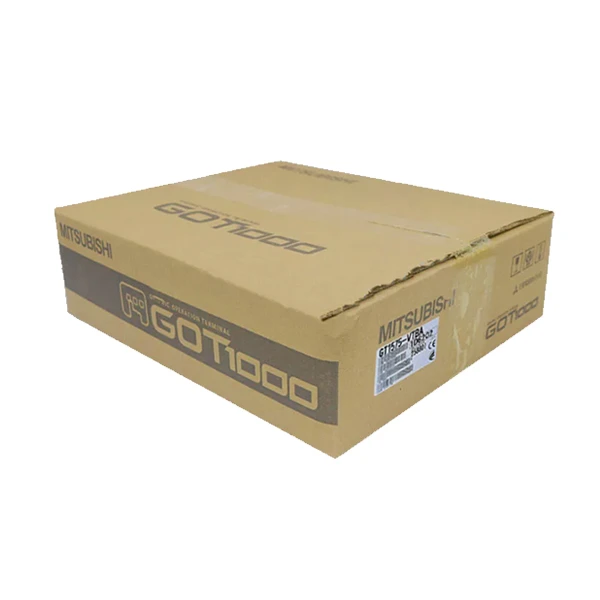
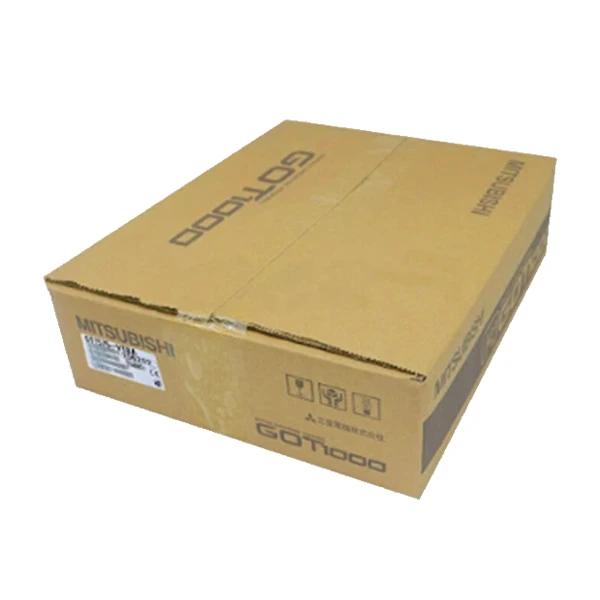
Now, let's talk about the Mitsubishi GT1575 - VTBA. This one is designed for applications that require a balance between cost - effectiveness and good visual performance. Its resolution is sufficient for most industrial applications, providing a clear view of important data such as temperature, pressure, and speed readings. It's a reliable choice for small to medium - sized industrial setups where you don't need the ultra - high - end features but still want a quality HMI with a decent display.
But why does resolution matter so much in industrial HMIs? Well, first of all, in an industrial environment, accurate information is crucial. A low - resolution screen might make it difficult to distinguish between different data points or read small text. This can lead to misinterpretation of information, which in turn can cause production delays, equipment damage, or even safety hazards.
Secondly, as technology advances, industrial processes are becoming more complex. Operators need to be able to monitor and control multiple parameters at the same time. A high - resolution HMI screen can display more information in a single view, reducing the need to switch between different screens or pages. This saves time and improves the operator's ability to respond quickly to any issues that may arise.
Moreover, a good - looking HMI with a high - resolution display can also enhance the overall user experience. It makes the control system more intuitive and user - friendly, which is important for attracting and retaining skilled operators.
When choosing a Mitsubishi HMI screen based on resolution, you also need to consider other factors. For example, the size of the screen matters. A larger screen with a lower resolution might look pixelated, while a smaller screen with a high resolution can offer a very sharp image. You also need to think about the lighting conditions in the environment where the HMI will be used. In bright areas, a high - contrast, high - resolution screen will be more visible.
Another aspect to consider is the compatibility with your existing industrial control system. Make sure that the HMI you choose can communicate effectively with your PLC (Programmable Logic Controller) and other equipment. Mitsubishi HMIs are known for their excellent compatibility, but it's still something you should double - check.
In conclusion, the resolution of Mitsubishi HMI screens plays a vital role in the performance and usability of industrial control systems. Whether you're looking for a high - end model for a complex manufacturing process or a more budget - friendly option for a small - scale operation, Mitsubishi has a wide range of HMIs with different resolutions to suit your needs.
If you're in the market for a Mitsubishi HMI screen and have questions about resolution or any other features, feel free to reach out. We can have a detailed discussion about your specific requirements and find the perfect HMI for your business. Don't hesitate to start the conversation and let's work together to improve your industrial control system.
References:
- Mitsubishi Electric official product documentation
- Industry reports on HMI technology and applications


