


Hey there! As a supplier of Siemens HMI, I often get asked about how the lifespan of Siemens HMI stacks up against other brands. So, I thought I'd take a deep dive into this topic and share my insights with you all.
First off, let's talk about what HMI is. HMI stands for Human - Machine Interface. It's a crucial component in industrial automation, allowing operators to interact with machines and systems. Think of it as the bridge between humans and the complex machinery in factories, power plants, and other industrial settings.
Siemens is a well - known name in the industrial world, and their HMIs are no exception. They've been around for ages, and they've built a solid reputation for quality and reliability. But how does this translate into lifespan?
Let's start by looking at some of the factors that affect the lifespan of an HMI. One of the main factors is the build quality. Siemens HMIs are built like tanks. They use high - quality materials in their construction. For example, the display panels are made to withstand harsh industrial environments, including high temperatures, humidity, and dust. The internal components are also carefully selected and tested to ensure long - term performance.
Another important factor is the technology behind the HMI. Siemens invests a lot in R & D. They're constantly updating their HMIs with the latest technology to improve performance and reliability. This means that their HMIs are less likely to become obsolete quickly. For instance, they use advanced processors and software algorithms that can handle complex tasks efficiently, reducing the wear and tear on the system.
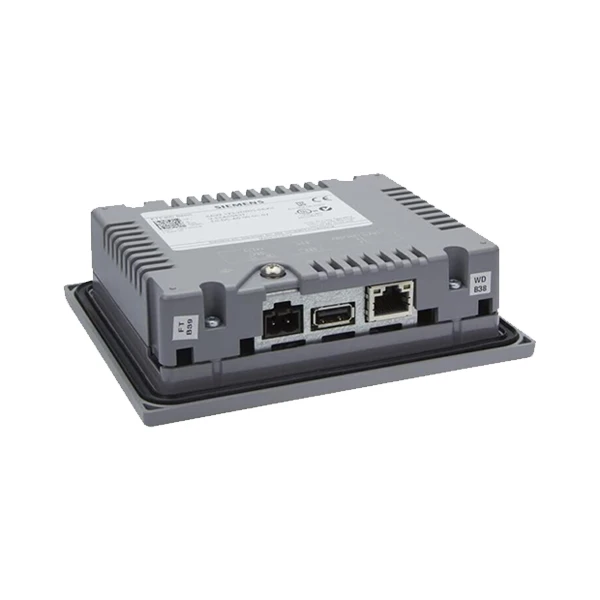
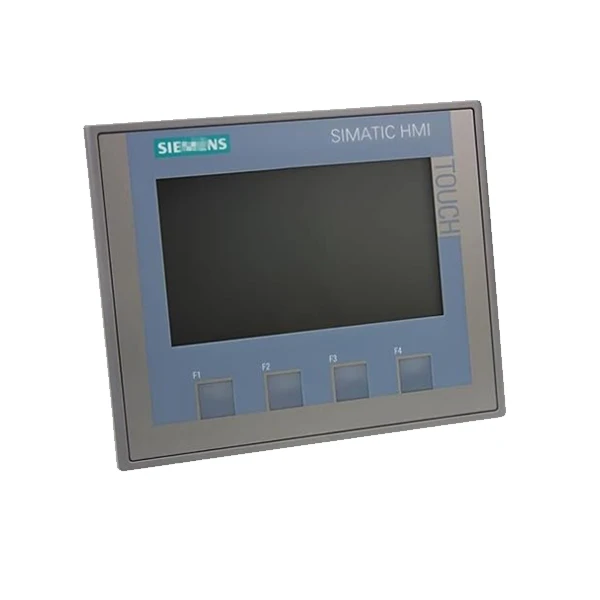
Now, let's take a look at some specific Siemens HMI models. The SIMATIC HMI KTP400 Basic is a popular choice in many industrial applications. It's designed to be compact and user - friendly, but don't let its size fool you. It has a robust build and can last for a long time. The display is bright and clear, and it's resistant to scratches and other physical damage.
The Siemens SIMATIC HMI TD 200 is another classic. It's been around for a while, and it's known for its reliability. It's simple to use, which makes it a great option for small - scale industrial operations. Despite its simplicity, it's built to last. The buttons are durable, and the overall design is sturdy.
The Siemens 6AV6641 - 0AA11 - 0AX0 SIMATIC HMI is a more advanced model. It offers a larger display and more features compared to the other two. It's suitable for more complex industrial processes. With its high - end components and advanced software, it has a long lifespan and can handle heavy - duty use.
So, how does Siemens stack up against other brands? Well, there are many other HMI brands out there, and some of them are also very good. However, when it comes to lifespan, Siemens has an edge in several ways.
Some other brands might cut corners on build quality to reduce costs. This can lead to shorter lifespans, especially in harsh industrial environments. Siemens, on the other hand, doesn't compromise on quality. They know that their customers rely on their HMIs for critical operations, so they make sure that their products can stand the test of time.
In terms of technology, some brands might not be as quick to adopt the latest advancements. This can result in their HMIs becoming outdated faster. Siemens, with its strong R & D capabilities, is always at the forefront of technology, ensuring that their HMIs remain relevant and reliable for a longer period.
Another aspect is customer support. Siemens has a global network of support teams. If you have any issues with your HMI, you can get help quickly. This also contributes to the overall lifespan of the HMI because timely maintenance and support can prevent small problems from turning into big ones.
Of course, the lifespan of an HMI also depends on how it's used and maintained. If you use an HMI in a very harsh environment without proper protection, even a Siemens HMI might not last as long as it should. Regular maintenance, such as cleaning the display and checking the internal components, is essential for maximizing the lifespan of any HMI.
Let's talk about some real - world examples. I've had customers who've been using Siemens HMIs for over 10 years in their factories. These HMIs are still working perfectly fine, even though they've been through a lot. On the other hand, I've also heard stories from customers who've had to replace other brand HMIs after just a few years due to various issues like display failures or software glitches.
So, if you're in the market for an HMI, and you're looking for a product that will last, Siemens is definitely a great choice. Their HMIs offer a combination of high - quality build, advanced technology, and excellent customer support, all of which contribute to a long lifespan.
If you're interested in learning more about Siemens HMIs or if you're thinking about making a purchase, I'd love to have a chat with you. I can provide you with more detailed information about the different models, their features, and how they can fit into your specific industrial needs. Whether you're a small business or a large corporation, I'm here to help you find the right HMI solution.
In conclusion, when it comes to the lifespan of HMIs, Siemens stands out from the crowd. Their commitment to quality and innovation ensures that their HMIs can serve you well for many years to come. So, don't hesitate to reach out if you're ready to take your industrial automation to the next level with a reliable Siemens HMI.
References
- Industrial Automation Handbook
- Siemens HMI Product Manuals


