


Hey there! As a supplier of Mitsubishi VFDs, I've had my fair share of experiences configuring these drives for crane operations. It can be a bit of a tricky process, but with the right know - how, you can get your crane up and running smoothly. In this blog, I'll walk you through the steps to configure a Mitsubishi VFD for crane operations.
Understanding the Basics
First things first, let's talk about what a VFD (Variable Frequency Drive) is. A VFD is a device that controls the speed and torque of an electric motor by varying the frequency and voltage of the power supplied to it. For crane operations, this is super important because it allows for precise control of the crane's movement.
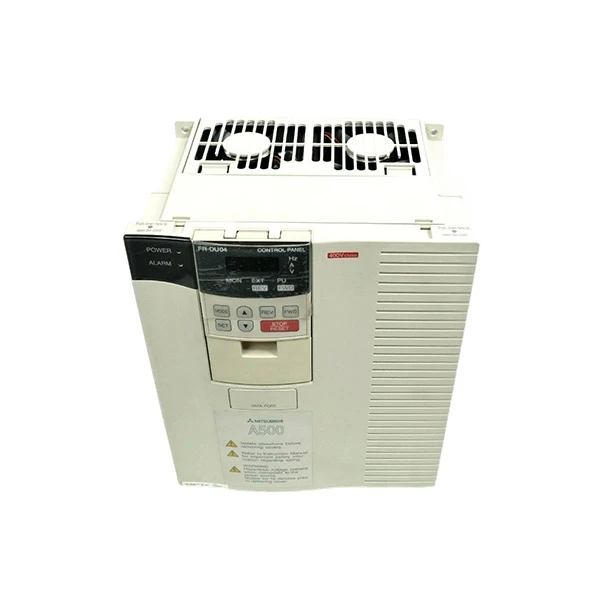
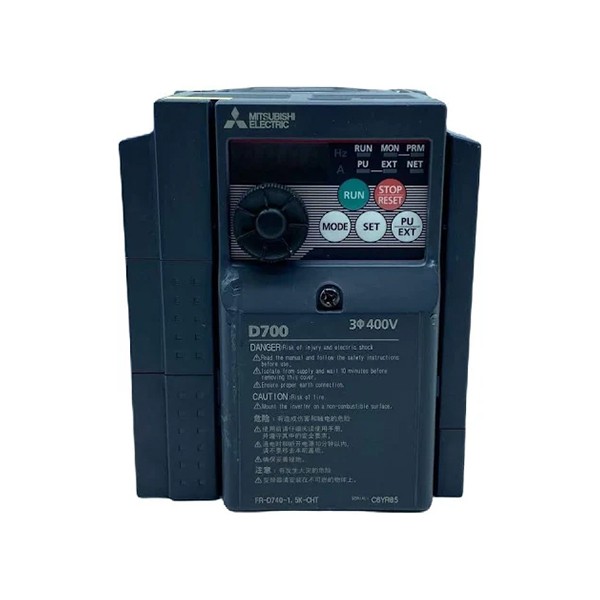
Mitsubishi offers a wide range of VFDs that are suitable for crane applications. Some popular models include the Mitsubishi FR - A8NCE, Mitsubishi FR - D740 - 1.5K - CHT VFD, and Mitsubishi FR - A540 - 11K - EC AC Drive. Each of these drives has its own features and capabilities, so it's essential to choose the one that best fits your crane's requirements.
Pre - configuration Checks
Before you start configuring the VFD, there are a few checks you need to do. First, make sure the VFD is properly installed. Check the wiring to ensure that all connections are secure and that there are no loose wires. Also, verify that the power supply to the VFD is correct. The voltage and frequency of the power supply should match the specifications of the VFD.
Next, you'll want to check the motor. The motor should be in good working condition, and its rated power, voltage, and frequency should be compatible with the VFD. You can refer to the motor's nameplate for this information.
Initial Setup of the VFD
Once you've completed the pre - configuration checks, it's time to start the initial setup of the VFD. Most Mitsubishi VFDs come with a built - in keypad or can be configured using a programming software.
- Power On the VFD: Connect the VFD to the power supply and turn it on. The VFD will go through a self - diagnostic process. If there are any errors, the VFD will display an error code on the keypad. You'll need to refer to the VFD's manual to troubleshoot these errors.
- Set the Operating Mode: The VFD can operate in different modes, such as V/F control, vector control, or sensorless vector control. For crane operations, vector control or sensorless vector control is usually preferred because they offer better torque control and speed regulation. You can set the operating mode through the VFD's parameter settings.
- Set the Motor Parameters: Enter the motor's rated power, voltage, current, frequency, and number of poles into the VFD's parameter settings. These parameters are crucial for the VFD to control the motor accurately.
Configuring for Crane - Specific Functions
Now, let's get into the crane - specific configurations.
- Speed Control: Cranes require precise speed control for different operations, such as lifting, lowering, and traversing. You'll need to set the maximum and minimum speeds of the motor in the VFD's parameter settings. You can also set up multi - speed operation if your crane has different speed requirements for different tasks.
- Torque Control: Torque control is essential for crane operations, especially when lifting heavy loads. You can set the maximum torque limit in the VFD's parameters to prevent the motor from overloading. Additionally, you can configure the VFD to provide additional torque during the start - up phase to ensure smooth lifting.
- Braking Function: Cranes need a reliable braking system to hold the load in place. Mitsubishi VFDs offer different braking options, such as dynamic braking and regenerative braking. You'll need to configure the braking parameters according to your crane's requirements. For example, you can set the braking torque and the braking time.
- Safety Functions: Safety is of utmost importance in crane operations. You can configure the VFD to include safety functions such as over - current protection, over - voltage protection, under - voltage protection, and over - temperature protection. These functions will help prevent damage to the VFD and the motor in case of abnormal operating conditions.
Testing and Commissioning
After you've completed the configuration, it's time to test the VFD and the crane. Start with a simple test, such as running the motor at a low speed. Observe the motor's operation and check if the speed and torque are within the expected range.
Next, you can perform a more comprehensive test by simulating different crane operations, such as lifting and lowering a load. During the test, pay close attention to any abnormal noises, vibrations, or changes in the motor's performance. If you notice any issues, you may need to go back and adjust the VFD's parameters.
Once you're satisfied with the test results, you can commission the crane for normal operation. However, it's a good idea to monitor the crane's performance closely in the initial days of operation to ensure everything is working as expected.
Troubleshooting
Even after proper configuration and testing, you may encounter some issues with the VFD or the crane. Here are some common problems and their solutions:
- Error Codes: If the VFD displays an error code, refer to the VFD's manual to identify the cause of the error. Some common error codes are related to over - current, over - voltage, or motor overload. You may need to check the wiring, the motor, or adjust the VFD's parameters to resolve these issues.
- Poor Speed Regulation: If the motor's speed is not regulating properly, it could be due to incorrect motor parameters or a problem with the VFD's control algorithm. You may need to double - check the motor parameters and adjust the speed control parameters in the VFD.
- Braking Problems: If the braking system is not working correctly, check the braking parameters in the VFD. You may need to increase the braking torque or adjust the braking time.
Conclusion
Configuring a Mitsubishi VFD for crane operations is a detailed process that requires careful attention to detail. By following the steps outlined in this blog, you can ensure that your crane operates safely and efficiently.
If you're in the market for a Mitsubishi VFD for your crane or need help with the configuration process, don't hesitate to reach out. We're here to assist you with all your VFD needs, from product selection to after - sales support. Let's work together to get your crane up and running at its best.
References
- Mitsubishi Electric VFD User Manuals
- Crane Operation and Safety Guidelines


