


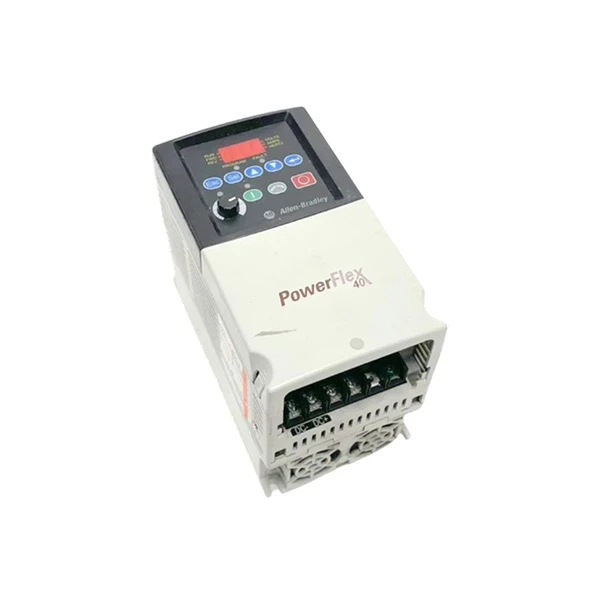
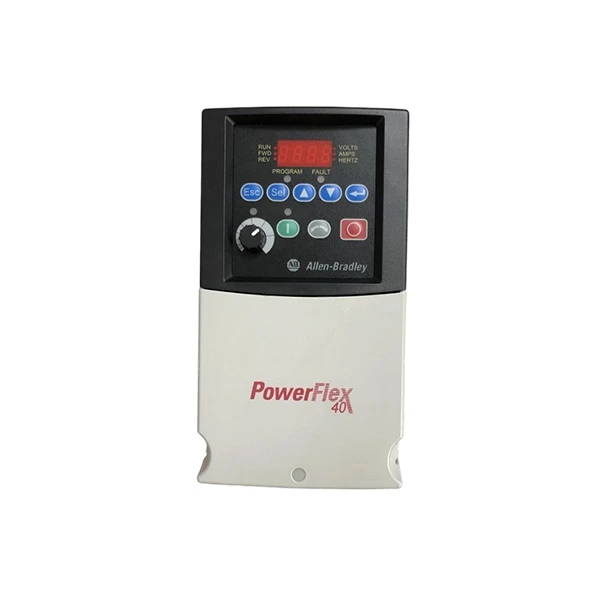
As a trusted supplier of Allen - Bradley Variable Frequency Drives (VFDs), I often receive inquiries from customers about the normal operating temperature range of these high - performance devices. Understanding the temperature range is crucial for ensuring the reliability, efficiency, and longevity of the VFDs. In this blog, I will delve into the details of the normal operating temperature range for Allen - Bradley VFDs, factors that can affect this range, and how to maintain optimal operating conditions.
Normal Operating Temperature Range
Allen - Bradley VFDs are designed to operate within a specific temperature range to guarantee their proper functionality. Generally, the normal ambient temperature range for most Allen - Bradley VFDs is between - 20°C to 60°C (- 4°F to 140°F). However, it's important to note that this range can vary depending on the specific model and series of the VFD.
For instance, the Allen - Bradley 22B - D010N104 is engineered to perform efficiently within a certain subset of this general temperature range. Its internal components are calibrated to handle temperature - related stress within the specified limits. Similarly, the Allen - Bradley 22C - D045A103 and Allen - Bradley 25B - D6P0N104 also have their own defined temperature ranges that are optimized for their respective power ratings and applications.
Impact of Temperature on VFD Performance
High Temperatures
When the ambient temperature exceeds the upper limit of the operating range, several issues can arise. High temperatures can cause the internal components of the VFD, such as capacitors, resistors, and semiconductors, to degrade more rapidly. Capacitors, for example, are sensitive to heat. Excessive heat can cause the electrolyte inside the capacitor to evaporate, leading to a decrease in capacitance and an increase in equivalent series resistance (ESR). This can result in reduced efficiency, increased power consumption, and even premature failure of the VFD.
Moreover, high temperatures can also affect the cooling system of the VFD. Most VFDs are equipped with fans or heat sinks to dissipate heat. If the ambient temperature is too high, the cooling system may not be able to remove heat effectively, causing the internal temperature of the VFD to rise further. This can trigger over - temperature protection mechanisms, which may shut down the VFD to prevent damage.
Low Temperatures
On the other hand, low temperatures can also pose challenges. At extremely low temperatures, the viscosity of lubricants used in the VFD's moving parts (if any) can increase, leading to increased friction and wear. Additionally, some electronic components may experience changes in their electrical properties at low temperatures. For example, the conductivity of certain materials may decrease, which can affect the performance of the VFD's control circuits.
Factors Affecting the Operating Temperature Range
Installation Environment
The location where the VFD is installed plays a significant role in determining its operating temperature. If the VFD is installed in a confined space with poor ventilation, heat will accumulate more easily, causing the ambient temperature to rise. In contrast, installing the VFD in a well - ventilated area with proper airflow can help maintain a lower operating temperature.
Industrial environments can also introduce additional heat sources. For example, if the VFD is installed near large motors or other heat - generating equipment, the ambient temperature around the VFD will be higher. In such cases, it may be necessary to install additional cooling equipment, such as air conditioners or fans, to keep the temperature within the acceptable range.
Load Conditions
The load on the VFD can also impact its operating temperature. When the VFD is operating at full load, it generates more heat compared to when it is operating at a partial load. Therefore, if the VFD is frequently subjected to high - load conditions, it will be exposed to higher temperatures. It's important to size the VFD correctly for the application to ensure that it can handle the expected load without overheating.
Duty Cycle
The duty cycle of the VFD, which refers to the ratio of the time the VFD is operating under load to the total time, also affects its temperature. A VFD with a high - duty cycle will generate more heat over time compared to one with a low - duty cycle. For applications where the VFD is required to operate continuously at a high load, additional cooling measures may be necessary.
Maintaining Optimal Operating Conditions
Proper Ventilation
Ensuring proper ventilation is one of the most effective ways to maintain the operating temperature of the VFD within the acceptable range. This can be achieved by installing the VFD in a cabinet with ventilation slots or by using external fans to provide forced air circulation. It's also important to keep the ventilation paths clear of any obstructions, such as dust or debris.
Temperature Monitoring
Regularly monitoring the temperature of the VFD is essential for detecting any potential issues early. Many Allen - Bradley VFDs are equipped with built - in temperature sensors that can provide real - time temperature readings. By monitoring these readings, operators can take proactive measures, such as adjusting the load or increasing the cooling, if the temperature approaches the upper limit of the operating range.
Cooling Equipment
In some cases, additional cooling equipment may be required to maintain the optimal operating temperature. This can include air - cooled or water - cooled heat exchangers. Air - cooled heat exchangers are relatively simple and cost - effective, while water - cooled heat exchangers can provide more efficient cooling, especially in high - heat applications.
Conclusion
Understanding the normal operating temperature range of Allen - Bradley VFDs is crucial for ensuring their reliable and efficient operation. By being aware of the factors that can affect the temperature range and taking appropriate measures to maintain optimal operating conditions, users can extend the lifespan of their VFDs and avoid costly downtime.
If you are in the market for Allen - Bradley VFDs or have any questions about their operating temperature requirements, I encourage you to reach out to me. I am here to provide you with expert advice and help you select the right VFD for your specific application. Whether you need a Allen - Bradley 22B - D010N104, Allen - Bradley 22C - D045A103, or Allen - Bradley 25B - D6P0N104, I can assist you in making an informed decision. Let's start a conversation about your VFD needs and how I can help you achieve the best results.
References
- Allen - Bradley Product Manuals
- Industry standards and guidelines for variable frequency drives


