


As a reliable supplier of Omron PLC modules, I often receive inquiries from customers about the temperature range within which these modules can operate properly. Understanding the temperature requirements of Omron PLC modules is crucial for ensuring their optimal performance and longevity. In this blog post, I will delve into the temperature range for Omron PLC modules to work correctly and provide some insights on how to maintain a suitable operating environment.
General Temperature Requirements for Omron PLC Modules
Omron PLC modules are designed to operate within specific temperature ranges to ensure their stability and functionality. The general temperature range for most Omron PLC modules is between 0°C and 55°C (32°F and 131°F) for normal operation. This range is set to accommodate a wide variety of industrial environments where these modules are commonly used.
Within this temperature range, the electronic components of the PLC modules can function without being affected by extreme heat or cold. High temperatures can cause components to overheat, leading to performance degradation, component failure, and even permanent damage. On the other hand, low temperatures can slow down the electrical signals and cause mechanical parts to become brittle, affecting the overall operation of the module.
Specific Temperature Ranges for Different Omron PLC Modules
While the general temperature range is applicable to most Omron PLC modules, some specific models may have different temperature requirements. For example, the Omron C200H-ID211 PLC is designed to operate within a temperature range of 0°C to 55°C (32°F to 131°F). This module is commonly used in industrial automation applications, and its temperature range ensures reliable performance in various industrial settings.
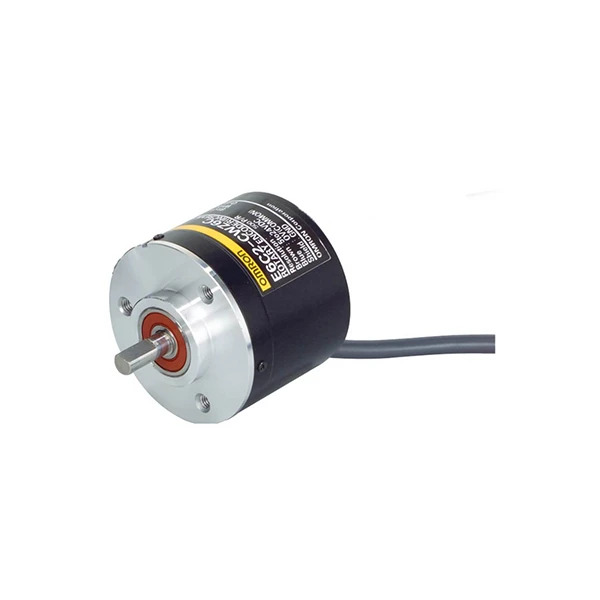
Another example is the Omron E6C2-CWZ5B 360P/R 2M, which is an encoder used in conjunction with Omron PLC systems. This encoder has a temperature range of -10°C to 60°C (14°F to 140°F), allowing it to operate in slightly more extreme temperature conditions compared to some other modules.
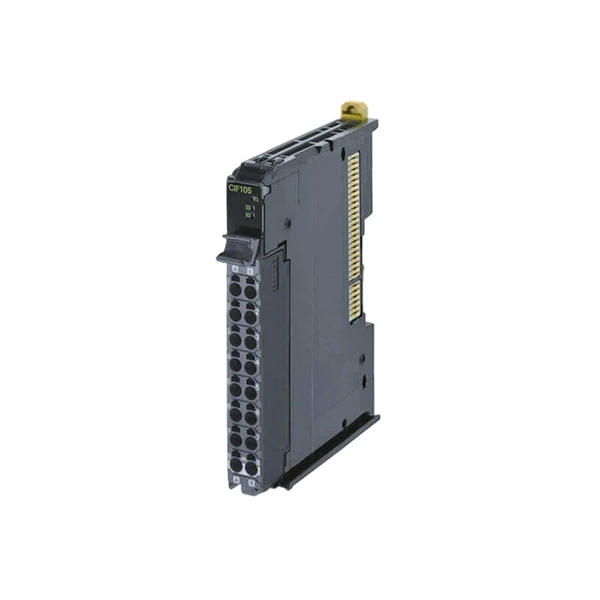
The NX-CIF105 Omron is a communication module that is designed to operate within a temperature range of 0°C to 55°C (32°F to 131°F). This module is used for network communication in Omron PLC systems, and its temperature range ensures stable communication performance in different industrial environments.
Factors Affecting Temperature Requirements
Several factors can affect the temperature requirements of Omron PLC modules. These factors include the type of application, the location of the installation, and the presence of other heat-generating equipment in the vicinity.
- Type of Application: Different applications may have different temperature requirements. For example, a PLC module used in a food processing plant may need to operate in a cooler environment to prevent spoilage of the food products. On the other hand, a PLC module used in a steel mill may need to withstand higher temperatures due to the extreme heat generated in the manufacturing process.
- Location of Installation: The location where the PLC module is installed can also affect its temperature requirements. If the module is installed in an enclosed cabinet or a room with poor ventilation, the temperature inside the cabinet or room may be higher than the ambient temperature. In such cases, additional cooling measures may be required to ensure that the module operates within its specified temperature range.
- Presence of Other Heat-Generating Equipment: The presence of other heat-generating equipment in the vicinity of the PLC module can also increase the temperature in the area. For example, if the PLC module is installed near a motor or a transformer, the heat generated by these equipment can affect the temperature of the module. In such cases, proper spacing and ventilation should be provided to prevent the module from overheating.
Maintaining a Suitable Operating Environment
To ensure that Omron PLC modules operate within their specified temperature range, it is important to maintain a suitable operating environment. Here are some tips on how to do this:
- Proper Ventilation: Ensure that the installation area has proper ventilation to allow for the dissipation of heat. This can be achieved by installing fans or vents in the cabinet or room where the module is installed.
- Temperature Monitoring: Use temperature sensors to monitor the temperature inside the cabinet or room where the module is installed. This will allow you to detect any temperature changes and take appropriate action if the temperature exceeds the specified range.
- Cooling Systems: In cases where the ambient temperature is high or the module is generating a lot of heat, additional cooling systems such as air conditioners or heat sinks may be required. These systems can help to maintain a suitable temperature for the module.
- Regular Maintenance: Regularly inspect and clean the module to ensure that it is free from dust and debris. Dust and debris can accumulate on the module and prevent proper heat dissipation, leading to overheating.
Conclusion
In conclusion, understanding the temperature range for Omron PLC modules to work properly is essential for ensuring their optimal performance and longevity. The general temperature range for most Omron PLC modules is between 0°C and 55°C (32°F and 131°F), but some specific models may have different temperature requirements. By maintaining a suitable operating environment and taking appropriate measures to control the temperature, you can ensure that your Omron PLC modules operate reliably and efficiently.
If you are interested in purchasing Omron PLC modules or have any questions about their temperature requirements, please feel free to contact us for further information and to discuss your specific needs. We are committed to providing high-quality products and excellent customer service to meet your industrial automation requirements.
References
- Omron Corporation. (2023). Omron PLC Module Product Manuals.
- Industrial Automation Handbook. (2023). Temperature Considerations for PLC Systems.


